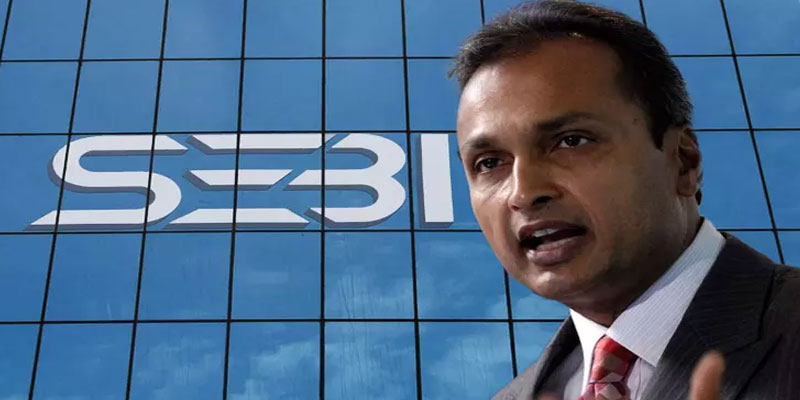
Regulator Refuses Settlement in ₹700 Million Fund Routing Case
The Securities and Exchange Board of India (SEBI) has rejected a settlement application filed by industrialist Anil Ambani in connection with the alleged routing of nearly $700 million through Reliance Infrastructure and related entities. The decision marks a significant development in one of the latest regulatory investigations involving the Reliance Group, indicating that the market regulator believes the allegations warrant a full enforcement process rather than a negotiated settlement. The move further intensifies scrutiny of the Anil Ambani-led business empire, which has faced multiple regulatory and financial challenges over the past several years.
Years of Regulatory and Financial Scrutiny
Anil Ambani's business group has witnessed sustained financial stress since the late 2010s, with mounting debt, insolvency proceedings across several companies, and investigations by multiple regulatory and enforcement agencies. Several group firms have undergone restructuring, while lenders and regulators have examined whether complex intra-group transactions were used to shift liabilities, support financially stressed entities, or obscure the ultimate use of corporate funds.
The present case builds upon earlier regulatory actions involving Reliance Home Finance and transactions linked to Yes Bank, where SEBI had raised concerns over promoter-related lending practices and possible violations of corporate governance norms. Against this backdrop, the Reliance Infrastructure matter is being viewed not as an isolated transaction but as part of a broader pattern of financial dealings that has attracted regulatory attention over the years.
Latest Developments: SEBI Rejects Settlement Route
According to SEBI, the alleged movement of approximately $700 million through Reliance Infrastructure and associated entities amounts to a potential misuse of company resources. The regulator reportedly believes the transactions formed part of a much larger flow of funds directed towards group-linked entities, making the issue significantly more serious than a routine accounting irregularity.
SEBI's rejection of the settlement application is particularly noteworthy because the settlement mechanism ordinarily allows market participants to resolve proceedings without admitting or denying wrongdoing. By refusing this option, the regulator has indicated that the matter requires detailed adjudication through enforcement proceedings owing to its potential implications for investor protection and market integrity.
The decision also reflects increasing coordination among Indian regulatory agencies. SEBI has reportedly taken note of parallel investigations by financial crime and fraud enforcement authorities, suggesting that the matter extends beyond securities market regulations into broader questions of financial governance and accountability.
Implications for Investors and Corporate Governance
The case carries wider significance for India's corporate sector. Allegations involving diversion or misuse of corporate funds can erode investor confidence, particularly in listed companies where governance standards are central to market valuation. The continued regulatory scrutiny also reinforces SEBI's increasingly assertive approach towards enforcing transparency, accountability, and fiduciary responsibility among promoters and company management.
Meanwhile, the Anil Ambani Group has categorically denied all allegations, maintaining that the matters are sub judice and will be contested through appropriate legal channels.
The Road Ahead for Anil Ambani
SEBI's decision represents another critical challenge for Anil Ambani as he seeks to rebuild both his business interests and public credibility. The outcome of the ongoing proceedings could have far-reaching implications, including financial penalties, regulatory restrictions, and reputational consequences if violations are established. Conversely, a successful legal defence could help counter years of adverse perceptions surrounding governance and financial management. Regardless of the eventual verdict, the case is likely to shape the future trajectory of Anil Ambani's business empire, with regulatory compliance, transparency, and investor confidence becoming decisive factors in any potential revival.
(With agency inputs)