A Chilling Night That Shook the Nation
On the cold night of January 21, 1999, a horrifying incident in the village of Manoharpur, Odisha, stunned India and drew global condemnation. Graham Staines, an Australian Christian missionary known for his work with leprosy patients, was burned alive along with his two sons, Philip (10) and Timothy (6), as they slept inside a station wagon parked outside a church. The assailants, armed with lathis and driven by religious animosity, allegedly led by Dara Singh, surrounded the vehicle, doused it with kerosene, and set it ablaze. When the victims attempted to escape the inferno, they were beaten back into the flames. Their charred remains were discovered the next day, sparking an international outcry over religious intolerance in India.
The attack, widely believed to be motivated by suspicions of religious conversion, cast a harsh spotlight on growing sectarian tensions and prompted calls for swift justice. It remains one of the most brutal and politically sensitive communal crimes in India's modern history.
The Incident and Legal Proceedings
A total of 14 individuals were charged in the case. The prime accused, Dara Singh (real name Rabindra Pal Singh), and his accomplice Mahendra Hembram, were arrested in 2000 and 1999, respectively. The Central Bureau of Investigation (CBI) took over the probe, and the trial was held in a specially designated court in Khurda.
During the trial, key evidence emerged against Dara Singh, including a statement by co-accused Dayanidhi Patra, who testified to witnessing Singh set fire to the Staines’ vehicle. In a surprising turn during the trial on February 1, 2002, Hembram reportedly broke down emotionally and claimed sole responsibility for the killings, asserting the innocence of others.
Despite this, the court, after detailed examination of testimonies and forensic evidence, sentenced Dara Singh to death and 12 others, including Hembram, to life imprisonment on September 22, 2003. However, the Orissa High Court in 2005 commuted Singh’s death sentence to life, a decision the Supreme Court later upheld, citing insufficient evidence to justify capital punishment. The apex court, while condemning the brutality, noted that it could not be conclusively proven that Singh intended to kill the children.
Hembram’s Incarceration and Release
Mahendra Hembram, then a resident of Manoharpur village, began his prison term in 1999 as an undertrial in Jharpada Jail, Bhubaneswar. Over the years, he was moved through multiple prisons across Odisha—including Cuttack, Berhampur, and Anandpur—before being lodged at Keonjhar Jail from 2011 onwards.
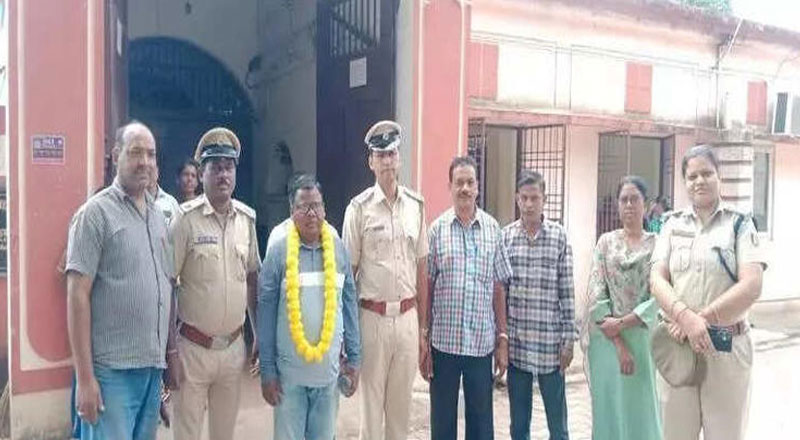
Now aged 50, Hembram was released on April 17, 2025, after serving 25 years, following a decision by the Odisha State Sentence Review Board. The release was granted on grounds of good conduct, as confirmed by jail officials. He was given a ceremonial farewell by the prison authorities, who handed him a bank passbook containing earnings from prison labor.
Outside the jail, Hembram maintained that he was “falsely implicated in an incident related to religious conversion” and expressed relief over his release. While some continue to view his conviction as justified by the court's ruling, others remain divided over the complexities of his confession and later retraction.
Justice, Forgiveness, and Lingering Questions
The release of Mahendra Hembram brings a significant chapter of the Graham Staines murder case to a close—though the emotional and societal scars remain. The brutal killing of a man devoted to humanitarian work and his innocent children continues to be remembered as a dark reminder of how intolerance can spiral into violence.
While India’s legal system followed due process—from investigation to trial, appeals, and now conditional release—it also reopens ethical questions about justice, remorse, and rehabilitation. Dara Singh, still serving his life sentence, has filed multiple mercy pleas, the latest in August 2024, now pending before the President of India.
As the nation reflects on the past, the case serves both as a somber memorial to the victims and a stark caution against communal hate. The legacy of Graham Staines lives on through the continued service of his widow, Gladys Staines, who chose to forgive and stay in India, advocating for peace and healing—a powerful message in a world still wrestling with the consequences of religious extremism.
(With inputs from agencies)