Power Vacuum in Tehran!
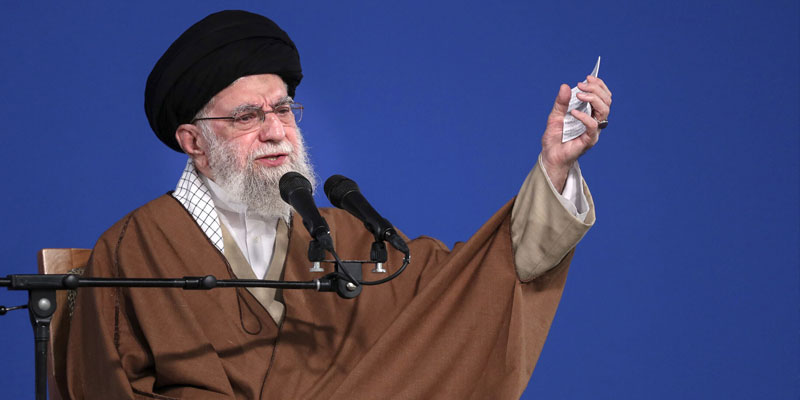
In a dramatic and deeply unsettling development, reports suggest that Mojtaba Khamenei—recently elevated to Iran’s highest office—may be unconscious and unable to make decisions. The claim, based on leaked intelligence assessments, has injected fresh uncertainty into an already volatile conflict environment, raising urgent questions about who is truly steering Iran’s political and military strategy at a critical moment.
A Leader Missing in Action: Health Crisis and Succession Shock
Mojtaba Khamenei assumed power following the death of his father, Ali Khamenei, in US-Israeli strikes earlier this year. Initially, reports suggested he had sustained manageable injuries. However, newer intelligence indicates a far more severe condition—possibly internal trauma or even a coma—leaving him incapacitated in the holy city of Qom.
Notably, there have been no public appearances or official visuals of the new Supreme Leader since his appointment. In a political system heavily centralized around a single authority figure, this absence has fueled speculation of a growing leadership vacuum and an unfolding succession crisis behind closed doors.
Who Holds Power? Rising Influence of Inner Circles
With the Supreme Leader reportedly unable to function, real power may have shifted to a tight inner circle. Senior commanders of the Islamic Revolutionary Guard Corps (IRGC), the Iranian president, and the Supreme National Security Council are believed to be making key decisions.
This diffusion of authority creates a dangerous dynamic. Competing factions may pursue divergent agendas, and hardliners could block diplomatic compromise to maintain ideological rigidity. Without a singular, decisive authority, Iran risks internal fragmentation at a time when unity is most critical.
Mounting External Pressure: US and Israel Escalate
The leadership uncertainty coincides with intense external pressure. The United States has demanded that Iran reopen the Strait of Hormuz, a vital artery for global oil trade, warning of potential strikes on major infrastructure if compliance is not achieved.
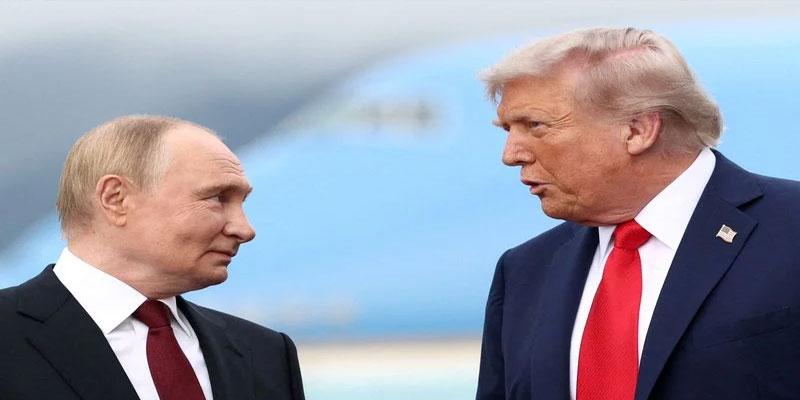
Donald Trump has reinforced this stance with stark rhetoric, warning that Iran would “pay a big price” and could be “taken out in one night.” Meanwhile, Israeli strikes have targeted key facilities and reportedly eliminated high-ranking IRGC intelligence figures, further weakening Iran’s operational capacity.
Together, these actions reflect a strategy of maximum pressure—military, economic, and psychological—aimed at forcing rapid concessions.
Diplomatic Efforts Stall Amid Strategic Divide
Despite internal turmoil, Iran has put forward a 10-point proposal through Pakistan, which is acting as a mediator. The plan calls for a permanent ceasefire, security guarantees, sanctions relief, and regulated access to the Strait of Hormuz.
However, the gap between Iran’s long-term demands and Washington’s immediate objectives remains vast. The absence of a fully functioning leader further complicates negotiations, as no single authority may be able to commit to or enforce a deal.
Strategic Risks of an Incapacitated Leader
An incapacitated Supreme Leader introduces profound strategic risks. For Iran, it may harden positions, as factions avoid appearing weak under pressure. For the US and Israel, it creates both opportunity and danger—while a disoriented adversary may seem vulnerable, fragmented responses could lead to unpredictable escalation across the region.
Without clear leadership, even minor provocations could spiral into broader conflict, particularly in volatile theaters like the Gulf or Lebanon.
Crisis Within a Crisis
The reported condition of Mojtaba Khamenei has transformed an already dangerous geopolitical standoff into a far more unpredictable crisis. At its core lies a fundamental problem: a state built around centralized authority now appears leaderless at a decisive moment. Until clarity emerges in Tehran’s power structure, the prospects for de-escalation remain dim, and the risk of miscalculation dangerously high.
(With agency inputs)