Speculation over renewed Iran-US diplomacy hit a wall after Tehran-based media dismissed reports of a high-level delegation traveling to Pakistan. Iran’s official stance, reinforced by Foreign Minister Abbas Araghchi and Parliament Speaker Mohammad Baqer Qalibaf remaining in Tehran, signals a pause in negotiations. At the heart of the impasse lies a critical disagreement: Iran insists any ceasefire must extend to Lebanon, while Israel categorically rejects such inclusion.
Core Dispute: Lebanon at the Center of Conflict
The breakdown in talks stems from fundamentally opposing priorities. Iran demands that the two-week US-Iran ceasefire framework—brokered via Pakistan—explicitly halt Israeli military operations in Lebanon. However, Israeli Prime Minister Benjamin Netanyahu has made it clear that Lebanon is outside the scope of the truce, emphasizing Israel’s intent to continue targeting Hezbollah.
This divergence reflects a broader strategic divide. For Tehran, Hezbollah is a key regional ally and deterrent force. For Israel, it represents a direct security threat that cannot be constrained by broader diplomatic arrangements.
Escalation on Ground: Strikes and Signals
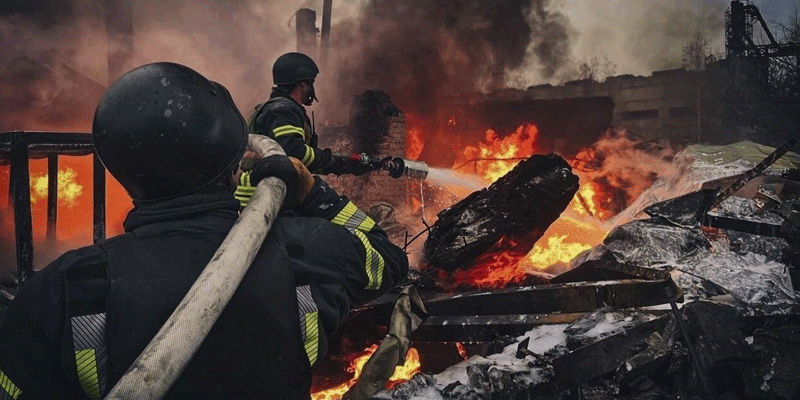
Tensions intensified further after Israel announced it had killed the nephew of Hezbollah leader Hassan Nasrallah during strikes in Beirut. This development adds a deeply personal dimension to the conflict, raising the likelihood of retaliatory action from Hezbollah.
Simultaneously, Israel has proposed direct negotiations with Lebanon, conditioned on Hezbollah’s disarmament. This proposal, however, is widely seen as unrealistic, given Hezbollah’s entrenched role in Lebanese politics and its backing from Iran. Rather than easing tensions, such conditions may further entrench positions on both sides.
Pakistan’s Role: Mediator Under Pressure
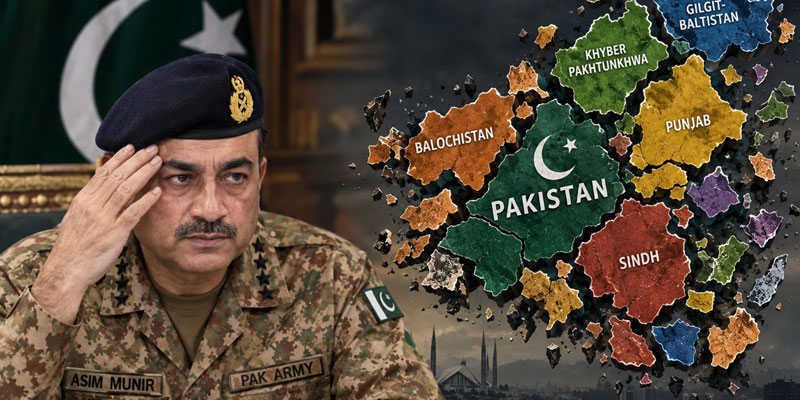
Pakistan, which played a key role in facilitating the initial ceasefire discussions, now finds its diplomatic efforts under strain. Despite Tehran’s denial of any delegation visit, Islamabad has heightened security across the capital, signaling readiness to host potential talks.
Led by Prime Minister Shehbaz Sharif, the government has fortified key routes and installations, reflecting both the importance and fragility of its mediator role. However, the current impasse risks undermining Pakistan’s credibility as a neutral facilitator, especially amid recent diplomatic tensions involving its leadership.
Ceasefire Framework Under Stress
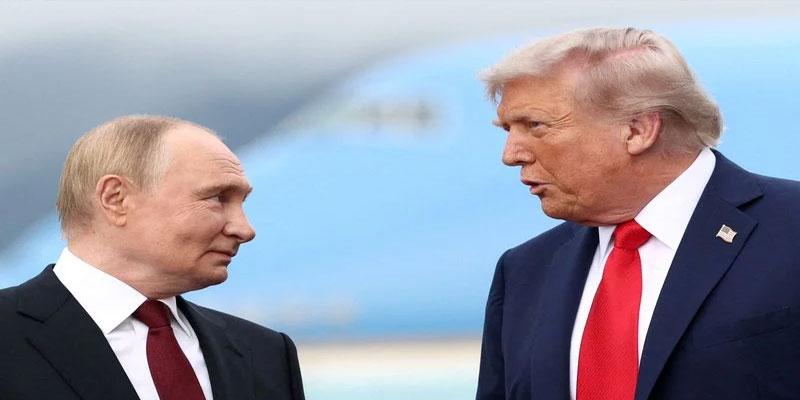
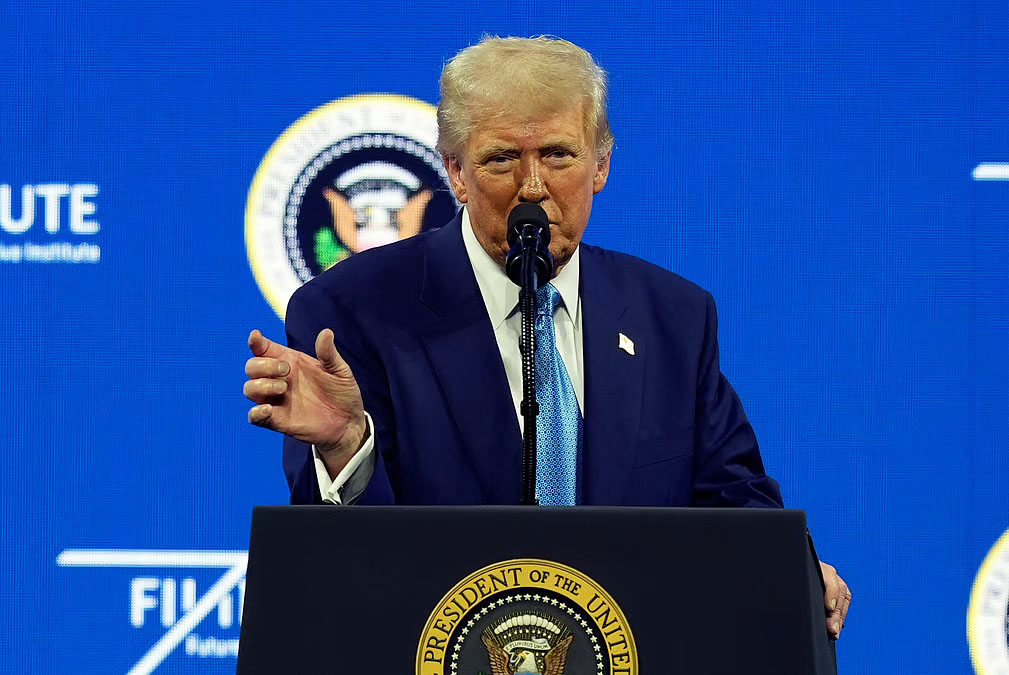
The ceasefire, announced earlier by Donald Trump, was designed to pause direct hostilities between the US and Iran and stabilize critical global trade routes like the Strait of Hormuz. Iran’s broader demands—including sanctions relief and recognition of its nuclear program—remain under negotiation.
Yet, Israel’s continued operations in Lebanon expose the limitations of the agreement. By excluding Hezbollah from the ceasefire framework, the truce appears increasingly fragmented, raising questions about its sustainability.
Strategic Calculations: Leverage and Risk
Iran’s decision to halt talks can be seen as a strategic move to pressure the US into restraining Israel. Meanwhile, Israel continues its offensive posture, aiming to weaken Hezbollah while maintaining diplomatic flexibility through its offer of talks with Lebanon.
For the US, balancing these competing interests is increasingly complex. Domestic pressures, energy market concerns, and regional alliances all factor into Washington’s approach. The longer the impasse persists, the greater the risk of miscalculation.
A Narrowing Diplomatic Window
The suspension of Iran-US talks highlights the intricate and interconnected nature of West Asian geopolitics. What began as a focused ceasefire effort has expanded into a broader confrontation involving multiple actors and unresolved conflicts.
Unless a compromise is reached—particularly on the Lebanon question—the current diplomatic framework risks collapse. As tensions rise and positions harden, the window for meaningful negotiation continues to shrink, leaving the region poised between fragile peace and renewed escalation.
(With agency inputs)