A Pillar of India’s Healthcare Legacy
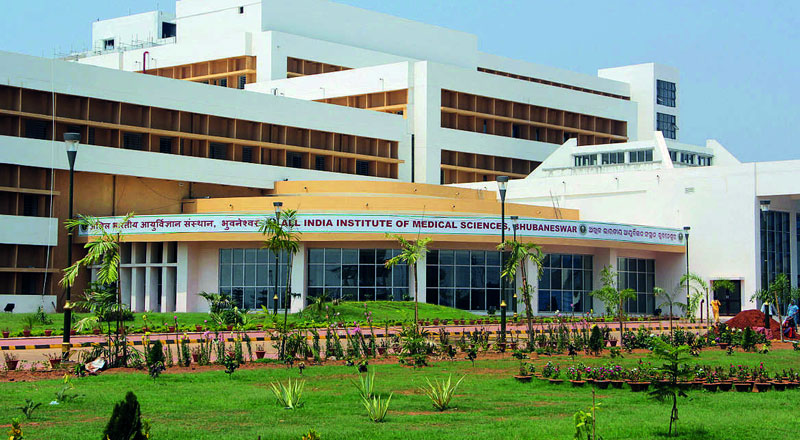
Established in 1956 through an Act of Parliament, the All-India Institute of Medical Sciences (AIIMS) Delhi was envisioned as the pinnacle of India’s medical education, research, and healthcare services. Funded and maintained by the central government, AIIMS was founded with the mission to serve as a model institution—delivering excellence in patient care while producing world-class doctors and advancing biomedical research.
Over the decades, AIIMS Delhi has lived up to that promise, often hailed as the "Harvard of Indian medicine" and consistently ranked as the top medical college and hospital in India. Its high patient load, advanced facilities, and academic prestige make it a sought-after destination for both aspiring doctors and patients in critical need.
However, recent revelations suggest that the institute is facing a severe faculty shortage, which may threaten its long-standing reputation.
Alarming Faculty Vacancies: One-Third Posts Remain Unfilled
According to a Right to Information (RTI) reply received in March 2025, AIIMS Delhi currently has 430 faculty posts vacant out of 1,235 sanctioned positions—a vacancy rate of nearly 35%. These positions include senior posts critical for education, patient care, and research.
What’s more alarming is the stagnation in regular recruitment over recent years. No full-time faculty hiring took place in 2020, 2023, 2024, or the first quarter of 2025.
In 2019, AIIMS advertised for 172 Assistant Professors, but only 110 joined. In the next major recruitment phase during 2021–2022, 270 positions were advertised (including some for the College of Nursing), but only 176 faculty members were eventually appointed.
This prolonged hiring gap, especially in a premier public institute like AIIMS, raises concerns about workload pressure, quality of instruction, mentorship, and long-term sustainability.
Operations and Funding: A Central Government Institution
AIIMS Delhi operates under the Ministry of Health and Family Welfare and is funded directly by the central government of India. It enjoys special autonomy and is empowered to offer degrees recognized by the Medical Council of India without needing university affiliation.
Its operations include:
- A massive hospital wing handling over 3 million outpatients and 200,000 inpatients annually.
- More than 42 super-specialty departments and advanced centers of excellence in fields such as neurology, oncology, cardiology, and transplant surgery.
- A teaching and research division responsible for training undergraduate (MBBS), postgraduate (MD/MS), and doctoral students.
- Active collaboration with international institutions and government agencies for medical innovation and policy development.
- Streamlining faculty recruitment through annual drives with clear timelines.
- Filling administrative bottlenecks that delay selection and onboarding.
- Offering competitive incentives and professional development opportunities to attract top talent.
- Enhancing autonomy for academic departments to make quicker hiring decisions.