India's Strategic Countermeasures: Cutting All Ties
In an unprecedented step, India imposed a blanket ban on all imports and goods in transit from Pakistan, invoking national security and public policy concerns. A formal notification issued by the Ministry of Commerce stated: “Direct or indirect import or transit of all goods originating in or exported from Pakistan, whether or not freely importable or otherwise permitted, shall be prohibited with immediate effect... Any exception shall require prior government approval.”
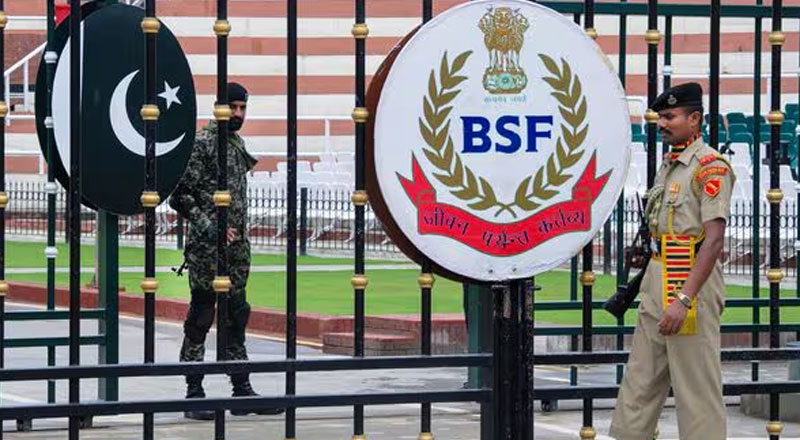
The decision effectively shuts down any legal commercial flow from Pakistan to India. Notably, the Wagah-Attari border crossing, the only functional trade route between the two countries, had already been closed in the wake of the attack.
While imports from Pakistan had already dwindled — accounting for less than 0.0001% of India’s total imports in 2024-25 — the symbolic and strategic weight of this decision is immense. Historically, major imports included fruits, oilseeds, and some pharmaceutical items, sectors now fully severed from Indian markets.
A Flashpoint in Kashmir: The Pahalgam Terror Attack
On April 22, a brutal terrorist attack in the picturesque Baisaran meadow near Pahalgam in Jammu and Kashmir left 26 civilians dead, including a Nepalese tourist and a local pony guide. This massacre sent shockwaves across India and the international community. As investigations unfolded, concrete links to Pakistan-based terror outfits began to surface, prompting a wave of national outrage and swift diplomatic retaliation from New Delhi.
The Pahalgam attack wasn’t an isolated incident. It followed a familiar pattern of targeted civilian violence in Jammu and Kashmir that India attributes to cross-border terrorism. With this attack, a tipping point seemed to have been reached in the already fragile relationship between India and Pakistan.
Beyond Trade: Diplomatic and Water Treaties in the Crosshairs
India’s response wasn’t limited to trade. It also took steps to suspend the Indus Waters Treaty, a vital water-sharing agreement established in 1960. By invoking provisions that allow for review under extraordinary circumstances, India signaled a readiness to divert or reduce water flow from the Indus River system into Pakistan — a move that could significantly affect agriculture and water supply for millions across the border.
In addition, all visas granted to Pakistani nationals — including medical and cultural visas — were revoked. Pakistani nationals residing in India were issued exit deadlines. Pakistan, in retaliation, threatened to scrap bilateral agreements, including the Simla Accord, further deepening diplomatic hostilities.
On the military front, tensions escalated at both the Line of Control and the International Border, with reports of provocative firing by Pakistani troops and heightened alertness on the Indian side.
A Calculated Shift: Why This Ban Matters
While the immediate economic impact of halting imports from Pakistan may be marginal, the move underscores a broader strategic shift in India’s approach to cross-border terror. By using diplomatic, economic, and water-based levers, India is reinforcing a zero-tolerance stance on terrorism. The ban also sends a strong message to domestic and international observers: India will not compartmentalize trade and terrorism when dealing with Pakistan.
This multifaceted retaliation is aligned with Home Minister Amit Shah’s long-standing assertion that “there will be no trade talks with Islamabad until terrorism is eradicated from Jammu and Kashmir.”
A New Phase in Indo-Pak Relations
India’s complete suspension of imports from Pakistan — alongside visa cancellations, treaty suspensions, and heightened military vigilance — marks a defining moment in South Asian geopolitics. The Pahalgam terror attack not only reignited old wounds but also catalyzed a series of decisive policy moves that reflect India's evolving doctrine on national security.
With both nations now teetering at the edge of diplomatic disengagement, the future of Indo-Pak relations hangs precariously. The message from India is unmistakable: normalcy will not return until terrorism ends — unequivocally and irreversibly.
(With agency inputs)