Nepal’s FM Seeks Thorough Probe After KIIT Nepali Student Found Dead in Room
The sudden death of an 18-year-old Nepali student at the Kalinga Institute of Industrial Technology (KIIT) in Bhubaneswar has prompted Nepal's government to demand a full investigation. The student, a computer science undergraduate from Birgunj, Nepal, was found hanging in her hostel room on Thursday evening. This is the second tragic incident involving a Nepali student at the institute in under three months, escalating concerns at the highest diplomatic levels.
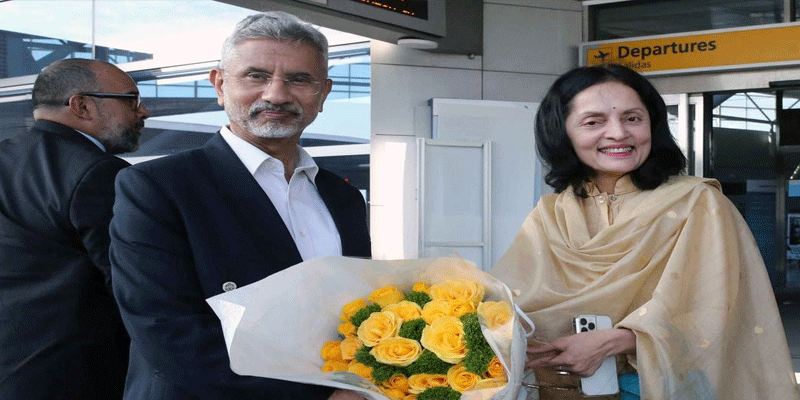
Nepal's Foreign Minister, Arzu Rana Deuba, publicly confirmed that discussions are ongoing with both Indian central authorities and the Odisha state government. “The incident has left us deeply saddened. We are coordinating closely to ensure a thorough and impartial probe,” Deuba said via social media platform X. Nepal’s Ambassador to India, Shankar P Sharma, echoed these sentiments, expressing grief and assuring that the mission is closely monitoring the developments.
Details of the Case: Tragedy Without Closure
According to police commissioner S. Dev Datta Singh, hostel authorities became concerned when the student did not respond during routine evening attendance. On inspection, she was found unresponsive, hanging from a ceiling fan. No suicide note was found. A case of unnatural death has been registered and investigations, including forensic examination and questioning of friends, are underway. The post-mortem report is awaited.
Odisha’s government responded swiftly. Senior officers, including the revenue divisional commissioner and the commissioner of police, visited the site. The state’s public relations department stated that all investigative teams, in coordination with KIIT authorities, are working to establish whether any external factors played a role.
A Recurring Nightmare: Echoes of a Previous Tragedy
This case has reawakened outrage and anxiety among Nepali students and the international academic community, particularly due to its eerie similarity to a recent case. Less than three months ago, another Nepali computer science student, aged 20, also died by suicide at KIIT. The earlier incident spiralled into a scandal after allegations of blackmail and racial harassment surfaced.
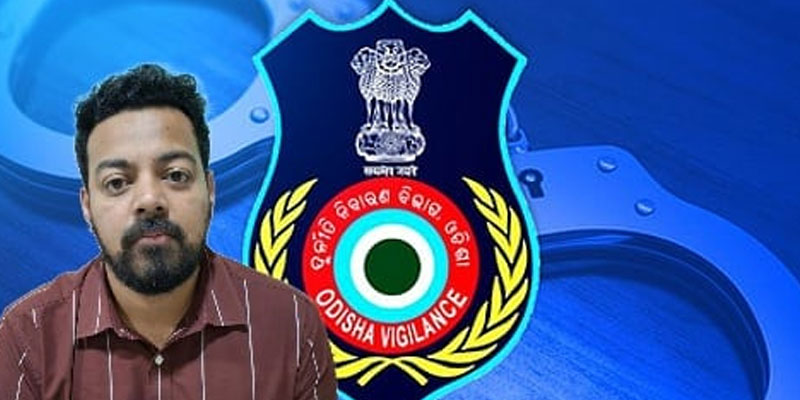
The primary suspect, a fellow student named Advik Shrivastava, was arrested while attempting to flee. The case exposed not just student misconduct but serious institutional failures. The university’s International Relations Office was accused of ignoring complaints of harassment, and the administration's controversial decision to evict over 1,000 Nepali students triggered widespread condemnation.
Intervention from India’s Ministry of External Affairs followed, leading to apologies from the institution. The National Human Rights Commission (NHRC) investigated the matter and concluded that the university’s inaction violated fundamental rights to dignity and equality, directly contributing to the student’s suicide.
A High-Profile Case: When Reputation Meets Responsibility
The fact that KIIT was founded by Dr. Achyuta Samanta, a high-profile educationist, philanthropist, and Member of Parliament, has added to the visibility—and scrutiny—surrounding the case. Samanta, who has built KIIT into one of India’s largest private universities, has prided himself on fostering inclusivity and international ties, especially with Nepal.
However, the repeated occurrence of such tragedies raises uncomfortable questions about systemic lapses in student welfare, particularly for international students. Critics argue that the university's public image has long been prioritized over genuine accountability and reform. While the administration has offered condolences and pledged cooperation, the pressure is now immense for it to move beyond damage control and implement structural safeguards.
A high-powered committee set up by the Odisha government to investigate allegations of misconduct, including the use of force against protesting students in February, is still to submit its report—a delay that adds to public skepticism.
A Crisis of Trust and Institutional Reflection
This second tragic loss of a young life within months at KIIT is not merely a statistic—it’s a distress signal from within the academic ecosystem that calls for urgent, uncompromising reform. The grief and diplomatic engagement from Nepal highlight the international consequences of institutional negligence.
For universities that aspire to global stature, student safety cannot be relegated to public relations management. It must be integrated into the operational core, from grievance redressal systems to mental health support. The real test of KIIT’s legacy—and Dr. Samanta’s vision—lies not in its infrastructure or rankings, but in its ability to protect the dignity, lives, and futures of those it claims to serve.
The death of another Nepali student should not be allowed to pass as just another unfortunate event. It is a call for introspection, accountability, and lasting reform—not just for KIIT, but for all institutions hosting vulnerable international communities.
(With inputs from agencies)