Washington Steps in Amid Fears of Escalation
In the aftermath of a deadly terror attack in Kashmir that left 26 Indian tourists dead, the United States has urged both India and Pakistan to avoid escalating tensions, while continuing diplomatic outreach at multiple levels. U.S. Secretary of State Marco Rubio is expected to speak with the foreign ministers of both countries, according to the State Department, amid rising cross-border hostility and a growing international spotlight on the crisis.
Speaking at a press briefing on Tuesday, a State Department spokesperson said the U.S. was “reaching out to both parties,” encouraging them to find a “responsible solution” to avoid further deterioration of already strained relations. While Washington has condemned the April 22 attack, it stopped short of criticizing Pakistan, which India accuses of backing the terrorists involved.
The Attack That Sparked the Crisis
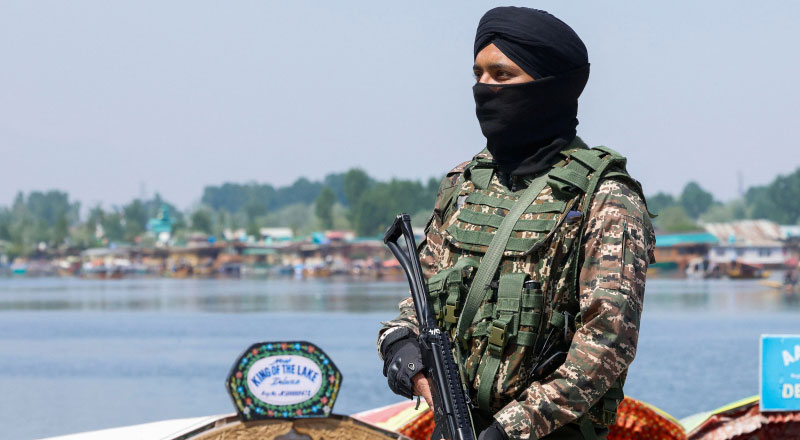
The flashpoint for the current diplomatic tension was the terror attack in Pahalgam, a scenic town in Indian-administered Kashmir, where 26 innocent tourists were killed by Islamist terrorists. The attack, among the deadliest in recent years, targeted buses carrying civilians and is believed to have been carried out by terrorists backed by Pakistani intelligence and military elements, according to Indian officials.
India’s Prime Minister Narendra Modi called the act a “cowardly attack on innocent lives”, vowing to track down and punish both the perpetrators and their backers. He authorized full operational freedom to the armed forces, sparking fears of a military retaliation. In response, Pakistan has denied any involvement and has instead called for a neutral international investigation, warning of "serious consequences" if India were to strike.
The fallout has already begun: India suspended the 1960 Indus Waters Treaty, a major diplomatic agreement, while Pakistan closed its airspace to Indian airlines. Skirmishes and cross-border firing have been reported along the Line of Control (LoC), marking a significant deterioration in bilateral ties.
A Delicate Balancing Act for the US
The United States finds itself in a tight diplomatic spot. While Washington has cultivated deepening strategic ties with India, particularly as a counterbalance to China’s growing influence in the Indo-Pacific, it still maintains longstanding relations with Pakistan, largely due to its geopolitical location and former cooperation during the U.S. war in Afghanistan.
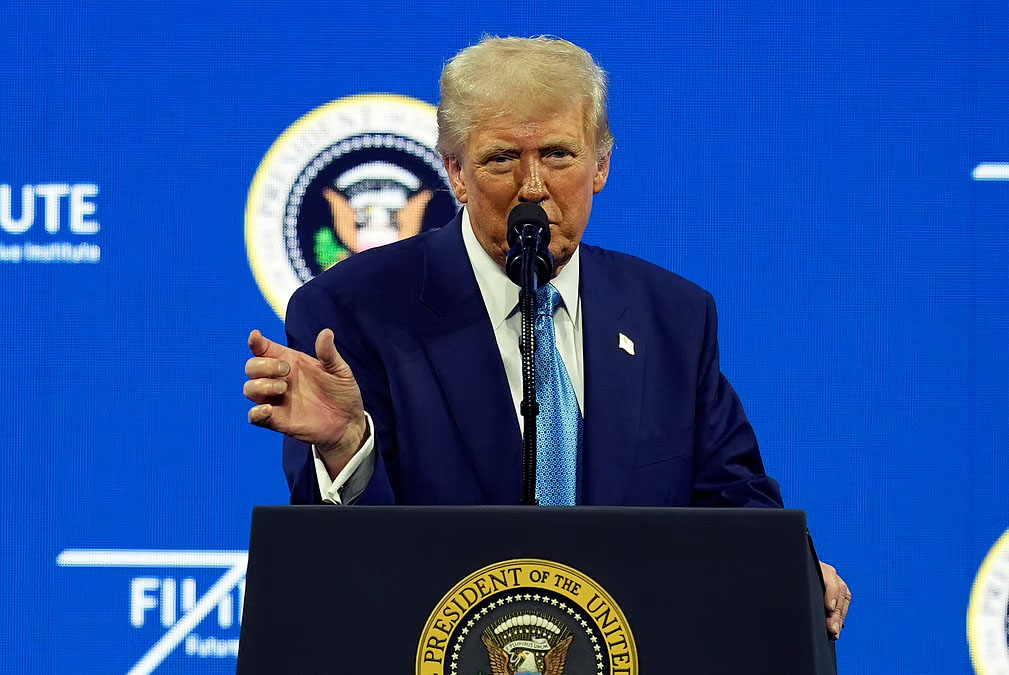
Rubio and other U.S. officials have expressed solidarity with India, with both President Trump and Vice President JD Vance condemning the terror attack. However, the U.S. has notably refrained from publicly attributing blame to Pakistan—a stance that has not gone unnoticed in New Delhi.
Further complicating matters is a recent admission by Pakistan’s Defence Minister Khawaja Asif, who told international media that Pakistan had carried out “dirty work” for the U.S. and the West for decades. When asked to respond, U.S. officials, including State Department spokesperson Tammy Bruce, offered no direct comment, choosing instead to emphasize ongoing diplomatic engagement.
Navigating the Road Ahead
As tensions flare between two nuclear-armed nations, the path forward requires careful diplomacy, accountability, and restraint. The international community—especially the U.S.—must encourage transparency, support multilateral investigations, and press for an end to state-sponsored terrorism in South Asia.
For India, the focus must be on strategic patience and international cooperation, ensuring justice for the victims without triggering a larger conflict. Pakistan, meanwhile, faces the task of demonstrating credibility—not just by denying involvement, but by taking visible steps to crack down on terror networks operating from its soil.
The U.S., by mediating without enabling either side, must balance its strategic partnerships with principled diplomacy. The world is watching—what unfolds next in South Asia will test not only regional stability, but the integrity of international crisis management in an increasingly volatile global order.
(With inputs from agencies)