An Emotional Return to Nvidia’s Leadership
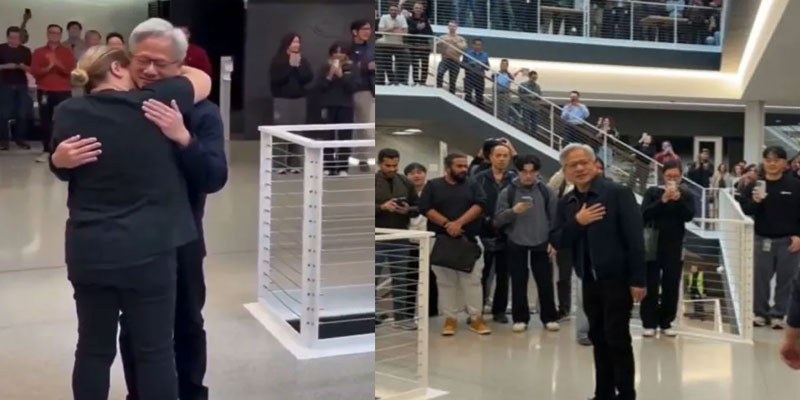
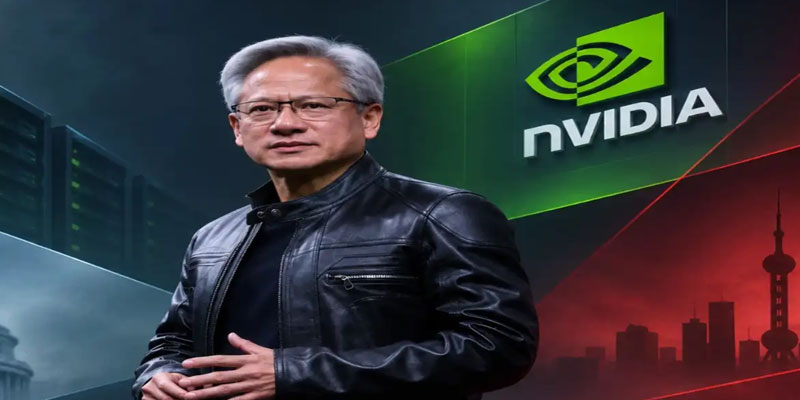
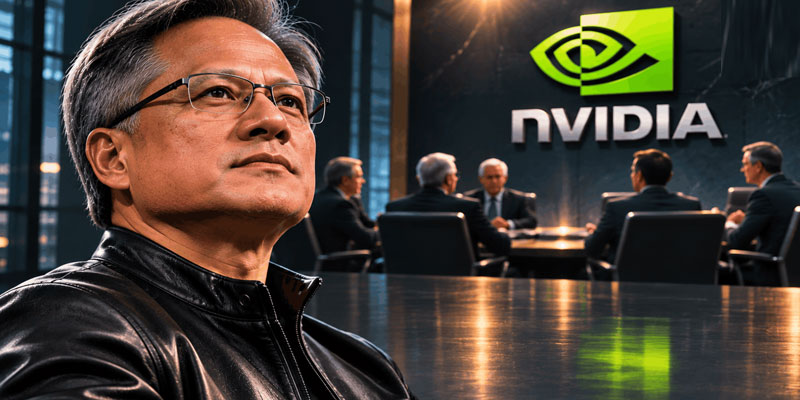
Jensen Huang’s return as Nvidia’s CEO has brought leadership continuity to the world’s most influential AI-chip company, but it has also placed his personal conduct, corporate governance and workplace culture under intense scrutiny. At his first all-hands meeting after reinstatement, Huang reportedly spoke candidly about his mistakes, apologised to employees and disclosed that he was undergoing therapy. His message was not simply about returning to the top; it was about rebuilding trust, accepting accountability and confronting the consequences of his actions.
A CEO’s Dramatic Return
Huang, Nvidia’s co-founder and long-time chief executive, resigned on November 12 following revelations about his personal conduct and alleged relationships. The company’s board initially declined to reinstate him, citing concerns about his behaviour and compliance with its code of conduct.
However, on November 23, the board reversed its decision and reinstated him after discussions and input from senior US government officials, who reportedly assessed that his return posed no national-security risk. The board said it was satisfied with his candour and leadership ability.
The Ten Key Messages from Huang’s First All-Hands
1. He admitted serious personal mistakes. Huang acknowledged being unfaithful to his wife, Lori, and hurting his family and colleagues.
2. He apologised to employees. He said, “I hurt all of you,” recognising the damage to trust.
3. He disclosed daily therapy. Huang revealed that he attends therapy for approximately 90 minutes each day to work on himself.
4. He described his hardest conversations. He called the employee meeting extremely difficult, but said his conversation with his wife was harder.
5. He accepted violating Nvidia’s code of conduct. Huang acknowledged that the rules he helped establish applied to him as well.
6. He defended the board’s decision. Rejecting claims of being above the law, he said the board independently assessed the facts before offering him a second chance.
7. He promised a safer workplace for women. Huang expressed regret if his conduct endangered that environment and pledged corrective action.
8. He acknowledged flaws in his management style. He admitted that his intense leadership could hurt, belittle or disempower employees, and promised to improve.
9. He addressed politics and Trump. Huang denied that the President alone secured his return, while acknowledging the administration’s support and insisting Nvidia must remain non-partisan.
10. He questioned conventional succession planning. Huang argued that Nvidia was designed to operate independently of any individual, though the company’s leadership continuity remains under scrutiny.
A Second Chance Must Earn Trust
Huang’s emotional address was an attempt to restore confidence after an extraordinary leadership crisis. His openness about therapy, family damage and management shortcomings may reassure employees, but words alone cannot settle questions about accountability.
Nvidia’s board has also announced stronger oversight of national-security and export-control risks, alongside a search for a chief compliance officer. Huang’s forthcoming congressional scrutiny will test whether the company can protect its global AI leadership while strengthening governance.
The real measure of his comeback will not be applause at an all-hands meeting, but sustained change in conduct, culture and accountability.
(With agency inputs)