A Dramatic Comeback at the Centre of AI Power
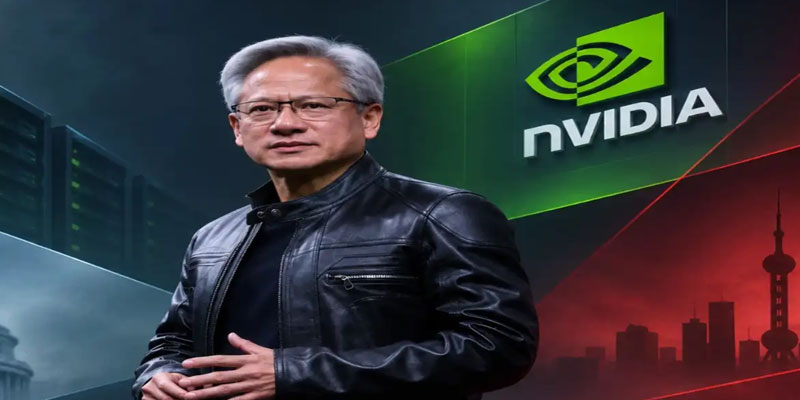
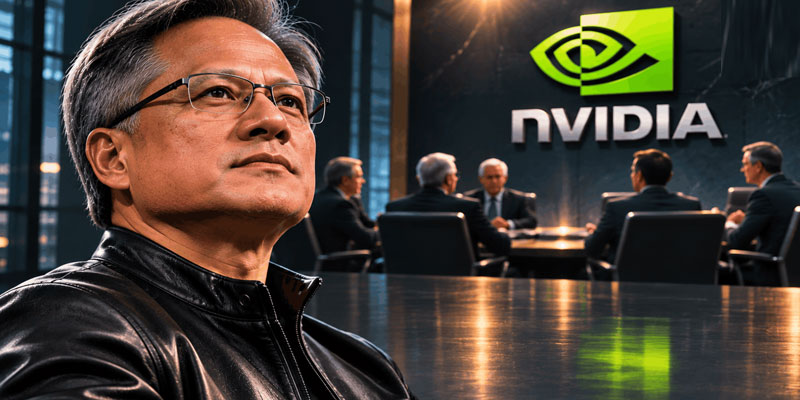
Nvidia has reinstated its co-founder Jensen Huang as president, chief executive officer and board director, bringing an abrupt end to an 11-day leadership crisis that shook the global technology industry. The unanimous board decision, announced on November 23, 2026, reverses its earlier position against his return. Huang's comeback follows strong support from employees, investors and industry leaders, alongside reported intervention by US President Donald Trump. However, the controversy surrounding his personal relationships and alleged Chinese intelligence connections remains unresolved, keeping questions of corporate governance and national security alive.
From a Semiconductor Startup to an AI Superpower
Founded in 1993 by Jensen Huang, Chris Malachowsky and Curtis Priem, Nvidia began as a semiconductor company focused on graphics processing technology. Its early success came from developing graphics processing units (GPUs) that transformed computer graphics, gaming and visual computing.
A major turning point came in 1999 with the introduction of the GPU. Nvidia subsequently expanded its technology beyond gaming into scientific computing, artificial intelligence, data centres and autonomous vehicles.
Its CUDA computing platform, introduced in 2006, enabled developers to use GPUs for general-purpose parallel computing. This laid the technological foundation for Nvidia's present dominance in AI infrastructure.
Today, its powerful GPU platforms are central to training and operating generative AI models, making Nvidia one of the most strategically important technology companies in the world. Huang, who has led the company since its inception, has become synonymous with its technological ambition and global expansion.
Eleven Days That Changed Nvidia's Leadership
Huang resigned on November 12 following reports of extramarital relationships, including an alleged relationship with Alice Huang, an executive associated with Singapore-based Megaspeed. US intelligence officials reportedly suspected her of connections to Chinese espionage, although these allegations have not been conclusively established.
The controversy raised concerns about executive transparency, potential foreign intelligence influence and the movement of advanced American AI chips to China.
Following his departure:
· Colette Kress, Nvidia's chief financial officer, assumed the interim CEO position.
· Harvey Jones became chairman of the board.
· On November 17, Jones publicly indicated that the board did not intend to reinstate Huang.
However, the situation changed dramatically within days.
Political Intervention and the Board's Dramatic Reversal
On November 23, Nvidia's board unanimously reinstated Huang following discussions about his leadership and transparency. Chairman Harvey Jones said directors were satisfied with Huang's candour and ability to lead the company.
The decision followed reported pressure from Trump and Vice President JD Vance. Trump publicly claimed credit for influencing the outcome, saying his intervention had been important. The administration also maintained that it had found no evidence of unlawful conduct by Huang.
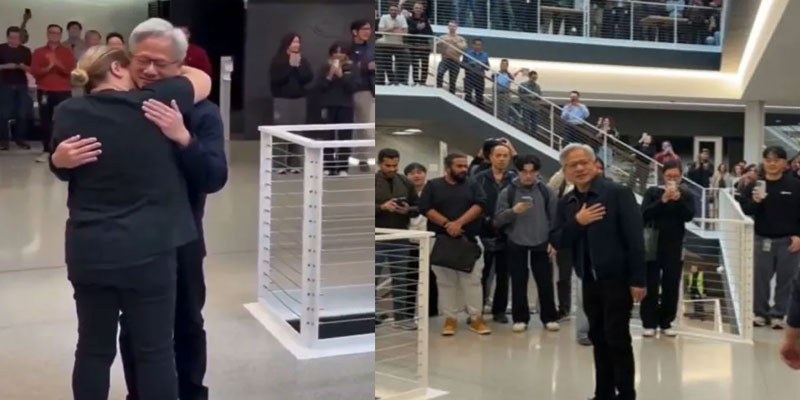
Huang returned to Nvidia's headquarters in Silicon Valley, where employees gathered in the atrium and gave him an enthusiastic, hero-like welcome. An employee video broadcast by CNBC captured the emotional reception. Huang told staff, "I am going to be a better CEO the second time around."
Nvidia shares surged more than 31% on November 23, closing at $165.05. The rally added substantial value to the company's market capitalisation and demonstrated investors' confidence in Huang's leadership. Colette Kress returned to her responsibilities as CFO, while Jones retained the chairmanship.
Alice Huang Controversy Keeps Investigations Alive
Despite the leadership resolution, the national-security controversy remains far from settled. US authorities are examining Alice Huang's alleged connections with Chinese intelligence and possible export-control violations involving Megaspeed, the Singapore-based company where she previously held an executive position.
Importantly, the US Justice Department has not established that Alice Huang was a Chinese intelligence operative. Investigations into Megaspeed's alleged role in the diversion of advanced Nvidia chips to China are continuing.
Nvidia has also established an independent board committee to investigate whether Jensen Huang was targeted by a foreign intelligence operation. A separate National Security and Export Control Committee will oversee compliance risks, while the company plans to appoint a chief compliance officer. Huang has agreed to cooperate with the investigation.
The Comeback Is Only the Beginning
Huang's reinstatement restores leadership continuity at a company central to America's AI ambitions. However, the episode exposes the delicate relationship between corporate accountability, national security and market confidence. His return may have reassured employees and investors, but it cannot automatically resolve questions surrounding executive transparency, foreign influence or technology exports.
The real test for Nvidia is no longer simply whether Jensen Huang can lead its AI revolution, but whether the company can protect its global leadership while demonstrating that no individual, however indispensable, stands above corporate governance and national security.
(With agency inputs)