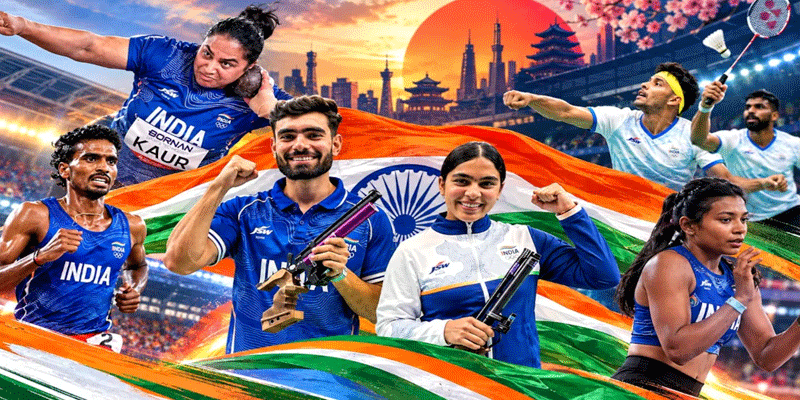
Asian Games through an Indian lens reveal a sporting journey that has moved well beyond participation and symbolism. The continental event has increasingly become a measure of competitive depth, high-performance preparation and India’s growing ambition to convert sporting investment into sustained international success.
From Participation to Continental Contender
The Asian Games have historically been a major platform for India in shooting, wrestling, athletics, hockey and kabaddi. In recent editions, however, disciplines such as cricket, archery and golf have broadened the country’s medal base.
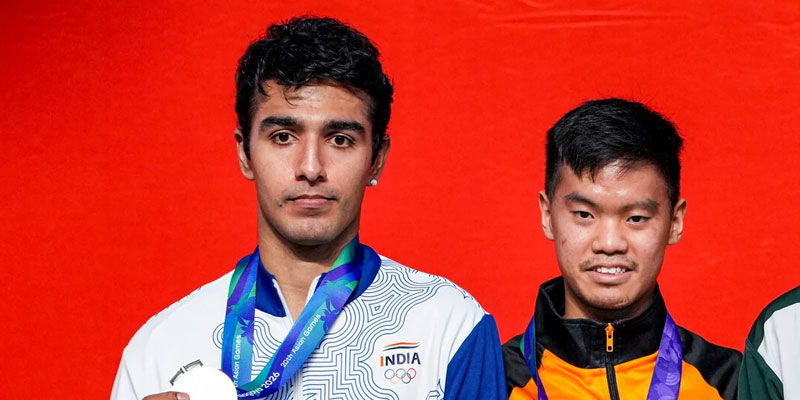
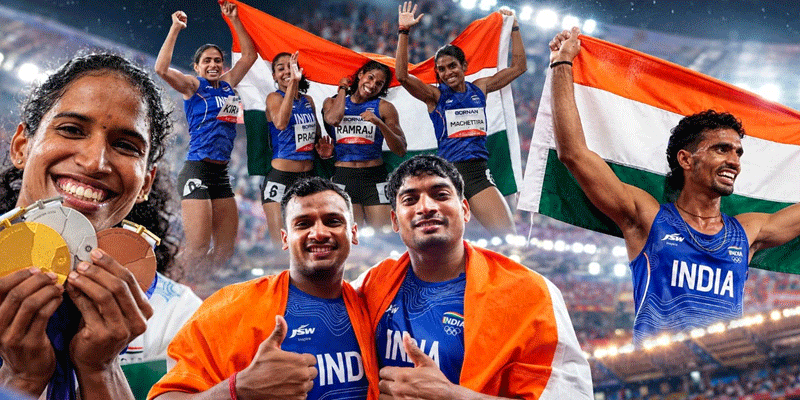
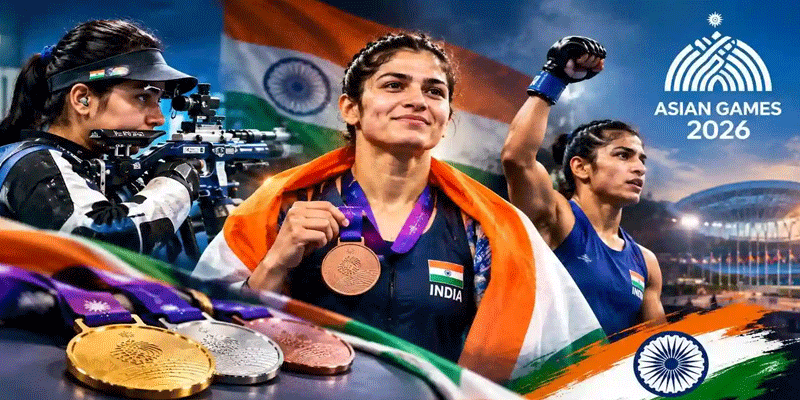
At Aichi-Nagoya 2026, India finished fourth with 85 medals — 21 gold, 27 silver and 37 bronze. The haul was the country’s second-highest medal tally in Asian Games history, reflecting greater consistency across disciplines and a deeper pool of competitive athletes.
The campaign also came after sustained investment in high-performance centres, international exposure, sports science and data-driven coaching. The results suggested that India's progress is increasingly being built on preparation and depth rather than isolated performances.
A Strong Gold Medal Push
India’s performance was particularly significant in team events, where success carries considerable competitive and psychological weight.
The country secured gold in:
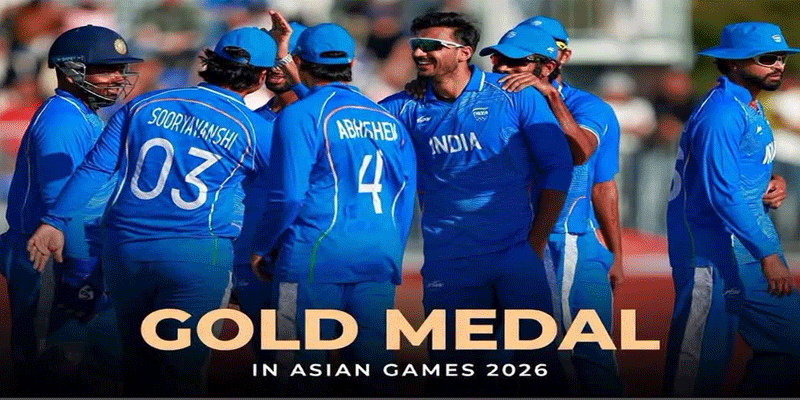
· Men’s cricket
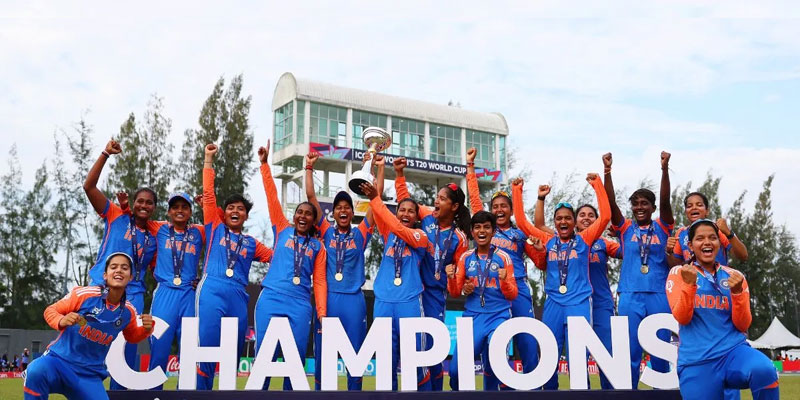
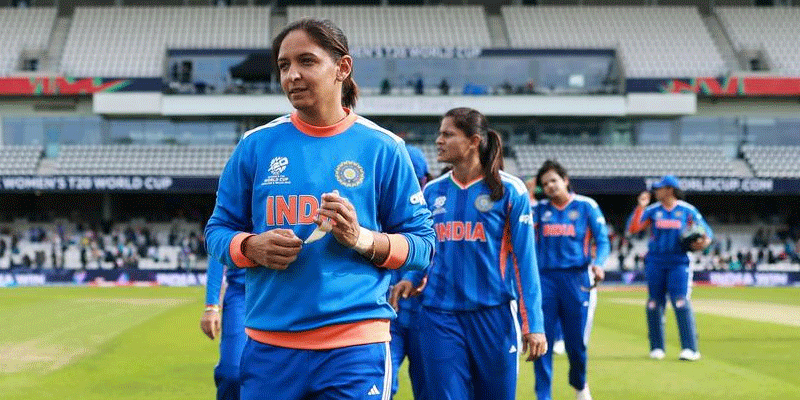
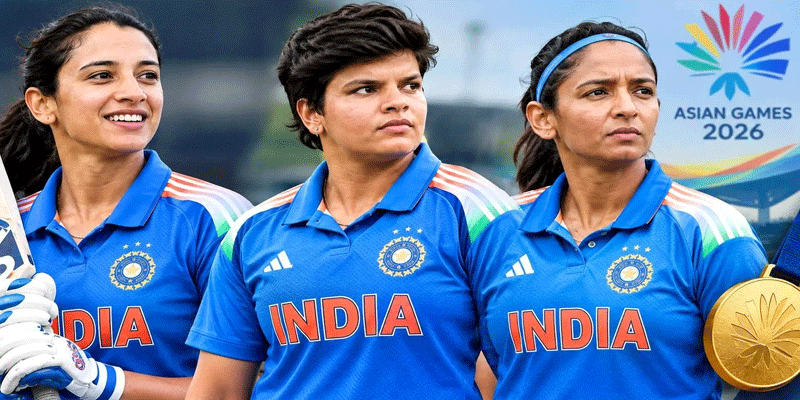
· Women’s cricket
· Men’s hockey
· Kabaddi
The combination underlined India's ability to perform under pressure in sports where Asian competition is particularly intense.
Cricket Adds Continental Glory
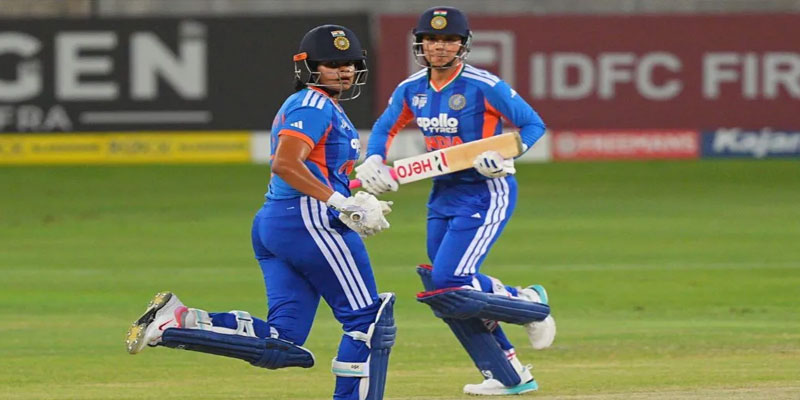
Cricket provided one of the defining moments of India's campaign. The men's team defeated Pakistan by 19 runs in the T20 final in Nagoya, scoring 211-6 before restricting Pakistan despite Hasan Nawaz's 96.
Abhishek Sharma's 61 and Tilak Varma's unbeaten 51 provided the foundation for India's total, while the victory delivered another high-profile gold against a traditional rival.
The women's team had already opened India's gold-medal account by defeating Sri Lanka by 147 runs in the women's T20 final. Together, the two victories demonstrated India's strength across both men's and women's cricket.
The cricket triumphs also formed part of a notable sweep in major team sports, with India winning gold in cricket, hockey and kabaddi.
What the 85-Medal Haul Means
India's 2026 campaign can be viewed through three broader indicators:
· Greater sporting depth: Medals came from a wider range of disciplines, reducing dependence on a handful of traditional strengths.
· High-performance systems: Overseas exposure, specialised training and data-led coaching increasingly form part of India's preparation for major competitions.
· Team-sport confidence: gold medals in cricket, hockey and kabaddi demonstrated India's ability to handle high-pressure continental contests.
A Platform for the Next Olympic Cycle
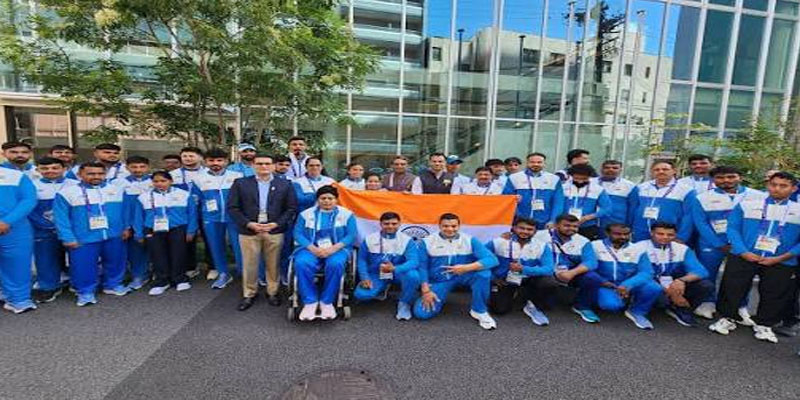
Prime Minister Narendra Modi congratulated the Indian contingent at the conclusion of the Games, praising the athletes for their determination, passion and sporting spirit. He also emphasised the inspirational value of their performances for grassroots sports.
The significance of Aichi-Nagoya therefore extends beyond the medal table. With 21 golds and 85 medals overall, India demonstrated that its sporting rise is becoming broader, deeper and increasingly systematic. The real test now is whether this momentum can be converted into sustained excellence at the Olympics and across future global championships.
(With agency inputs)