A Nation in Crisis
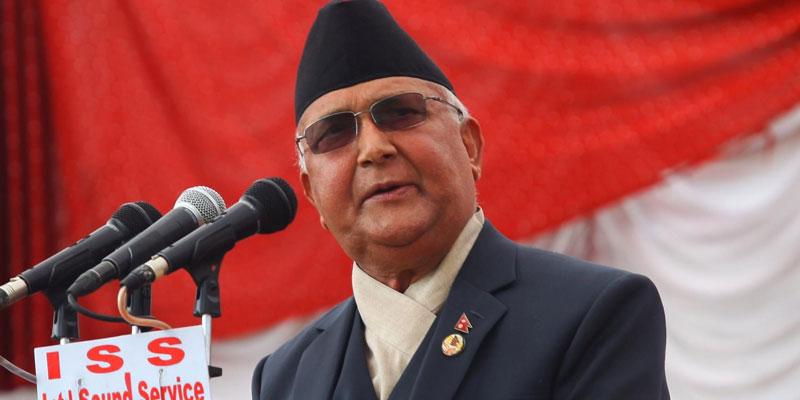
Nepal has plunged into its gravest political upheaval in years. Prime Minister K.P. Sharma Oli resigned abruptly after violent protests against his government’s controversial ban on social media platforms spiraled out of control. What began as youth-led demonstrations over digital freedom quickly transformed into a broader revolt against corruption, nepotism, and misgovernance.
The unrest has claimed at least 19 lives, with more than 300 people injured as police fired live rounds into crowds surrounding Parliament. Homes of top leaders, including that of President Ram Chandra Poudel and former prime minister Sher Bahadur Deuba, were attacked. Even a school owned by Deuba’s wife was set ablaze.
In this climate of anger and distrust, an unlikely voice emerged from Nepal’s past—the former monarch.
Former King Breaks Silence
In a rare statement, ex-King Gyanendra expressed grief over the deaths of young protesters and urged restraint. “It is tragic and condemnable that, instead of addressing the legitimate demands of the younger generation, lives were lost and many were injured,” his message read. He emphasized peace, good governance, and economic discipline while cautioning youth against allowing their movement to descend into violence or being exploited by “external elements.”
Though Gyanendra did not directly advocate political change, his remarks underscored how deeply the crisis has shaken Nepali society. For a country that abolished the monarchy in 2008 after mass protests, the former king’s words resonated with some citizens who feel betrayed by years of political instability and corruption.
Gen Z Uprising and State Response
What began as resistance to mandatory registration of social media platforms—the bill many called a tool of censorship—has widened into a “Gen Z uprising.” Young Nepalis, disillusioned with entrenched leaders, are demanding accountability and a voice in shaping the nation’s future.
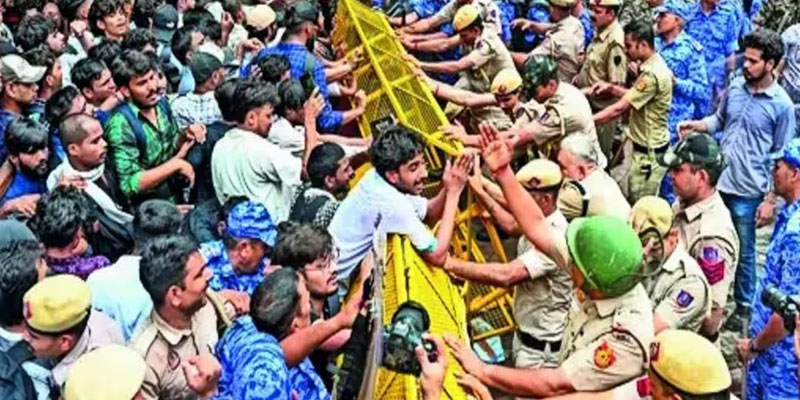
Despite an indefinite curfew, demonstrations continue in Kathmandu and across other cities. Witnesses report security forces using disproportionate force, with doctors confirming that many victims were shot in the head or chest. Protesters chant slogans such as: “Punish the murderers in government. Stop killing children.”
The state’s heavy-handed response has not quelled unrest but instead hardened the anger of an entire generation.
Parliament in Disarray
With Oli’s resignation, the spotlight now turns to Nepal’s fractured parliament. Lawmakers face the daunting task of preventing the crisis from deepening while also regaining public trust. Yet divisions among parties, coupled with the erosion of credibility among political elites, make consensus difficult.
The vacuum raises questions not just about the future government but also about the very foundations of Nepal’s republican system.
Could the Monarchy Return?
The former king’s statement has inevitably revived speculation about the monarchy. Dethroned in 2008, Gyanendra has mostly remained silent, rarely intervening in public discourse. His sudden expression of sympathy at this critical moment has fueled whispers: could this be part of a larger plan, or even a subtle push for restoration?
Some argue that the monarchy’s legacy of centralized authority and uneven governance makes its return unlikely. Others, however, note that deep disillusionment with the current political class creates space for nostalgia. For segments of the population weary of endless corruption scandals and weak coalitions, the image of a monarch—above politics—still holds appeal.
Whether this is organic sentiment or a deliberate effort by royalist networks to exploit the crisis remains unclear. But the fact that monarchy is being openly discussed again, after more than 15 years of republicanism, reveals the fragility of Nepal’s democratic experiment.
International and Regional Concerns
The turmoil in Nepal has also drawn international concern. With social media bans, political resignations, and deadly crackdowns, foreign governments are monitoring closely. Instability in Nepal risks spilling into economic and diplomatic ties across South Asia, particularly as the Himalayan nation sits between India and China, both keenly invested in its stability.
Diplomatic missions have called for restraint, accountability for violence, and inclusive dialogue to address citizens’ grievances.
A Crossroads for Nepal
Nepal today stands at a critical crossroads. The resignation of Oli signals the failure of one leadership approach, but the path forward remains uncertain. The youth-led protests have exposed a crisis of legitimacy among political leaders who have failed to deliver stability or integrity.
The speculation over the monarchy’s return reflects both a nostalgia for order and frustration with a system that has not met public expectations. But looking backward cannot solve today’s problems. Instead, Nepal must focus on rebuilding trust in democratic institutions, creating space for younger voices, and addressing corruption head-on.
If leaders fail to respond constructively, the unrest could mark not just a government’s downfall but a turning point for the entire republic. For now, Nepal’s challenge is clear: transform the anger of its youth into meaningful reform, or risk a cycle of turmoil that no king—or prime minister—can control.
(With agency inputs)