Russia pins Iran's mass protests on entrenched social and economic woes, largely driven by years of Western sanctions. The Foreign Ministry highlighted "hostile external forces" capitalising on the turmoil to destabilise the Iranian regime.
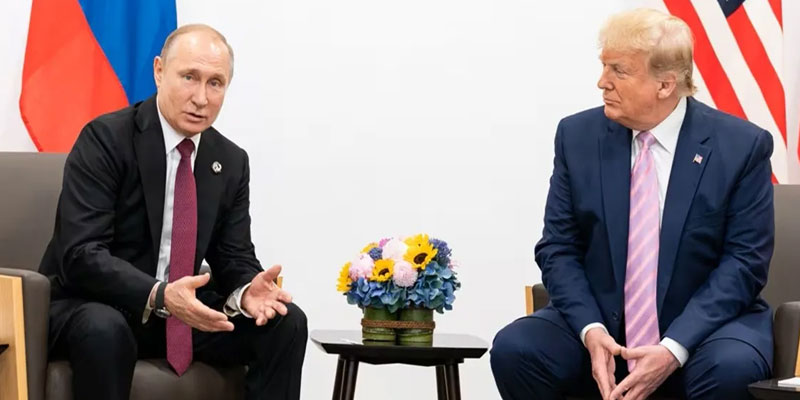
Russia's Foreign Ministry issued a sharp condemnation of US threats to launch military strikes on Iran, labeling them "categorically unacceptable" and warning of severe repercussions for regional and global stability. The statement, released on Tuesday, highlighted concerns over destabilizing actions amid ongoing protests in Iran, where a reported crackdown has led to thousands of deaths. Moscow also accused the West of exacerbating Iran's social woes through sanctions and external meddling.
Moscow's stark warning on US threats
The Russian Foreign Ministry declared that any US military action against Iran would trigger "disastrous consequences" across the Middle East and beyond. Officials decried the threats as provocative, especially given Tehran's internal challenges. They further criticized "brazen attempts" by the US to pressure Iran's trade partners through heightened tariffs, framing it as economic blackmail aimed at isolating the Islamic Republic.
Context of Iranian protests and casualties
Russia attributed Iran's widespread protests to deep-seated social and economic hardships, primarily fueled by prolonged Western sanctions. The ministry pointed to "hostile external forces" exploiting this unrest to undermine the Iranian state, alleging the involvement of "specially trained and armed provocateurs" directed from abroad to incite violence. Activists from the US-based Human Rights Activists News Agency (HRANA) reported a staggering death toll of at least 2,571 as of early Wednesday, including 2,403 protesters, 147 government affiliates, 12 children, and nine uninvolved civilians, with over 18,100 detentions.
Challenges in verification and historical parallels
With Iran's internet blackout severely hampering information flow, independent assessments remain elusive; the Associated Press noted difficulties in corroborating figures, while Tehran has provided no official tally. This toll surpasses casualties from any major unrest in Iran over decades, evoking memories of the 1979 Islamic Revolution's turmoil. Moscow expressed hope for gradual stabilization and urged Russian nationals in Iran to steer clear of crowded areas.
Broader geopolitical tensions
Russia's intervention underscores deepening Moscow-Tehran ties, positioning itself as a counterweight to US influence in the region. By linking US threats to protest exploitation, the statement portrays Washington as a destabilising force, amid accusations of orchestrated chaos. The remarks signal Russia's intent to shield Iran from external pressures, potentially escalating diplomatic friction as protests persist.