A New Chapter in the US–China Tech Contest
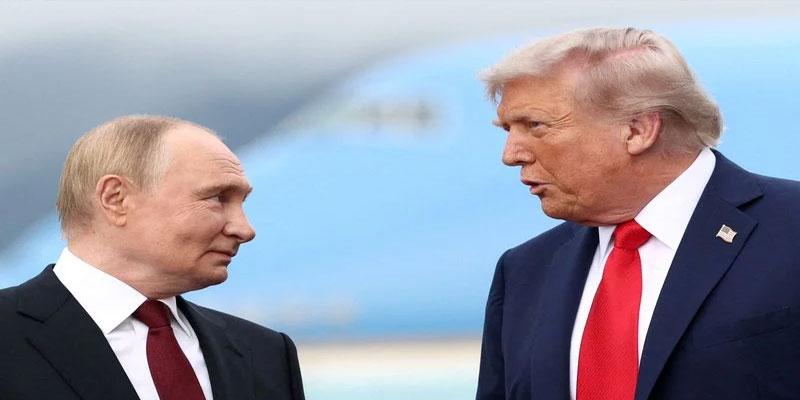
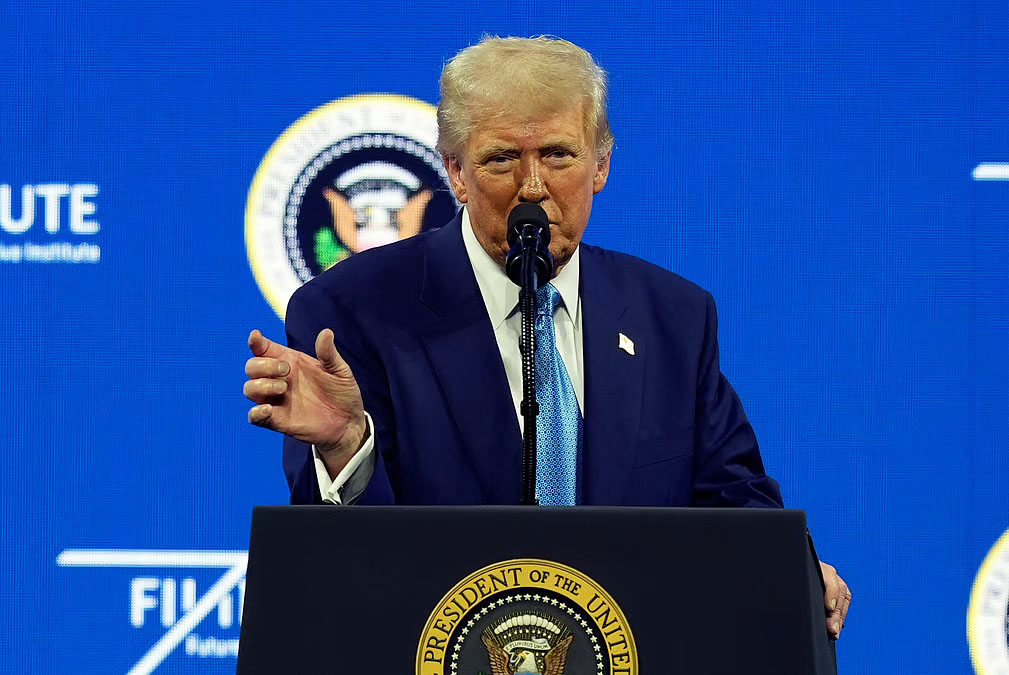
In a dramatic shift that has reverberated through global technology and security circles, Donald Trump announced that the United States will once again permit the export of Nvidia’s high-performance H200 AI processors to China. Framed as a controlled reopening under strict licensing and revenue-sharing terms, the decision reopens a lucrative yet politically fraught market. It also revives an intense debate in Washington: Is the US trading strategic leverage for short-term financial gains, or steering a pragmatic course that balances economic advantage with technological dominance?
From Strict Controls to Conditional Access
The H200, one of Nvidia’s most advanced AI chips before the Blackwell generation, was previously barred from China under Biden-era export controls designed to restrict Beijing’s access to cutting-edge compute. Those rules emerged from fears that China’s military, cyber units, and state-linked enterprises would use such hardware to supercharge AI-driven intelligence, surveillance, and weapons systems.
Trump’s reversal sidesteps those earlier prohibitions. Under the new framework, Nvidia can ship the H200 to “approved” Chinese customers, with Washington claiming the licensing conditions preserve national security. The administration also imposed a 25% government take on Chinese sales—a steep levy that Trump argues ensures the US retains substantial economic benefit even as exports resume.
Economic Stakes: A Strategic Opening for US Chipmakers
Allowing H200 shipments to China immediately boosts the commercial outlook for American semiconductor firms. China remains one of the world’s largest buyers of AI accelerators, representing an addressable market currently estimated at roughly $50 billion and projected to quadruple within the decade.
For Nvidia, regaining access means restoring a high-margin revenue stream and reducing dependence on China-specific “downgraded” chips that were costly to design and less profitable to sell. AMD and Intel—expected to secure parallel export arrangements—stand to benefit from similar tailwinds, potentially revitalizing their data-center businesses and upstream suppliers.
The 25% levy could also create a steady fiscal channel into the US treasury. Should Chinese demand expand, this quasi-royalty may become a material revenue source while supporting domestic R&D and advanced manufacturing.
China’s Upside: A Faster AI Trajectory
On the Chinese side, the return of H200-class hardware alleviates one of Beijing’s largest bottlenecks: access to frontier compute. The H200 is multiple times more capable than the previously permissible H20, meaning Chinese cloud companies, AI labs, and industrial platforms can accelerate model training, deployment, and commercialization. This could boost productivity across finance, logistics, retail, and automation, while complicating Washington’s effort to slow China’s ascent in global AI markets.
A Calculated Gamble with Long Shadows
Trump’s decision is less a capitulation and more a deliberate gamble—one that monetizes US technological leadership while betting that America’s rapid innovation cycle will keep it ahead even if China gains improved access today. The economic upside is clear: higher revenues for chipmakers, new fiscal streams for Washington, and reintegration into a massive market. Yet the security risks are equally stark. Greater compute access may accelerate China’s AI capabilities in ways that erode US strategic advantages.
Whether this policy becomes a masterstroke of controlled engagement or a miscalculation with long-term consequences will depend on enforcement, innovation speed, and the evolving US–China rivalry.
(With agency inputs)