Bhubaneswar Metro scrapped or just on hold? The question is fueling political outrage in Odisha after the state government’s abrupt decision to halt the ambitious project citing financial unviability. What began as a development initiative has now turned into a contentious political flashpoint, with accusations of a policy U-turn dominating the debate.
Project Origins: A Vision for Urban Transformation
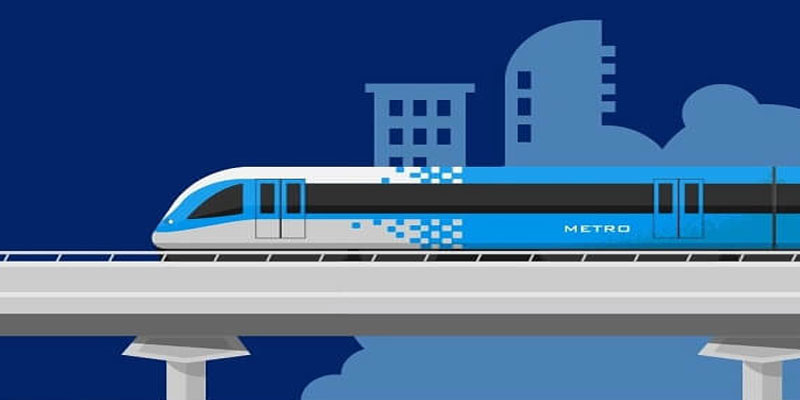
The Bhubaneswar Metro project was conceived during the tenure of Naveen Patnaik under the BJD government in 2018. Envisioned as a 31.4 km elevated corridor connecting Bhubaneswar to Cuttack, the project aimed to ease congestion in one of eastern India’s fastest-growing urban corridors.
Approved by the Centre in 2022 at an estimated cost of ₹12,293 crore, the project was to be implemented with consultancy support from Delhi Metro Rail Corporation. Early groundwork had already begun, including land acquisition for depots and tendering processes in 2024. With a projected daily ridership of over 3 lakh commuters, the metro was seen as a long-term solution to rising traffic and urban sprawl.
Why the Government Hit the Brakes
On April 6, the Odisha cabinet led by Mohan Charan Majhi decided to cancel the MoU with DMRC, effectively halting the project. The government cited findings from an inter-ministerial review that questioned the project’s viability.
Key concerns included lower-than-required ridership projections, non-compliance with the National Metro Policy 2017, and the high financial burden. Officials argued that proceeding with the project could result in long-term losses, prompting a shift toward alternative mobility solutions such as elevated bus systems, water transport, and a Comprehensive Mobility Plan (CMP).
U-Turn Allegations and Political Fallout
The decision has triggered sharp reactions across the political spectrum. Critics have accused the ruling Bharatiya Janata Party of reneging on its pre-election promise to fast-track the metro project.
Even within the BJP, voices of dissent have emerged. MP Aparajita Sarangi publicly urged reconsideration, calling the metro essential for Bhubaneswar’s growth. Meanwhile, opposition leaders, including Naveen Patnaik, have labeled the move a “betrayal” of public trust.
Adding to the confusion, Housing Minister Krushna Chandra Mahapatra later clarified that the project had not been scrapped but merely “put on hold” pending further review—an explanation that has done little to quell the backlash.
The Core Debate: Vision vs Viability
At the heart of the controversy lies a fundamental policy dilemma: should long-term urban infrastructure projects be pursued despite high initial costs, or should governments prioritize financially safer alternatives?
Supporters of the metro argue that it is a transformative investment necessary for a rapidly urbanizing city with a population exceeding 2 million. Critics of the government’s decision also point to sunk costs exceeding ₹200 crore and the risk of stalled development.
On the other hand, the state government maintains that fiscal prudence is essential and that alternative systems could deliver similar benefits at a lower cost. The ongoing CMP is expected to provide a clearer roadmap.
What Lies Ahead
The project’s “on hold” status leaves room for potential revival, possibly in a revised format such as shorter routes or public-private partnerships. However, any future progress will require coordination with the central government and renewed financial planning.
A Defining Test for Governance
The Bhubaneswar Metro controversy underscores the complex interplay between political commitments, economic realities, and urban aspirations. While the government’s caution reflects fiscal concerns, the backlash highlights public demand for long-term infrastructure solutions.
Ultimately, the path forward will depend on whether policymakers can strike a balance between ambition and practicality. The decision will not only shape Bhubaneswar’s urban future but also influence political credibility in a state navigating rapid growth and rising expectations.
(With agency inputs)