Battling Delhi’s Choking Air
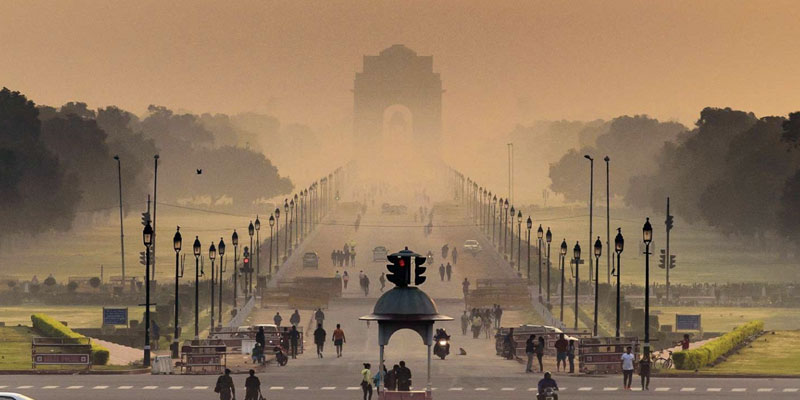
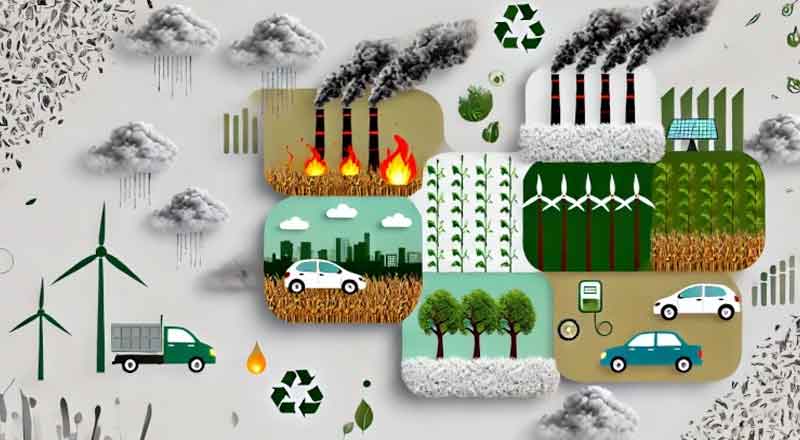
Delhi-NCR is in the throes of a severe air pollution crisis, with the Air Quality Index (AQI) hovering near “severe plus” levels. On November 18, 2024, the AQI touched a staggering 494, leaving the capital enveloped in smog and posing grave health risks to its residents. This environmental emergency isn’t new to Delhi, where annual spikes in pollution during winter have become a predictable nightmare. Despite the implementation of emergency measures under the Graded Response Action Plan (GRAP), sustainable improvements remain elusive. Addressing Delhi’s air quality woes demands a comprehensive and long-term strategy. A 2016 report by IIT Kanpur outlined nine critical steps that, if implemented effectively, could lead to transformative change.
Understanding the Sources of Pollution
Escalating Pollutants
According to the Central Pollution Control Board (CPCB), the concentration of fine particulate matter (PM2.5) was 20 times above the World Health Organization's (WHO) safety threshold, while PM10 levels exceeded limits by 12 times. These pollutants, primarily from vehicular emissions, industrial activities, construction, and biomass burning, worsen during winter due to temperature inversions that trap pollutants closer to the ground.
Temporary Measures Under GRAP
Stage IV of GRAP, activated in response to the crisis, bans truck entry into Delhi, halts construction activities, and restricts the use of certain vehicles. While these measures help reduce peak pollution levels, they are not enough to tackle the root causes of Delhi’s persistent air quality issues.
Nine Measures to Combat Pollution
- Ban Coal Use in Hotels and Restaurants
- Ensure Access to LPG for All Households
- Stop Burning Municipal Solid Waste (MSW)
- Cover Construction Materials
- Control Dust from Concrete Batching
- Promote Electric and BS-VI Vehicles
- Install De-SOx-ing and De-NOx-ing Systems
- Eliminate Biomass Burning
- Address Fly Ash Pollution