A Major Opportunity in Britain’s Food Market
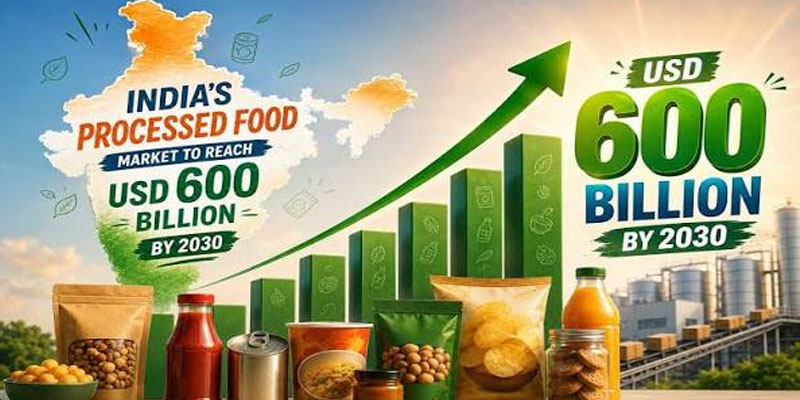
India has significant scope to expand processed food exports to the United Kingdom under the newly implemented trade pact, according to the Trade Promotion Council of India (TPCI). Despite Britain importing processed food worth $50.68 billion annually, India accounts for just $309.5 million, representing approximately 0.6% of the market. The removal of major tariff barriers offers Indian exporters an opportunity to expand their presence in one of the world's high-value consumer markets.
Unlocking Bilateral Trade Potential
India and the United Kingdom implemented their Comprehensive Economic and Trade Agreement (CETA) on July 15, 2026, to strengthen trade and investment ties. The agreement provides tariff-free access for 99% of Indian export lines, creating opportunities across multiple sectors.
India exported processed food worth $14.07 billion globally, yet its relatively small share of British imports highlights considerable room for expansion. The challenge now is to translate improved market access into sustained export growth.
Tariff Relief Changes the Equation
Under CETA, UK tariffs of up to 70% on processed foods have been eliminated. Duties ranging from 4.2% to 8.5% on shrimp and tariffs on instant coffee have also been removed, improving the price competitiveness of Indian products.
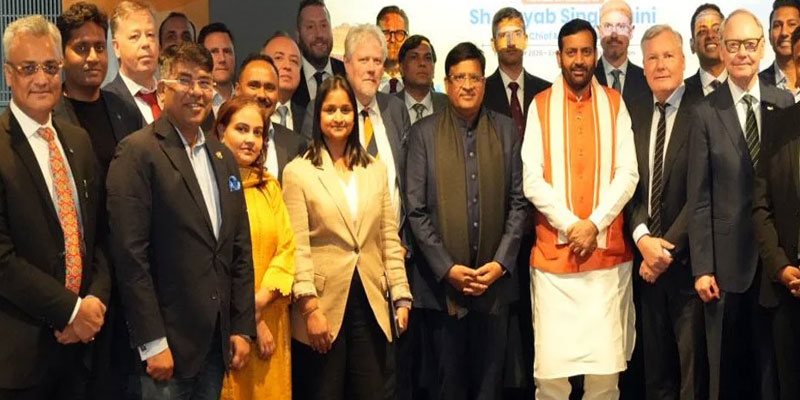
To help businesses capitalise on these benefits, TPCI has signed a memorandum of understanding with the UK-India Business Council (UKIBC). The partnership aims to connect exporters with buyers, organise trade missions, share market intelligence and support small and medium enterprises (SMEs) seeking entry into the British market.
What Everyone Needs to Know
Several industries stand to benefit from the agreement:
· Processed food manufacturers: Lower tariffs can improve pricing and create opportunities for packaged foods, ready-to-eat products, spices and other value-added products.
· Marine exporters: Duty elimination on shrimp could strengthen India's competitiveness, subject to regulatory compliance and market conditions.
· Coffee producers: Tariff-free access for instant coffee offers scope to expand sales and build stronger distribution networks.
· SMEs and farmers: Higher export demand could encourage investment in processing, packaging, storage and agricultural supply chains.
· UK consumers: Greater access to Indian products could widen choices and potentially improve price competitiveness.
However, tariff concessions alone will not guarantee success. Exporters must comply with British food-safety regulations, labelling requirements, traceability standards and packaging rules. Consistent quality, reliable cold-chain logistics, sustainable sourcing and effective branding will remain essential to competing with established international suppliers.
Turning Tariff Advantages into Lasting Export Growth
The India-UK trade pact creates a valuable opening for Indian food businesses to strengthen their international presence. Even a modest increase in India's current 0.6% share of Britain's processed-food imports could generate substantial additional export revenue, benefiting manufacturers, farmers and logistics providers.
The real test lies in execution. By combining tariff advantages with regulatory compliance, market intelligence and dependable supply chains, India can transform its untapped potential into measurable commercial gains. Processed food could emerge as an important early success of the trade agreement, provided Indian exporters convert improved access into lasting competitiveness.
(With agency inputs)