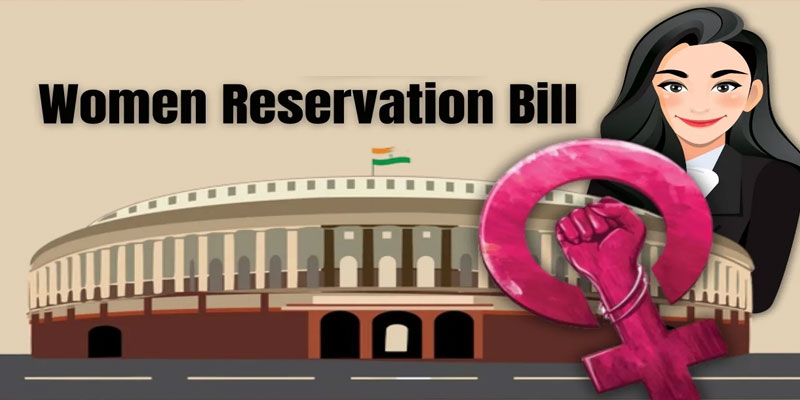
The proposed Delimitation Bill has triggered a fresh political debate ahead of Parliament’s special sitting, with the YSR Congress Party (YSRCP) signalling possible support, subject to safeguards for regional representation. The government is seeking to expand the Lok Sabha and facilitate 33% women’s reservation before the 2029 general election. However, the central question remains whether the expansion will preserve the political balance between India’s states or alter their relative influence in Parliament.
YSRCP’s Conditional Support: Regional Balance Is Key
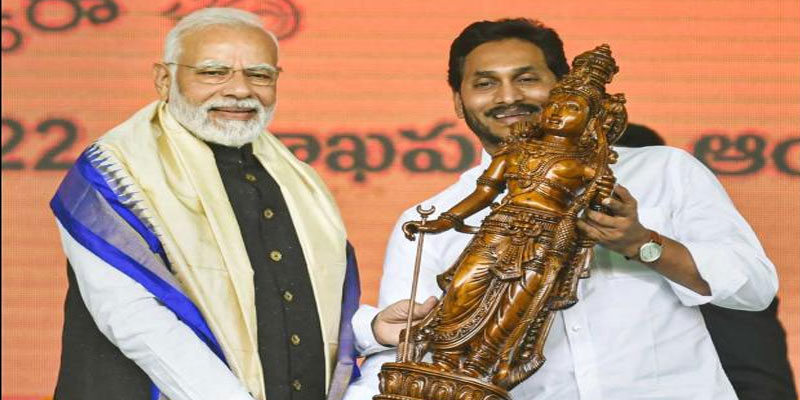
The YSRCP, led by Y.S. Jagan Mohan Reddy, has indicated that it will support the Delimitation Bill if the legislation guarantees regional balance. Party sources say it wants safeguards to prevent southern states from losing their relative political influence as parliamentary seats are redistributed. The party is reportedly hopeful of a proportionate 50% increase in seats for southern states. Its support could strengthen the government’s numbers, but remains tied to the final provisions.
Congress Strategy: Separate Women’s Quota from Delimitation
The Congress-led opposition is preparing to challenge the government’s approach on constitutional and federal grounds. Its central demand is that the 33% women’s reservation, already provided for under the 2023 law, should be implemented without waiting for delimitation or a future Census.
Congress argues that linking the two issues could delay women’s representation and create uncertainty over the distribution of seats among states. It is expected to press for detailed debate, transparency and constitutional safeguards rather than endorse a rushed legislative package.
Where the Parties Stand:
The Delimitation Bill has divided political parties over the formula for expanding parliamentary representation and implementing women’s reservation. The key difference is whether the quota should be linked to delimitation and how states’ existing representation should be protected.
Party-wise position:
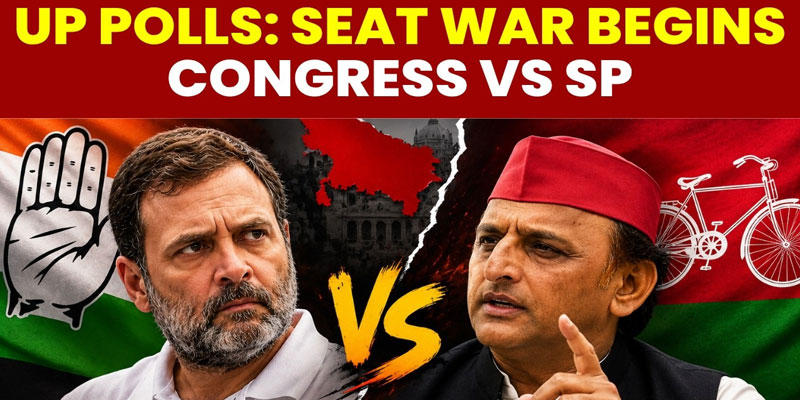
The BJP-led NDA is pushing for the Delimitation Bill and seeking support beyond its alliance to secure the required two-thirds majority. The Congress and the INDIA bloc oppose linking women’s reservation with delimitation, demanding that the 33% quota be implemented without delay and raising concerns over federal representation. The YSRCP has signalled support, provided the Bill safeguards regional balance. The DMK is conditionally open to backing it if Tamil Nadu’s existing share of Lok Sabha seats is constitutionally protected. The NCP (Sharadchandra Pawar) is willing to examine the proposal, favouring a uniform increase in seats across states, but has not formally committed its votes. The Samajwadi Party remains opposed, while the BJP is also counting on support from smaller regional parties and factions of the TMC and Shiv Sena
BJP’s Plan: Build Numbers and Negotiate Safeguards
The BJP-led NDA is seeking to revive the proposal after its earlier defeat in April, when the Constitution (131st Amendment) Bill failed to secure the required two-thirds majority.
The government’s strategy reportedly includes:
· Expanding the Lok Sabha from 543 to a maximum of 850 seats.
· Exploring a uniform 50% increase in seats across states.
· Negotiating support from regional parties, including YSRCP and NCP (SP).
· Addressing concerns over southern states’ representation.
The NDA is estimated to have around 320 Lok Sabha MPs. Even with support from YSRCP, DMK and NCP (SP), its numbers may remain short if all members vote, making further negotiations essential.
The Final Test: Consensus Beyond Political Arithmetic
The special sitting beginning November 30 is likely to become a test of negotiation, federal sensitivity and parliamentary consensus. YSRCP’s conditional support shows that regional parties are not necessarily rejecting delimitation, but demanding a fair formula.
The government’s success will depend on balancing expansion with equity. Women’s reservation must advance without weakening the representation of states that have pursued population control. A transparent, constitutionally sound framework—supported by meaningful debate—could turn a contentious bill into a democratic reform. Without such assurances, the proposed legislation risks deepening political divisions instead of strengthening parliamentary representation.
(With agency inputs)