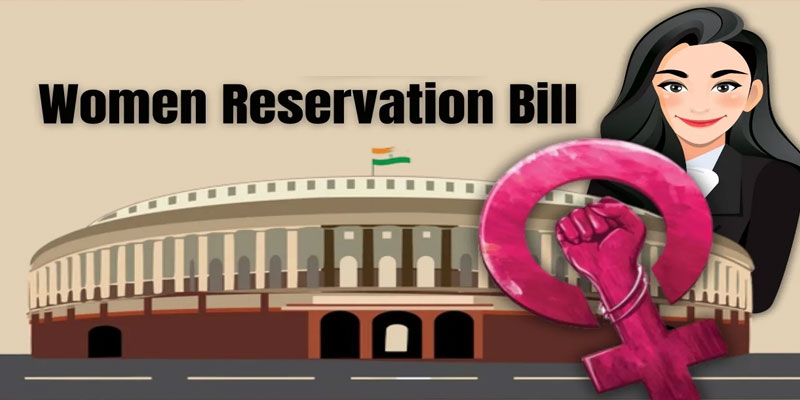
The Centre has called Parliament back for a brief, high-stakes sitting, with the Lok Sabha scheduled to reconvene on November 30 and the Rajya Sabha on December 2. Expected to conclude by December 3, the session may bring renewed attention to the politically sensitive proposals linking constituency delimitation with the implementation of 33% women’s reservation. Although the government has described the agenda as “essential Government Business,” the possible constitutional implications have already intensified political debate.
A Long Parliamentary Pause and Its Background
The proposed sitting follows an unusual parliamentary interval. The Monsoon Session began on July 20 and was adjourned sine die on August 13. However, Parliament was not formally prorogued, allowing the government to reconvene the existing session rather than summon an entirely new one. The Lok Sabha is returning after more than 100 days, while the Rajya Sabha will meet two days later.
Delimitation and Women’s Reservation: The Central Debate
The anticipated legislative focus is a fresh attempt to connect constituency delimitation with the implementation of 33% reservation for women in the Lok Sabha and state legislative assemblies.
The Constitution (131st Amendment) Bill, 2026, reportedly seeks to facilitate this process. The government is also considering a substantial expansion of the Lok Sabha, potentially increasing its strength from 543 to around 850 seats. A proportionate increase across states is being discussed to address concerns over unequal representation.
The earlier constitutional amendment proposal failed to secure the required majority in the Lok Sabha on April 17. Its revival would therefore represent both a legislative challenge and a renewed political test for the government.
Federal Balance and Political Calculations
Delimitation is not simply about increasing parliamentary seats. It determines how constituencies are redrawn and how political representation is distributed among states. Southern states have expressed concerns that population-based changes could reduce their relative parliamentary influence despite their progress in population control.
The government must consequently address several questions:
· How will additional seats be distributed among states?
· Will existing inter-state representation safeguards continue?
· What timeline will govern the implementation of women’s reservation?
· Can the government secure the special majority required for a constitutional amendment?
Opposition parties have demanded wider consultation and adequate parliamentary scrutiny. Congress and other opposition leaders are expected to challenge the proposed framework, while the government is working to build support beyond its existing numbers.
A Constitutional Test Beyond Political Arithmetic
The government’s real challenge is not merely passing a bill, but building a constitutional consensus. A transparent delimitation framework, equitable representation for states and a credible implementation timetable are essential. Parliament must ensure that expanding democracy does not create new regional imbalances. The success of this session will ultimately depend on whether political urgency is matched by constitutional fairness, meaningful debate and a lasting commitment to inclusive representation.
(With agency inputs)