A sweeping administrative reset
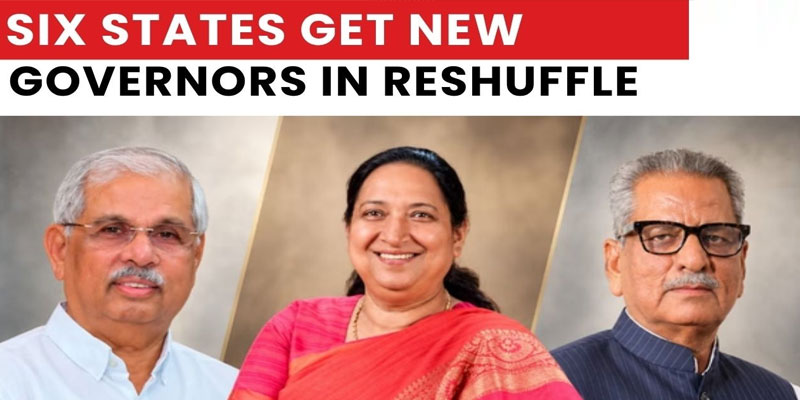
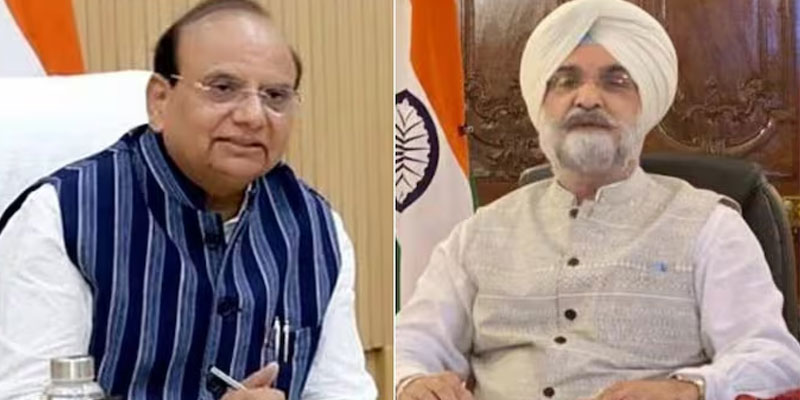
In one of the most significant gubernatorial reshuffles in recent years, Honourable President Droupadi Murmu approved a wide-ranging reconfiguration of governors and lieutenant governors across nine states and Union Territories on March 5, 2026. The most prominent change places veteran diplomat Taranjit Singh Sandhu as the new Lieutenant Governor of Delhi, replacing V. K. Saxena, who has been moved to head the Union Territory of Ladakh.
The reshuffle also shifted Kavinder Gupta from Ladakh to the governorship of Himachal Pradesh. Several other postings across states such as Maharashtra and Nagaland indicate a broader administrative recalibration by the Centre. Observers say the timing—just months before key elections in states like Bihar and Assam—suggests a strategic reshaping of the federal administrative apparatus.
Taranjit Singh Sandhu: From Diplomacy to Delhi’s Raj Niwas
Sandhu’s appointment marks a rare instance of a career diplomat moving directly into one of the country’s most politically sensitive administrative roles. A former Indian ambassador to the United States between 2020 and 2024, he is widely regarded as a seasoned envoy who played a key role in deepening India-US strategic ties during a transformative period.
Before Washington, Sandhu served as India’s High Commissioner to Sri Lanka, where he handled delicate political transitions and regional security dynamics. His diplomatic career spans more than three decades, beginning with early postings in Moscow and Kyiv following the collapse of the Soviet Union.
During his tenure in Washington—his fourth diplomatic posting in the US—Sandhu helped expand cooperation in areas such as the Quad partnership and emerging technology initiatives like the India-US Initiative on Critical and Emerging Technologies. His experience also includes work at India’s mission to the United Nations in New York and key roles within the Ministry of External Affairs.
Political transition after retirement
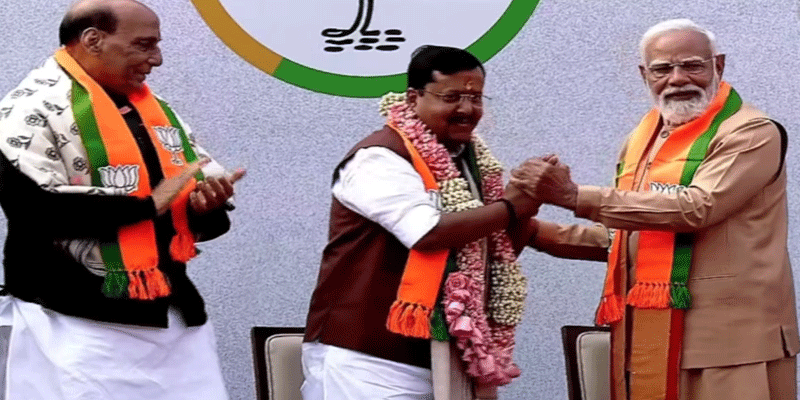
After retiring from the Indian Foreign Service in early 2024, Sandhu stepped into politics by joining the Bharatiya Janata Party. The party fielded him as its candidate from Amritsar in the 2024 Lok Sabha elections against Congress leader Gurjeet Singh Aujla.
Although he lost the contest narrowly, his campaign focused heavily on leveraging diplomatic networks for regional development and border security.
Following the election, Sandhu remained active in strategic policy circles, serving as an advisor to the US‑India Strategic Partnership Forum, where he worked on initiatives connected to Indo-Pacific cooperation, economic corridors, and emerging technology partnerships.
Political implications for Delhi
Sandhu’s arrival at Raj Niwas comes at a politically charged moment in Delhi’s governance landscape. Relations between the central government and the city’s administration, led by the Aam Aadmi Party, have frequently been strained over issues such as control of bureaucratic services and administrative authority. His predecessor Saxena often found himself in open confrontations with the Delhi government on matters ranging from the liquor policy controversy to environmental and infrastructure decisions.
Analysts believe Sandhu’s diplomatic background could bring a different approach. Known for negotiation and consensus-building, he may attempt to soften institutional friction while ensuring that the Centre’s authority remains firmly implemented. With municipal and political contests on the horizon, the Lieutenant Governor’s office will remain a crucial power centre in the capital.
Shifts beyond Delhi
The reshuffle also signals attempts to address local political sensitivities elsewhere. Saxena’s move to Ladakh places an experienced administrator in a region grappling with demands for constitutional safeguards and statehood. Meanwhile, Kavinder Gupta’s transfer to Himachal Pradesh introduces a veteran politician familiar with hill-state governance at a time when the Congress government there faces internal challenges.
Delhi’s Governance Test Ahead
The appointment of Taranjit Singh Sandhu as Delhi’s Lieutenant Governor reflects more than a routine administrative change. It represents the Centre’s effort to place experienced figures in politically sensitive posts while preparing for an intense electoral cycle.
Whether Sandhu’s diplomatic temperament can ease Delhi’s governance deadlock remains to be seen. Yet his blend of international experience, political exposure, and administrative skill positions him uniquely to navigate the capital’s complex balance between local governance and central authority.
(With agency inputs)