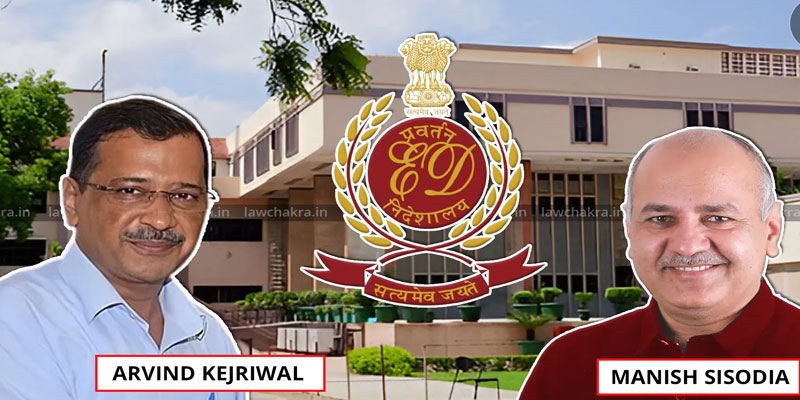
A Delhi court delivered a major blow to the CBI on February 26, 2026, discharging all 23 accused—including AAP leaders Arvind Kejriwal and Manish Sisodia—in the high-profile Delhi Excise Policy scam case. The ruling marks a dramatic turn in a controversy that reshaped Delhi’s political landscape over the past three years.
Case Background: From Policy Overhaul to Criminal Probe
The controversy dates back to 2021–22, when the AAP government revamped Delhi’s liquor policy. The reform shifted retail sales from state-run shops to private licensees and introduced a 6% wholesale commission structure, later increased to 12%.
The CBI and Enforcement Directorate alleged the policy enabled a ₹1,000+ crore kickback cartel involving AAP leaders, liquor traders and political intermediaries. According to investigators, policy tweaks allegedly favoured select retailers in exchange for bribes and unaccounted funds routed as election contributions.
Sisodia was arrested in February 2023, while Kejriwal was taken into custody by the ED in March 2024 and later by the CBI. Both leaders spent months in jail, navigating bail hearings that reached the Supreme Court. The case became emblematic of the BJP-led Centre’s aggressive pursuit of opposition leaders through federal agencies.
The Court Verdict and Immediate Reactions
Special Judge Jitendra Singh discharged all accused, ruling that the prosecution’s case “doesn’t survive judicial scrutiny.” The court criticised the CBI’s voluminous chargesheet, noting the absence of cogent evidence, lack of credible witness corroboration and investigative lapses. It concluded that no prima facie case of conspiracy or corruption was established.
AAP leaders reacted with jubilation. The party posted, “Truth is immortal,” on X. Kejriwal, visibly emotional, declared, “Truth wins,” describing the verdict as vindication after years of what he termed political vendetta. Sisodia echoed the sentiment with “Satyamev Jayate.”
Senior advocate Kapil Sibal criticised the case as politically motivated, alleging it was designed to influence Delhi’s electoral outcomes.
What the CBI Says Now
The CBI has announced it will challenge the discharge order in the Delhi High Court. Officials maintain that their investigation uncovered financial irregularities and a discernible money trail warranting a full trial. By moving to appeal, the agency aims to keep the legal battle alive and prevent the ruling from becoming a definitive political clean chit.
Political Impact: AAP’s Revival, BJP’s Dilemma
For AAP, the verdict is a morale booster and narrative reset. After setbacks in recent elections, the discharge restores Kejriwal’s anti-corruption image that powered AAP’s sweeping victories in 2015 and 2020. With top leadership freed from legal uncertainty, the party regains campaign agility ahead of future Delhi polls and strengthens its argument that probe agencies were weaponised.
For the BJP, the ruling blunts a central campaign theme—the alleged liquor scam—that had become a potent attack line, especially among women and lower-income voters. While an appeal offers room to sustain pressure, a prolonged legal drag risks reinforcing AAP’s charge of “vendetta politics.” In Delhi’s bipolar contest between AAP and BJP, the verdict narrows the opposition’s attack surface.
A Legal Reset, Not the Final Word
The discharge underscores growing judicial insistence on evidentiary rigour in politically sensitive cases. While the CBI’s appeal ensures the saga is not over, the immediate momentum has shifted decisively toward AAP. In Delhi’s high-stakes political theatre, the ruling reshapes electoral calculations—and raises larger questions about the intersection of law, politics and investigative power in India’s democracy.
(With agency inputs)