Modi Likely to Push for Greater UAE Energy Supplies
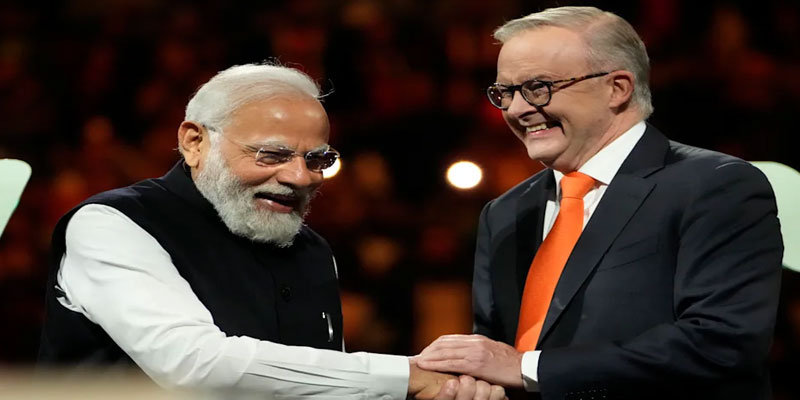
Prime Minister Narendra Modi is expected to focus heavily on energy security during his brief visit to the United Arab Emirates, with Indian officials indicating that New Delhi will seek expanded long-term oil supplies, improved storage arrangements, and stronger energy cooperation with Abu Dhabi. The UAE stop marks the opening leg of Modi’s five-nation tour from May 15 to May 20 and comes at a time of heightened instability in West Asia following disruptions linked to the ongoing US-Israel-Iran conflict.
Sources suggest the visit is designed primarily around urgent economic and energy priorities rather than broad geopolitical messaging. India’s focus is expected to remain highly pragmatic: securing stable crude volumes, ensuring reliable logistics, and strengthening strategic petroleum reserves to shield the country from future supply shocks.
Why the UAE Has Become Strategically Crucial
The UAE has emerged as an increasingly important energy partner for India due to a combination of geopolitical flexibility and geographic advantage. Abu Dhabi’s recent exit from the OPEC framework has reportedly provided it with greater freedom to expand crude output and negotiate supply arrangements outside rigid production quotas.
For India, this creates an opportunity to secure additional energy volumes at a time when global markets remain volatile. The UAE’s proximity to India also reduces shipping time and freight costs compared with suppliers located farther away, making Emirati crude both strategically and economically attractive.
As one of the world’s fastest-growing energy consumers, India has been actively diversifying and strengthening its supply chains to reduce vulnerability to geopolitical disruptions in critical shipping routes.
Key Energy Objectives Expected During the Visit
Indian officials are expected to pursue several major objectives during Modi’s discussions with UAE leaders and energy companies, particularly ADNOC.
The primary focus will likely be on long-term offtake agreements that guarantee predictable supplies of crude oil and refined products over multiple years. Such contracts would provide India with greater price stability and energy planning certainty amid regional instability.
Another major agenda item is the expansion of India’s Strategic Petroleum Reserve (SPR) programme. New Delhi is expected to request additional UAE participation in Indian underground storage facilities, building on ADNOC’s earlier involvement in the Mangalore reserve project. This could involve direct crude storage, financial participation, or supply-linked storage agreements.
India may also seek more flexible payment systems, shipping guarantees, and insurance mechanisms to protect energy trade from sanctions-related risks and disruptions affecting Gulf transit routes.
Broader Strategic and Economic Implications
If successful, the visit could significantly strengthen India’s long-term energy resilience. Increased UAE supplies would reduce India’s dependence on more distant and volatile suppliers while lowering freight expenses and improving supply reliability.
Expanded strategic reserves would provide India with a stronger buffer against sudden geopolitical shocks, helping stabilize domestic fuel prices and support broader economic stability. Joint investments in refining, petrochemicals, or upstream energy assets may also emerge as part of a deeper commercial partnership.
However, challenges remain. Strong global demand for Gulf energy, competition from European and Asian buyers, and continued uncertainty surrounding regional security may limit the extent of immediate price concessions or guaranteed supply increases.
Energy Diplomacy at the Centre of Foreign Policy
Modi’s UAE visit reflects how energy security has become central to India’s foreign policy and economic strategy. At a time of rising geopolitical uncertainty and fragile global energy markets, New Delhi is prioritizing reliable partnerships capable of delivering both supply stability and strategic flexibility. A successful visit would not only secure additional crude supplies and storage arrangements but also reinforce the growing India-UAE strategic partnership. More importantly, it would demonstrate India’s increasingly proactive approach to protecting its long-term energy and economic interests in an unpredictable global environment.
(With agency inputs)