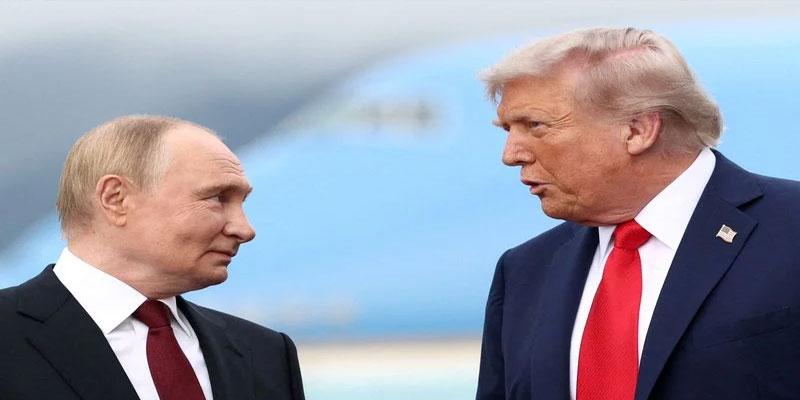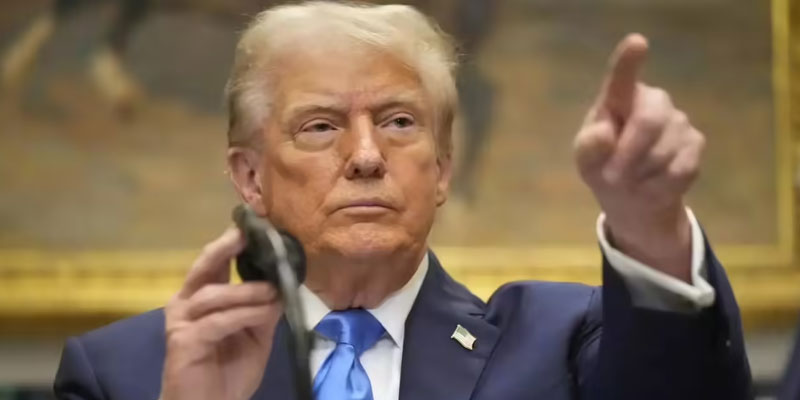
Hours before Donald Trump’s deadline for Iran to reopen the Strait of Hormuz expires, tensions have sharply escalated. Tehran has formally rejected Pakistan’s proposed two-phase ceasefire framework—the “Islamabad Accords”—opting instead for a sweeping 10-point counterproposal. Trump, doubling down, warned that Iran would “pay a big price” for refusing US terms, adding ominously, “The entire country can be taken out in one night. It can be tomorrow night.”
Iran Rejects Islamabad Accords, Offers Counterproposal
Iran’s dismissal of the Islamabad Accords marks a decisive moment in the standoff. Pakistan’s plan called for an immediate reopening of the Strait of Hormuz, followed by negotiations toward a broader settlement within 15–20 days. Tehran, however, characterized the proposal as coercive and insufficient.
Instead, Iran introduced a comprehensive framework demanding a permanent end to hostilities, guarantees against future attacks, recognition of its uranium enrichment rights under international law, sovereign control over Hormuz, and reparations for damages incurred. These demands reflect not just tactical resistance but a strategic push for long-term security assurances and regional leverage.
Trump’s Escalatory Rhetoric Signals Imminent Risk
Trump’s response has been uncompromising. Labeling Iran’s proposal “significant but insufficient,” he reiterated the possibility of devastating military action targeting critical infrastructure, including power plants and bridges. His warning that Iran could be reduced to a “Stone Age” scenario underscores a doctrine of overwhelming force.
This rhetoric follows an already intense campaign of over 900 initial strikes, reportedly eliminating key Iranian military figures, including IRGC leadership. The language and posture suggest a continuation of Trump’s established pattern of high-stakes ultimatums, dating back to earlier confrontations in his presidency.
A Conflict Rooted in Strategic Deadlock
The current crisis stems from a broader US-Israel military offensive that severely degraded Iran’s defensive capabilities. Diplomatic efforts led by intermediaries like Oman have repeatedly failed, largely due to disagreements over the Strait of Hormuz—a chokepoint for nearly 20% of global oil supply.
Iran’s insistence on retaining control over Hormuz and maintaining nuclear autonomy clashes directly with US demands for immediate de-escalation and compliance. Pakistan’s mediation attempt, though significant, ultimately failed to bridge this fundamental divide.
Will Trump Compromise?
A US concession appears unlikely. Trump’s strategy prioritizes securing Hormuz for global energy stability and weakening Iran’s regional influence. Accepting Iran’s conditions—particularly on enrichment and sovereignty—could be perceived domestically as a sign of weakness, especially in a politically sensitive environment.
Moreover, past decisions, including withdrawal from the nuclear deal and targeted assassinations, indicate a preference for pressure over compromise. With military momentum seemingly on Washington’s side, escalation may be viewed as a more viable path than negotiation.
Strategic Fallout: Global and Regional Stakes
The implications of a breakdown are severe. A military escalation could trigger a 30–50% spike in global oil prices, potentially pushing crude to $150 per barrel. Countries like India would face immediate economic strain, alongside disruptions in trade and large-scale evacuations.
Regionally, proxy conflicts could intensify, drawing in groups across Lebanon, Gaza, and beyond. The positioning of US naval assets and Israel’s heightened alert further amplify the risk of a broader war.
Deadline at the Edge of Catastrophe
As the deadline approaches, the situation teeters between a fragile diplomatic opening and catastrophic escalation. Iran seeks permanence and sovereignty; the US demands immediate compliance and strategic control. With neither side willing to yield, the Strait of Hormuz has become more than a maritime corridor—it is now the focal point of a high-stakes geopolitical gamble. Whether this moment leads to a breakthrough or devastation will depend on decisions made in the final hours.
(With agency inputs)