Boeing CEO Kelly Ortberg has indicated that Donald Trump could play a decisive role in securing a long-awaited aircraft deal with Chinese airlines. The proposed agreement—potentially involving hundreds of jets—signals how deeply global aviation sales are now intertwined with geopolitics, trade policy, and high-level diplomacy.
Boeing’s Long Road Back in China
Boeing’s position in China has weakened significantly since 2017, when trade tensions between Washington and Beijing escalated. Tariffs, regulatory friction, and retaliatory measures led to stalled deliveries and shrinking market share for the American plane maker. At one point, China halted or reversed aircraft orders, turning Boeing into a visible casualty of the broader trade dispute.
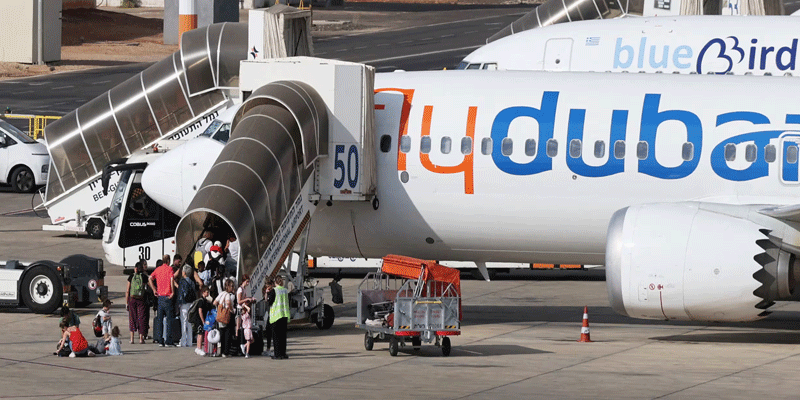
Now, negotiations appear to be gaining traction again. The potential deal—reportedly involving around 500 737 MAX aircraft along with additional widebody jets—would mark China’s first major Boeing purchase in nearly a decade. For Boeing, this is more than a commercial win; it is a crucial step toward regaining relevance in one of the world’s fastest-growing aviation markets.
Why Trump’s Role Is Central
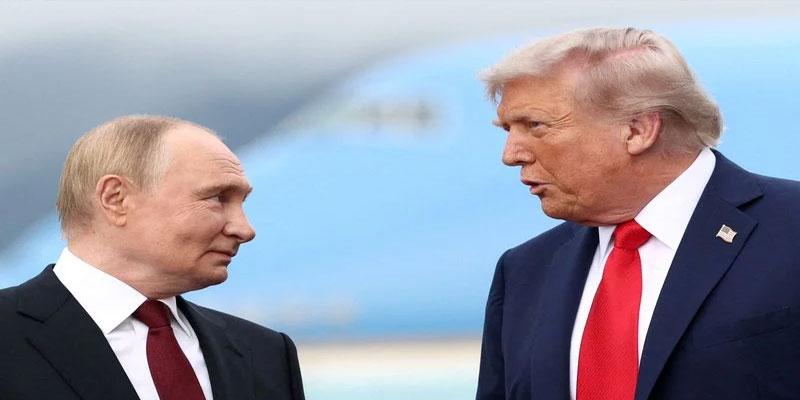
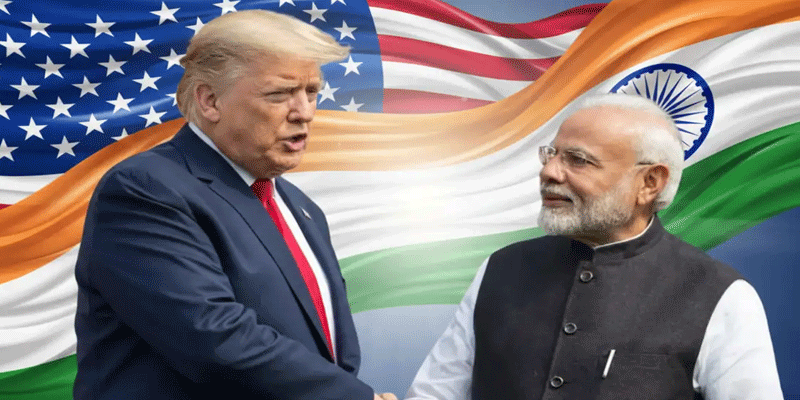
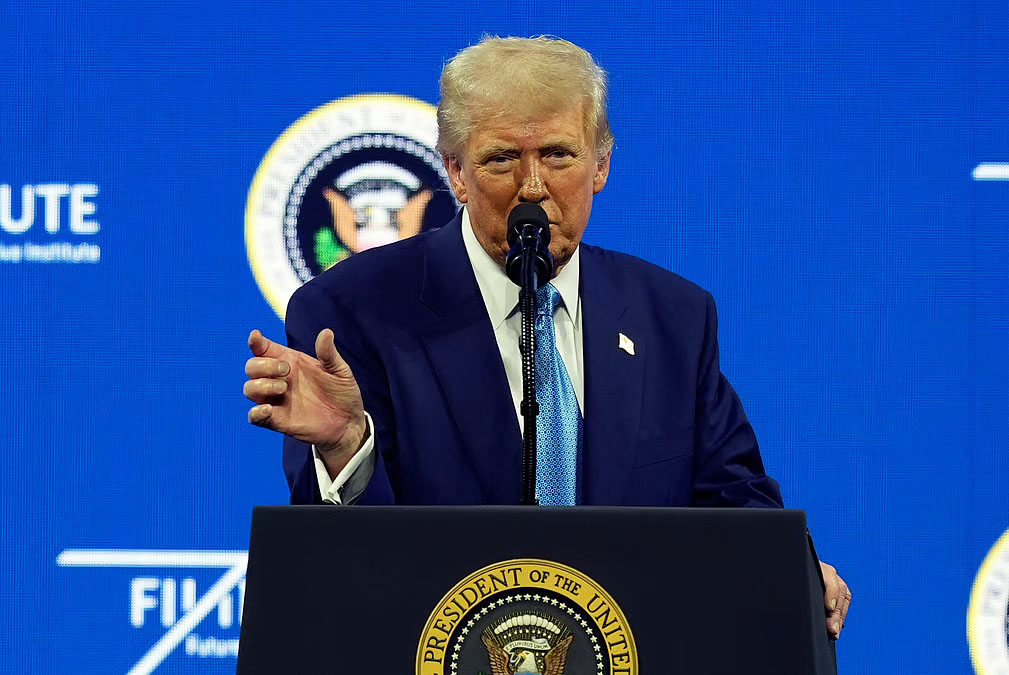
Ortberg’s assertion that Trump is “key” to the deal underscores the political dimension of modern aerospace contracts. The outcome hinges not only on pricing or aircraft performance but also on tariff clarity, diplomatic signalling, and broader trade negotiations.
An upcoming summit between Trump and Xi Jinping is expected to provide a platform for advancing or even announcing the agreement. For the US, such a deal fits into a “trade-plus” strategy—pairing economic agreements with geopolitical objectives. For China, purchasing Boeing aircraft can help ease trade imbalances while ensuring its airlines maintain access to critical parts and servicing support without disruption.
Boeing’s Production Push and Industrial Recovery
Parallel to its diplomatic efforts, Boeing is ramping up production capacity. At its Renton, Washington facility, the company is increasing output of the 737 MAX from 42 to 47 aircraft per month, with plans to scale further in the coming years. A new production line in Everett—referred to as the “North Line”—is expected to enhance capacity and support a long-term goal of producing up to 63 jets monthly.
This expansion, however, is contingent on approvals from the Federal Aviation Administration and sustained improvements in safety standards. Boeing’s recovery strategy depends on restoring confidence among regulators, airlines, and passengers after years of scrutiny and operational setbacks.
Beyond Aviation: Boeing’s Space Ambitions
While commercial aviation remains its core business, Boeing is also reaffirming its presence in the space sector. Competing with private players like SpaceX, Boeing is leveraging its partnership in United Launch Alliance to maintain a foothold in satellite launches and government contracts.
Despite regulatory challenges and intense competition, the company sees space as a strategic growth area. Continued investment in this domain reflects Boeing’s broader ambition to diversify revenue streams and remain a key player in next-generation aerospace technologies.
Where Diplomacy Meets Industry
The potential China aircraft deal represents more than a business transaction—it is a convergence of industrial recovery, geopolitical negotiation, and strategic signalling. Boeing’s reliance on Trump’s diplomatic influence highlights how global trade is increasingly shaped by political relationships as much as market forces.
If finalized, the agreement could reset Boeing’s trajectory in Asia while offering China a pragmatic pathway to stabilize aviation ties. Ultimately, the episode underscores a new reality: in today’s interconnected world, the future of major industries like aviation depends as much on diplomacy as it does on engineering.
(With agency inputs)