Israeli Attack Sparks Regional Outcry
The Middle East was jolted this week when Israeli jets struck a residential complex in Doha’s Wadi Rawdan district. Israel said the site sheltered senior Hamas leaders engaged in peace talks on Gaza. The intended targets survived, but six people were killed, including five Hamas members and a Qatari security officer.
Qatar denounced the strike as a grave breach of sovereignty and international law. Condemnations also came from Turkey, Egypt, Saudi Arabia, Iran, European powers, and the UN Secretary-General, who called it a violation of territorial integrity. Even the United States admitted the strike was unilateral, with Doha informed only at the last minute.
India’s Strong Response
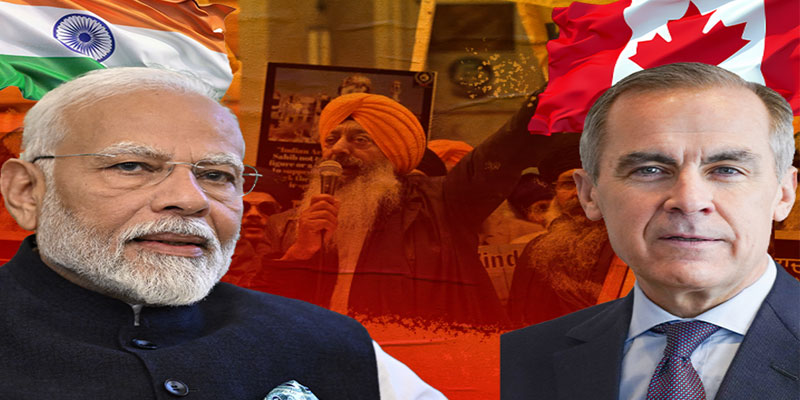
Prime Minister Narendra Modi called Qatari Emir Sheikh Tamim bin Hamad Al-Thani to express solidarity. In his post on X, he stated that India “condemns the violation of the sovereignty of the brotherly State of Qatar” and reaffirmed support for peace through dialogue and diplomacy.
Though he avoided naming Israel publicly, Qatar’s readout quoted Modi as condemning a “cowardly Israeli attack.” It was the first time New Delhi had openly used the word “condemn” for Israeli action during the Gaza conflict—signaling a notable shift from India’s earlier caution.
Balancing Gulf Ties and Israel
India’s response highlights the importance of its strategic ties with Qatar, a country supplying 40% of its liquefied natural gas and pledging $10 billion in investments. Modi personally received the Qatari leader during his February visit, reflecting unusual warmth. The release of eight Indian naval veterans from Qatari custody last year further cemented relations.
At the same time, India continues to value its close defense and technology cooperation with Israel. Modi’s parallel remark that India opposes terrorism “in all its forms” reflected an attempt to maintain balance—supporting Qatar without alienating Tel Aviv.
Shifting Indian Position on Gaza
Since Hamas’s October 2023 attack, India has walked a fine line. Initially, Modi expressed solidarity with Israel, but New Delhi later supported humanitarian resolutions at the UN and called for a ceasefire without directly criticizing Israel. The condemnation of the Qatar strike, therefore, stands out as one of India’s sharpest interventions in the conflict so far.
Diplomats say the stronger language reflects not just outrage over the attack but also India’s recognition of Qatar’s pivotal role as mediator in Gaza and as a vital energy partner.
Strategic Calculations Ahead
Israel’s Prime Minister Benjamin Netanyahu defended the operation as necessary against Hamas masterminds of terror attacks. Yet the unilateral strike on a Gulf ally has drawn unusual pushback, even from friendly capitals. For India, it provides both risks and opportunities: it can reinforce its image as a defender of sovereignty and international law while carefully managing ties with Israel.
A New Line in the Sand
India’s condemnation of the Qatar strike is more than symbolic. It signals that New Delhi will prioritize sovereignty and stability in the Gulf, even at the cost of indirectly criticizing Israel. The move strengthens ties with Doha and the wider Arab world, while underlining India’s intention to be seen as a responsible global actor.
Going forward, New Delhi will have to keep balancing—working with Israel on counter-terrorism while deepening energy and investment partnerships in the Gulf. The Qatar episode shows India is prepared to draw lines when key principles and strategic interests converge.
(With agency inputs)