Centre Approves Caste Enumeration in Upcoming Census
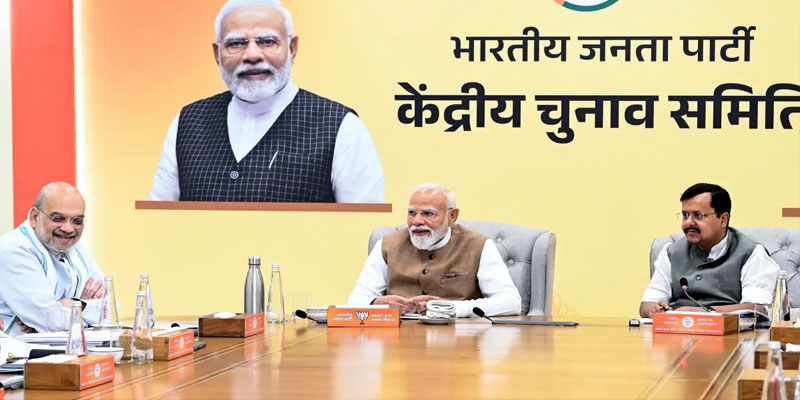
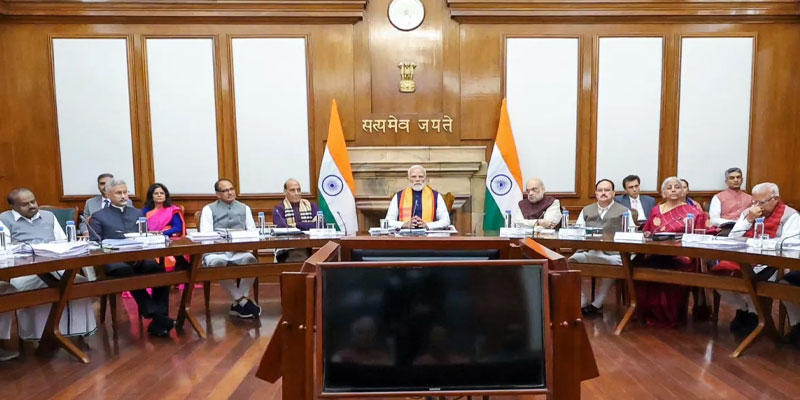
In a crucial policy development, the Government of India has announced that caste will be enumerated in the next national population census, slated for 2025. Union Minister Ashwini Vaishnaw confirmed the decision at a cabinet briefing on Wednesday, stating that the Cabinet Committee on Political Affairs had formally approved the inclusion.
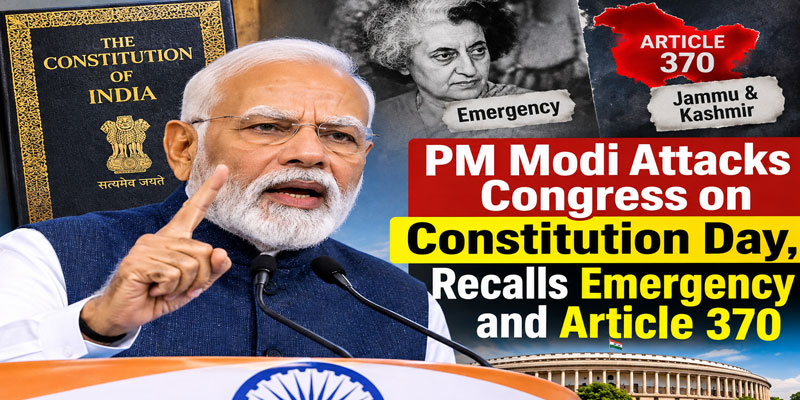
The announcement marks the first time since 1931 that caste, beyond Scheduled Castes and Scheduled Tribes, will be comprehensively recorded in a national census. Vaishnaw emphasized the government's intent to conduct the exercise transparently, while simultaneously criticizing the Congress for historically opposing such measures and using the issue as a political bargaining chip.
Policy Context: Bridging Data Gaps in Social Stratification
India's policymaking has long suffered from a lack of up-to-date empirical data on caste. Despite the centrality of caste in determining access to education, employment, and political power, national planning has relied on outdated assumptions and incomplete records. This data vacuum has undermined the design and delivery of affirmative action policies, particularly for Other Backward Classes (OBCs), whose estimated population ranges vary widely without official backing.
The push for caste enumeration gained traction following Bihar’s caste survey in 2023, which revealed that 63% of its population belonged to OBC or EBC categories. That data catalyzed demands from opposition parties—particularly the Congress and its allies in the INDIA bloc—for a nationwide caste census to rationalize reservations and welfare distribution.
Political Implications: A Strategic Realignment by BJP
While the Bharatiya Janata Party (BJP) previously resisted a caste census at the national level, this decision reflects a major strategic recalibration. The BJP’s state units have shown increasing sensitivity to the demands of dominant backward caste communities, especially in Bihar and Uttar Pradesh, where caste identity heavily influences electoral outcomes.
The central government’s move may also be an attempt to pre-empt state-led efforts, ensuring control over the methodology, interpretation, and public framing of caste data. By asserting that only the Union government is constitutionally authorized to conduct a caste census, the Centre is effectively asserting data sovereignty and standardizing how caste identities are quantified across states.
Governance Impact: Potential for Evidence-Based Policymaking
The decision opens the door for more rational and evidence-based policy decisions. A caste census would provide granular insights into the socio-economic conditions of various groups—informing resource allocation, enhancing the effectiveness of welfare schemes, and potentially reshaping reservation quotas to better reflect demographic realities.
However, the policy also carries risks of political polarization. Critics argue that enumerating caste could deepen social divisions and entrench identity politics. Much will depend on how the data is presented and used—whether to correct structural imbalances or consolidate vote banks.
Moreover, administrative challenges remain. Ensuring data accuracy, avoiding duplication of sub-castes, and maintaining confidentiality will be critical for the exercise’s legitimacy.
A Defining Moment for India's Democratic Equity Agenda
The Centre’s decision to include caste in the national census represents a transformational policy move, one that could correct decades of demographic opacity and allow for data-driven social justice. It has the potential to reshape governance priorities, redefine political narratives, and realign the social contract between the state and its citizens.
The onus now lies on the government to follow through with methodological rigor, administrative integrity, and ethical clarity. If executed well, this initiative could lay the foundation for a more inclusive and empirically grounded developmental framework in the world’s largest democracy.
(With inputs from agencies)