A Political Crisis at the End of the Assembly’s Five-Year Term
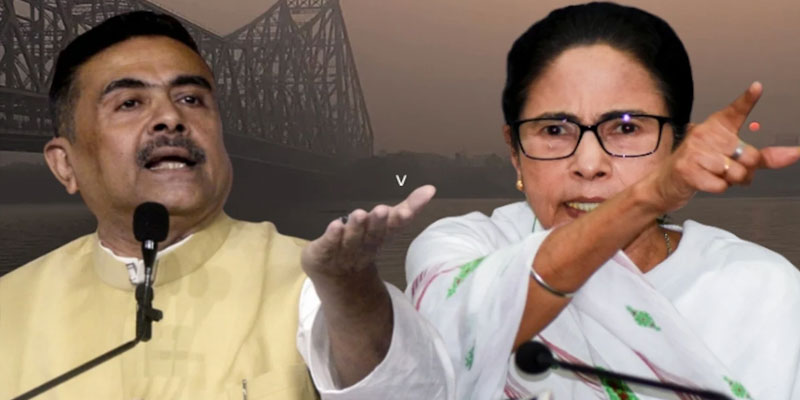
West Bengal has entered one of the most politically volatile and constitutionally sensitive phases in its recent history after Governor RN Ravi dissolved the state assembly immediately upon the completion of its five-year tenure. The dramatic move came after Chief Minister Mamata Banerjee refused to resign despite the BJP’s decisive victory in the 2026 assembly elections.
Under Article 172 of the Constitution, a legislative assembly ordinarily ceases to exist once its five-year term expires unless dissolved earlier. Conventionally, the outgoing government continues in a caretaker capacity until the new administration takes oath. However, Bengal’s transition has become deeply contentious because the incumbent chief minister has openly rejected the legitimacy of the electoral verdict itself.
Governor’s Constitutional Intervention
Governor Ravi invoked Article 174(2)(b) to formally dissolve the assembly through a brief but politically loaded notification. Technically, the dissolution aligned with the natural expiry of the House’s term, yet the timing and context transformed a routine constitutional procedure into a major political intervention.
The Governor’s order effectively underlined that the previous legislative mandate had ended and that the old assembly no longer existed in constitutional terms. While this does not automatically remove the council of ministers, it sharply narrows the moral and political space for the outgoing government to continue functioning as though it still commands authority.
The constitutional complexity lies in Article 164, under which ministers technically hold office during the Governor’s pleasure. That provision allows a caretaker arrangement until a new chief minister is sworn in. Yet the unusual circumstance of a defeated chief minister refusing to resign has pushed constitutional conventions into uncertain territory.
Mamata Banerjee’s Defiance and TMC’s Legal Strategy
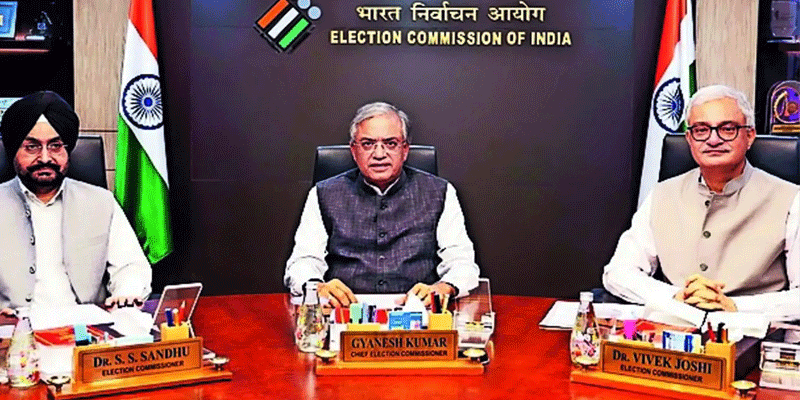
Mamata Banerjee has described the election verdict as a “looted mandate,” alleging EVM manipulation, procedural coercion, and collusion between the Election Commission of India and the BJP. Her refusal to resign has been framed not merely as political resistance, but as a challenge to the legitimacy of the electoral process itself.
The Trinamool Congress is expected to approach the Calcutta High Court and potentially the Supreme Court of India seeking judicial scrutiny of election results in multiple constituencies. The party is also preparing to challenge the Election Commission’s conduct during polling and counting procedures.
This creates an unprecedented constitutional paradox: a government defeated at the ballot box continuing to question the authority of the institution that certified the defeat.
Caretaker Government or Constitutional Breakdown?
The central issue now is whether Mamata Banerjee can continue even temporarily as caretaker chief minister. The BJP insists she should be dismissed outright, arguing that someone rejecting the election outcome cannot legitimately oversee the transition process.
Governor Ravi’s dissolution order appears carefully calibrated. It stops short of dismissing the ministry outright, yet simultaneously signals that the continuation of the present administration cannot be treated as routine governance. In effect, the Governor has taken what many constitutional observers view as a “half-step” — preserving procedural continuity while increasing pressure for a swift transfer of power.
A Precedent with National Implications
The Bengal episode may become a defining constitutional precedent in India’s federal politics. It raises difficult questions about gubernatorial discretion, caretaker conventions, and the limits of political defiance after electoral defeat.
If courts ultimately uphold the Governor’s actions, it could strengthen the role of Governors during contested transitions. If they intervene against perceived overreach, stricter constitutional guardrails may emerge. Either way, Bengal’s crisis has exposed the fragile intersection where constitutional morality, political legitimacy, and institutional power collide.
(With agency inputs)