A Pre-Exam Crackdown: Commissionerate Police Bust NEET Admission Racket
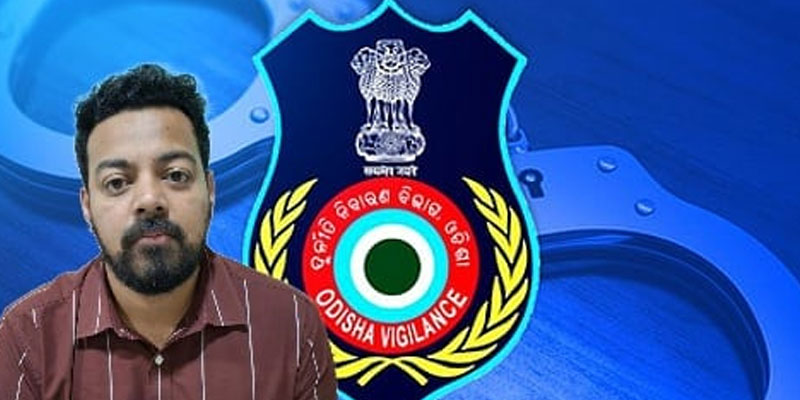
In a decisive operation just a day before the National Eligibility cum Entrance Test (NEET), the Commissionerate Police in Bhubaneswar busted an interstate racket engaged in the illegal sale of MBBS seats. Four individuals—two from Odisha and one each from Bihar and Jharkhand—were arrested in connection with the scam. Authorities seized cheques amounting to Rs 90 lakh, indicating a well-planned scheme to manipulate the highly competitive medical entrance system.
At a press briefing, Police Commissioner S. Dev Datta Singh disclosed that the accused were soliciting large sums from NEET aspirants and their families in exchange for guaranteed admissions into reputed medical colleges. Alarmingly, their tactics included impersonation—replacing real candidates with lookalikes during the exam.
The NEET Exam: A Gateway Fraught with Scams
The NEET exam is the sole gateway for MBBS and BDS admissions in India, taken annually by over 2 million aspirants. Its high-stakes nature has unfortunately turned it into a breeding ground for unethical practices, including impersonation, leaked papers, forged documents, and seat-selling rackets.
The Central Government and the National Testing Agency (NTA)—which conducts NEET—have introduced a variety of preventive measures over the years: biometric verification, use of AI-enabled surveillance systems, encrypted question papers, and strict invigilation. Yet, criminal syndicates continue to evolve, often aided by parental collusion and weak enforcement in certain regions.
The Bhubaneswar incident is the latest in a pattern of NEET-related scams that challenge the credibility of India's medical education system.
Anatomy of a Scam: Selling Dreams for Crores
According to police, the gang had already negotiated deals worth nearly Rs 1 crore, promising medical seats to aspirants regardless of merit. Investigators also uncovered blank cheques, suggesting ongoing negotiations with other candidates.
The gang’s modus operandi was a mix of low-tech fraud and high-tech coordination: impersonators, fake IDs, and forged documents were used to infiltrate the system. Police suspect that Non-Resident Indian (NRI) families were also being targeted, drawn in by the allure of securing international medical seats through Indian institutions.
Perhaps the most disturbing revelation was that some parents were complicit, treating these illegal transactions as a means to “secure their child’s future,” regardless of legality or ethics.
Government Response and Ongoing Investigation
The police operation, led by the Special Crime Unit, was the result of weeks of surveillance based on intelligence inputs. Authorities conducted simultaneous raids to nab the accused before they could influence the 2025 NEET admissions.
The Commissionerate Police confirmed that this was not an isolated racket, but likely part of a wider interstate network. Digital evidence is now being scrutinized, and more arrests may follow in the coming days.
Meanwhile, the Odisha Police have assured airtight security for the upcoming NEET exam. Officials emphasized that this crackdown would act as a deterrent to others attempting to manipulate the system.
Implications: Integrity, Equality, and Accountability
The unmasking of this racket has reignited concerns over educational equity and integrity. At a time when thousands of deserving students spend years preparing for NEET, such fraud schemes erode faith in the system. They threaten to undermine public trust, disadvantage genuine aspirants, and dilute the standards of medical education in India.
However, the swift action taken by Odisha Police also sends a clear message: zero tolerance for malpractice. It shows the importance of proactive law enforcement and the need for vigilant parental and institutional responsibility.
Restoring Trust in the Meritocracy
These timely police action ahead of NEET 2025 is more than just a law-and-order victory—it is a step toward restoring credibility in India's medical admission process. As the investigation deepens and more names emerge, it becomes essential for parents, students, and institutions to uphold transparency, merit, and fairness in one of the most critical gateways of professional education.
In the end, no shortcut can substitute for hard work and honesty. And no scam, no matter how sophisticated, can stand unchallenged when vigilance meets resolve.
(With agency inputs)

LATEST NEWS