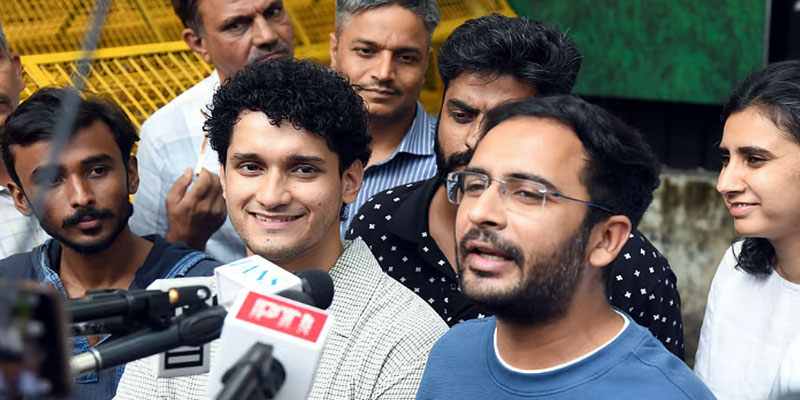
High Court Questions Timing of Challenge
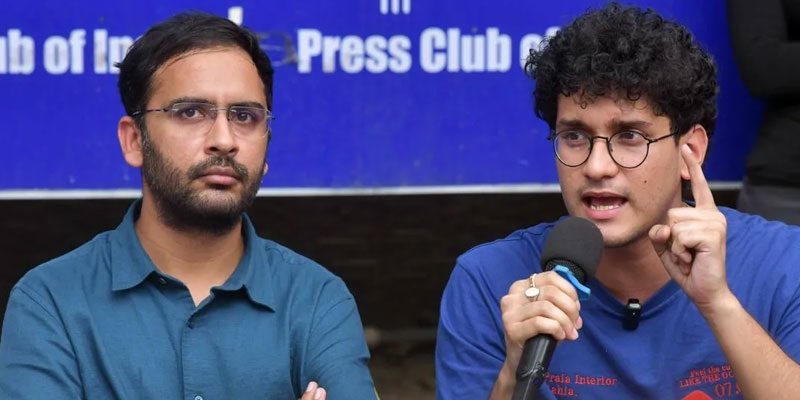
Cockroach Janata Party (CJP) co-conveners Saurav Das and Ashutosh Ranka on Wednesday withdrew their Delhi High Court petition challenging their judicial custody after the court questioned why they had approached it before the ongoing proceedings before the Special Executive Magistrate had concluded. The court clarified no opinion on the merits of their detention, leaving the dispute over their liberty unresolved.
Background Protest Against Electoral Roll Revision
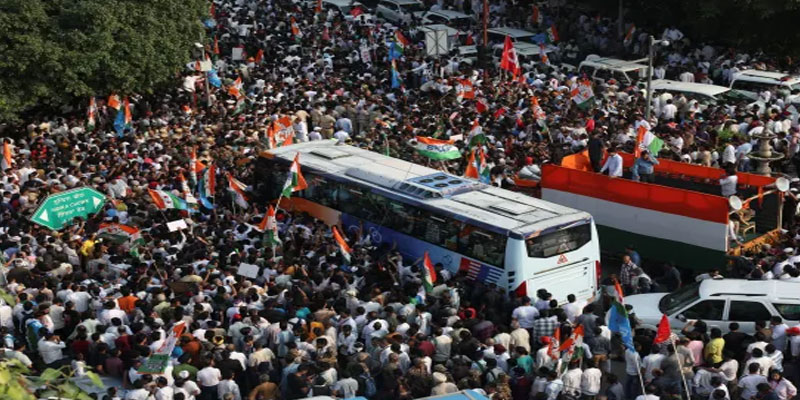
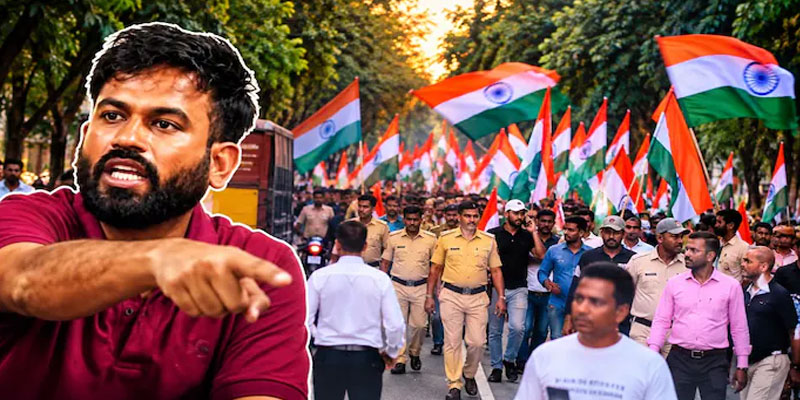
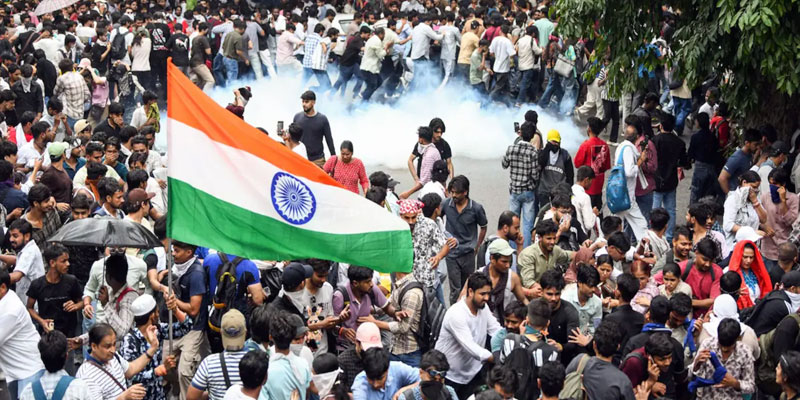
Das and Ranka were detained on October 13 after allegedly climbing a locked gate to enter Jantar Mantar, which Delhi Police had de-notified as an authorised protest venue on October 11. They were demonstrating against the Special Intensive Revision (SIR) of electoral rolls and had previously been bound by a peace bond.
On October 14, the Special Executive Magistrate (SEM) ordered five days of judicial custody, citing apprehensions of a breach of peace. The proceedings were initiated under Sections 126 and 170 of the Bharatiya Nagarik Suraksha Sanhita (BNSS), which provide for security to maintain peace and preventive action in specified circumstances.
Custody Extension Triggers Legal Challenge
On October 19, the SEM extended their custody by two days, until October 21, and rejected the sureties submitted for their release. The magistrate reportedly expressed doubts about the sureties' ability to ensure compliance and cited discrepancies in identity documents.
The CJP leaders subsequently approached the High Court, contending that the custody extension and rejection of sureties amounted to arbitrary executive action and infringed their right to personal liberty under Article 21 of the Constitution. They sought urgent intervention while lodged in Tihar Jail.
Why the Petition Was Withdrawn
Justice Subramonium Prasad questioned the urgency of approaching the High Court when the SEM was scheduled to hear the matter at 2 pm on Wednesday. The court indicated that the petitioners should first await the magistrate's decision and, if dissatisfied, pursue the statutory appellate remedy.
Their counsel consequently withdrew the petition. The court permitted the withdrawal without expressing any opinion on the merits, meaning it neither upheld nor invalidated the detention orders.
The Next Legal Steps
The immediate focus shifted to the SEM's scheduled consideration of custody and release on October 21. Depending on that decision, the leaders could seek relief through the prescribed appellate process.
The withdrawal also leaves unresolved the legality of the protest-site de-notification, the implications of the peace bond and the scope of preventive powers exercised by authorities.
Liberty Must Be Balanced with Due Process
The episode illustrates the procedural complexities surrounding preventive action and personal liberty. Courts may expect litigants to exhaust available statutory remedies before seeking extraordinary intervention, particularly when proceedings are already underway. However, procedural discipline must not become an obstacle to timely scrutiny of unlawful detention.
Ultimately, the High Court's decision was procedural, not a verdict on the legality of the custody. The decisive question remains whether the authorities can justify continued restrictions on the leaders' liberty under the applicable law while respecting constitutional safeguards and the right to peaceful protest.
(With agency inputs)