A Medical Horror Unfolds
In an incident that has shaken public trust in the healthcare system, a man impersonating a world-renowned UK cardiologist managed to perform 15 heart surgeries in Damoh, Madhya Pradesh, resulting in seven deaths. Narendra Vikramaditya Yadav, posing as Dr. N John Camm, a respected cardiologist from London, operated undetected for months at Mission Hospital, until a series of post-operative deaths raised red flags.
This chilling case of medical impersonation and malpractice has not only cost innocent lives but has exposed critical gaps in hospital oversight, credential verification, and public health safeguards.
Deception in the Operating Room
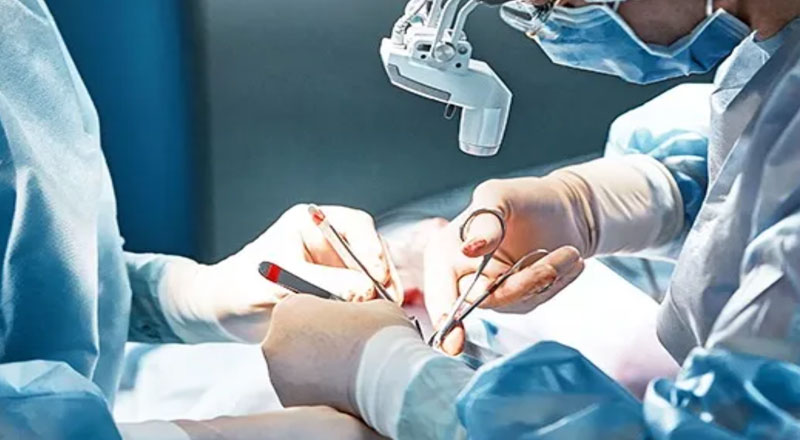
Yadav, reportedly using forged medical degrees and false documents, was employed as a specialist in the cardiology department. Over a short span—December 2024 to February 2025—he conducted heart procedures on unsuspecting patients, including angiographies and angioplasties.
Among the victims was 63-year-old Raheesa, who died following a failed angioplasty. Her family only learned of the impostor through the media, as the hospital never disclosed the truth. Mangal Singh, another patient, succumbed hours after a surgery hastily recommended for what was initially diagnosed as a gas problem. His son claimed the surgery was performed without adequate communication or follow-up.
Not the First Time: Past Precedents in India
Unfortunately, this isn’t the first time India has witnessed such brazen impersonation in the medical field:
- 2019 (Uttar Pradesh): A man was arrested for running an entire private hospital while posing as a doctor using fake MBBS credentials.
- 2022 (Delhi): A fake orthopaedic surgeon performed dozens of procedures before being exposed.
- 2023 (Bihar): An unlicensed dentist was caught after a patient's death led to investigation.
These incidents point to a pattern of loopholes in medical licensing and regulatory systems, especially in semi-urban and rural healthcare networks where oversight is weaker.
How Was This Allowed to Happen?
The incident exposes a disturbing breakdown in institutional checks. Mission Hospital, which is reportedly empanelled under the Pradhan Mantri Ayushman Bharat scheme, is now under scrutiny for possibly misusing government funds and failing to verify Yadav’s credentials.
According to Deepak Tiwari, president of the Damoh Child Welfare Committee, Yadav was never authorized to perform surgeries. His movement from one hospital to another suggests a pattern of deception, and his ability to blend in for months indicates systemic negligence.
The National Human Rights Commission (NHRC) has launched an official inquiry. A team will be visiting Damoh from April 7 to 9, with NHRC member Priyank Kanoongo confirming they will question hospital staff and district authorities.
What Measures Must Be Taken?
To prevent such tragedies in the future, a multi-pronged approach is essential:
- Mandatory Verification of Medical Credentials: Hospitals must be required to verify degrees and medical licenses directly from issuing institutions and maintain up-to-date databases.
- Central Medical Registry Access: States must have real-time access to the Medical Council of India’s (now NMC) central registry to cross-check doctor credentials before hiring.
- Biometric ID Integration: Linking doctors’ Aadhaar with their licenses and hospital roles can curb impersonation.
- Stricter Penal Action: Criminal proceedings against both the impersonator and complicit hospital staff must be swift and exemplary.
- Periodic Audits of Empanelled Hospitals: Facilities under government health schemes should undergo unannounced inspections and audits.
- Whistle-blower Mechanisms: Encourage staff or patients to anonymously report suspicious behaviour without fear of reprisal.
A Wake-Up Call for India’s Healthcare System
The Damoh medical scam is not merely an isolated incident—it is a stark indictment of systemic failures in India's healthcare oversight. From administrative negligence to lack of accountability in empanelled hospitals, the tragedy highlights how lives can be lost not just due to disease, but due to deception.
As the NHRC probe unfolds, the focus must remain not just on justice for victims, but on long-term reforms. Rebuilding public trust will require transparency, regulation, and accountability. India cannot afford to let hospitals become playgrounds for impostors. The lives lost in Damoh must become the catalyst for a safer, more secure health system for all.
(With inputs from agencies)