A Landmark Purge of Invalid Aadhaar IDs
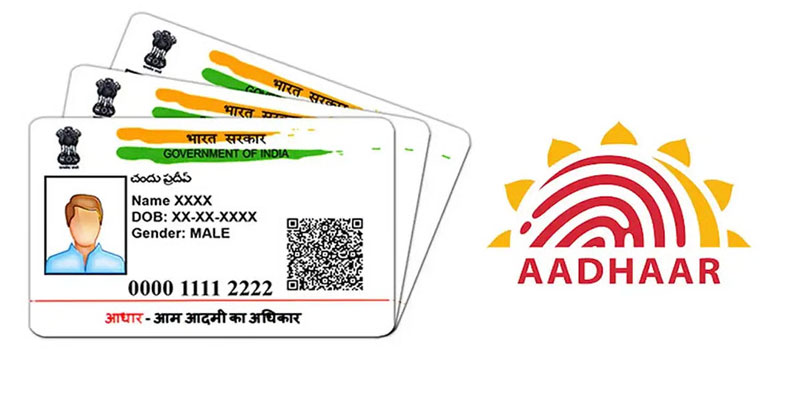
The Unique Identification Authority of India (UIDAI) has recently deactivated more than 2 crore Aadhaar numbers belonging to deceased individuals, marking one of the most extensive clean-up operations in the history of India’s digital identity system. This large-scale action, driven by the need to enhance the authenticity and precision of the Aadhaar database, aims to curb identity fraud and ensure that welfare benefits reach only rightful beneficiaries. The initiative follows UIDAI’s cross-verification of Aadhaar records against death data sourced from the Registrar General of India (RGI), state and union territory administrations, central ministries, and departments managing welfare schemes such as the Public Distribution System (PDS) and the National Social Assistance Programme (NSAP).
A Strategic Step to Strengthen India’s Digital Identity Backbone
The clean-up initiative underscores the government’s broader commitment to modernizing and securing India’s digital identity ecosystem. With Aadhaar serving as the foundational ID for banking, welfare transfers, mobile connections, and a host of services, its accuracy is vital. UIDAI’s continuous validation efforts—conducted in collaboration with state agencies and financial institutions—serve as the first line of defense against identity misuse, particularly involving deceased individuals.
A crucial feature of Aadhaar management is its non-reassignment policy: once issued to a person, the number is never reused. Deactivating Aadhaar IDs of the deceased therefore becomes essential for preventing impersonation, illegitimate transactions, or fraudulent claims on government schemes. This initiative not only enhances database quality but also reinforces public trust in the system’s security.
Concerns Over Data Gaps and Wrongful Deactivation
Despite its importance, the clean-up effort has triggered concerns among experts and rights activists. India’s civil registration framework—especially in states with inadequate or outdated death documentation—continues to suffer from incomplete records. In such environments, the risk of wrongful Aadhaar deactivation becomes real. If the Aadhaar of a living individual is incorrectly disabled, the consequences can be severe: disruption of welfare benefits, halted bank transactions, or denial of essential services that rely on biometric authentication.
Critics argue that robust, fully digitized birth and death registration systems must be established before undertaking such large-scale data purges. Without comprehensive and reliable registration feeds, errors are inevitable. Activists warn that the burden of rectifying wrongful deactivation can unfairly fall on citizens, many of whom already face bureaucratic hurdles in accessing Aadhaar-related services.
UIDAI maintains that multiple layers of verification are in place to prevent such incidents and emphasizes ongoing improvements in data reconciliation through regular updates from official registration sources. However, the concerns highlight the fragility of relying on uneven state-level documentation for a program of national scale.
Strengthening the System While Safeguarding Citizens
The deactivation of over 2 crore Aadhaar numbers marks a crucial milestone in the effort to maintain the integrity of India’s digital identity architecture. By removing invalid records, UIDAI is reinforcing the foundation for secure service delivery and minimizing identity fraud. Yet, this significant step also exposes an urgent need: strengthening India’s civil registration system to ensure accuracy and prevent unintended exclusion.
As UIDAI continues refining its database, the balance between rigorous data integrity and protecting citizens from wrongful deprivation will remain central. A stronger, more reliable Aadhaar ecosystem depends not only on clean-up efforts but on building the underlying infrastructure that supports them.
(With agency inputs)