The United States and Iran have once again exchanged military strikes, deepening tensions in an already volatile Middle East. The latest round of hostilities followed Iran’s reported drone strike on a container vessel transiting the Strait of Hormuz earlier this week, prompting retaliatory US action against Iranian military assets. Iran subsequently targeted US-linked facilities in Bahrain and Kuwait, underscoring how rapidly the confrontation escalated. Although both sides have now reportedly agreed to halt attacks and resume diplomatic engagement, the emerging truce remains fragile, with regional flashpoints threatening to derail efforts at de-escalation.
How The Latest Escalation Unfolded
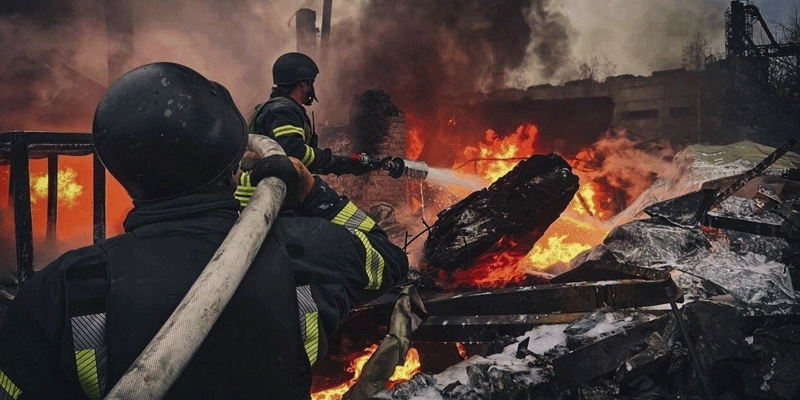
According to reports citing US officials, Washington and Tehran entered a cycle of retaliation after the Strait of Hormuz incident. The United States responded with strikes on Iranian military infrastructure, while Iran retaliated by targeting installations linked to the US presence in Bahrain and Kuwait.
The sequence of events illustrates how quickly isolated incidents can escalate into broader military confrontations. Rather than reflecting a sustained strategic offensive, the exchange highlighted a pattern of rapid retaliation in which each side sought to demonstrate resolve without necessarily pursuing an all-out war.
A Long-Running Strategic Rivalry
The latest confrontation is rooted in decades of hostility between Washington and Tehran, shaped by disputes over Iran’s regional influence, military capabilities, sanctions and maritime security.
The Strait of Hormuz remains central to these tensions. As one of the world's most critical energy transit routes, any disruption to shipping carries global economic implications. The US has consistently maintained a significant naval presence in the Gulf to safeguard maritime commerce, while Iran has sought greater influence over security arrangements in the waterway, making the region a recurring flashpoint.
Ceasefire Agreement and Doha Talks
Despite the exchange of strikes, US officials have said both governments have agreed to suspend "kinetic activity" ahead of talks scheduled in Doha, Qatar. The agreement represents the first significant diplomatic opening since the latest crisis began.
However, the arrangement is already under pressure. Reports indicate disagreements persist over maritime coordination in the Strait of Hormuz. Iran reportedly seeks greater oversight of shipping movements, whereas Washington maintains that previous understandings focused on avoiding military confrontations without granting Tehran unilateral control over maritime operations.
These unresolved differences suggest the Doha negotiations will focus more on preventing further escalation than achieving a comprehensive political settlement.
Regional Challenges Continue to Complicate Peace
The broader regional landscape remains highly unstable. Israel has continued military operations against Hezbollah positions in southern Lebanon despite the US-Iran understanding, while Tehran argues that de-escalation should extend across interconnected regional fronts.
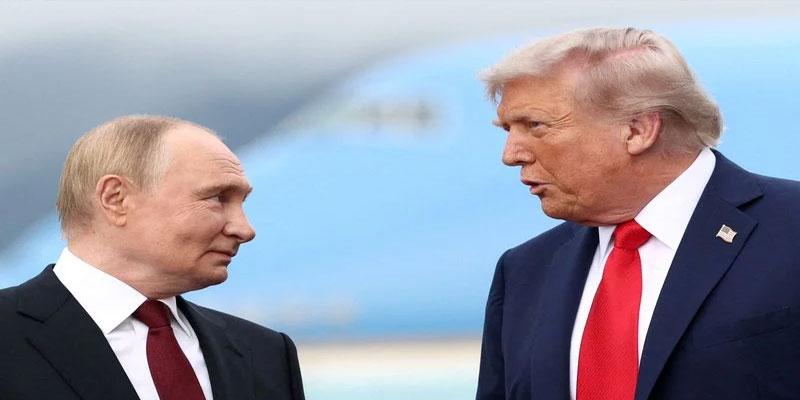
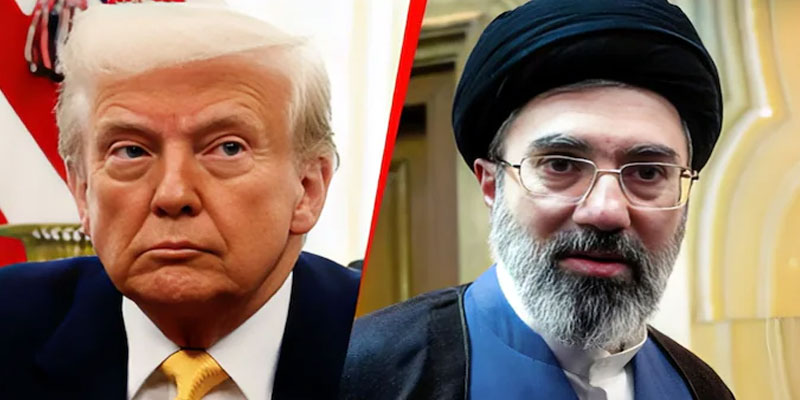
At the same time, US President Donald Trump has reportedly warned that Washington could "militarily complete the job" if Iran fails to honour the agreement. Such rhetoric reinforces deterrence but also increases the possibility of miscalculation if either side perceives the other to have violated the fragile understanding.
A Fragile Pause, Not Lasting Peace
The reported agreement between the United States and Iran marks an important pause in active hostilities but falls well short of a durable peace. The underlying disputes over maritime security, regional influence, sanctions and military deterrence remain unresolved. The success of the Doha talks will ultimately depend on whether both sides can establish credible mechanisms to prevent further retaliation. Until then, the ceasefire should be viewed as a temporary effort to contain conflict rather than a definitive resolution to one of the Middle East's most enduring geopolitical rivalries.
(With agency inputs)