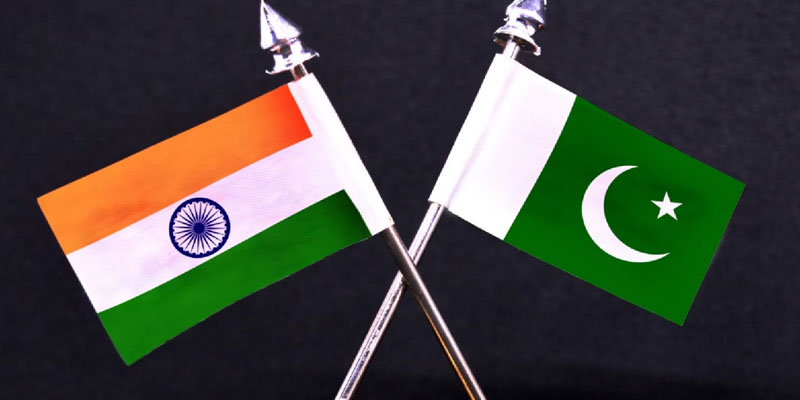
India has strongly rejected Pakistan's allegations linking New Delhi to the recent terrorist attack on a military installation in Karachi, describing the accusations as "baseless" and urging Islamabad to address terrorism within its own borders. The sharp diplomatic exchange comes amid heightened regional tensions following Pakistan's retaliatory airstrikes in eastern Afghanistan against suspected militant hideouts. As competing narratives emerge, the episode has once again highlighted the complex intersection of terrorism, regional security and India-Pakistan relations.
What Triggered the Diplomatic Exchange?
Following the terrorist attack on a military base in Karachi, Pakistan alleged that the assault had been carried out by an Indian proxy. The accusation was promptly rejected by India's Ministry of External Affairs (MEA), which categorically denied any involvement.
MEA spokesperson Randhir Jaiswal stated that the allegations were entirely without basis and accused Pakistan of attempting to divert attention from its own internal security challenges. He reiterated India's long-standing position that Pakistan should dismantle terrorist infrastructure operating from its territory instead of shifting responsibility to external actors.
The exchange reflects the recurring pattern of diplomatic friction that often follows major security incidents in the region.
Karachi Attack and Militant Landscape
Reports have linked the Karachi attack to Jamaat-ul-Ahrar, a militant faction associated with the Tehrik-i-Taliban Pakistan (TTP). The group has previously broken away from larger extremist organisations and has been involved in several high-profile attacks inside Pakistan.
The alleged involvement of a Pakistan-based militant faction is significant because it places the focus on the country's evolving domestic insurgency rather than external interference. Over the past several years, Pakistan has witnessed increasing attacks by militant groups operating along its western frontier, particularly after changing political and security dynamics in neighbouring Afghanistan.
The attack therefore reflects broader internal security challenges confronting Pakistan.
Regional Tensions Deepen
In response to the Karachi attack, Pakistan reportedly carried out airstrikes targeting suspected militant hideouts in Afghanistan's eastern provinces, including Paktia, Paktika and Kunar. Islamabad maintains that these operations were aimed at terrorist elements responsible for attacks inside Pakistan.
The cross-border military action illustrates how domestic security incidents can rapidly acquire regional dimensions, further complicating already strained relations between Pakistan and Afghanistan.
Against this backdrop, India's swift rejection of Pakistan's allegations also serves a broader diplomatic objective by distancing itself from an incident that reports associate with Pakistan's own militant ecosystem.
India's Position and Latest Developments
India has maintained that Pakistan's allegations lack credible evidence and represent an attempt to externalise responsibility for persistent internal security failures.
The latest developments indicate that while Pakistan continues military operations against suspected militants across the Afghan border, New Delhi has reiterated its consistent position that sustainable regional security depends on Pakistan taking effective action against terrorist organisations operating within or from its own territory.
The exchange has therefore evolved into both a diplomatic dispute and a broader debate over accountability in addressing terrorism.
Countering Terrorism Requires Accountability, Not Accusations
The latest war of words between India and Pakistan underscores how quickly terrorism-related incidents can escalate into wider diplomatic and regional security crises. While Pakistan continues confronting militant violence within its borders and along its western frontier, India has firmly rejected attempts to associate it with the Karachi attack without supporting evidence. Ultimately, lasting regional stability will depend less on competing accusations and more on credible counterterrorism measures, transparent investigations and sustained cooperation to address the root causes of militancy across South Asia.
(With agency inputs)