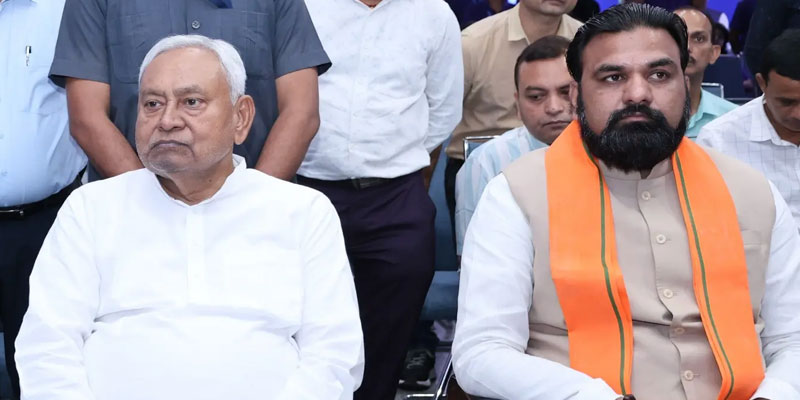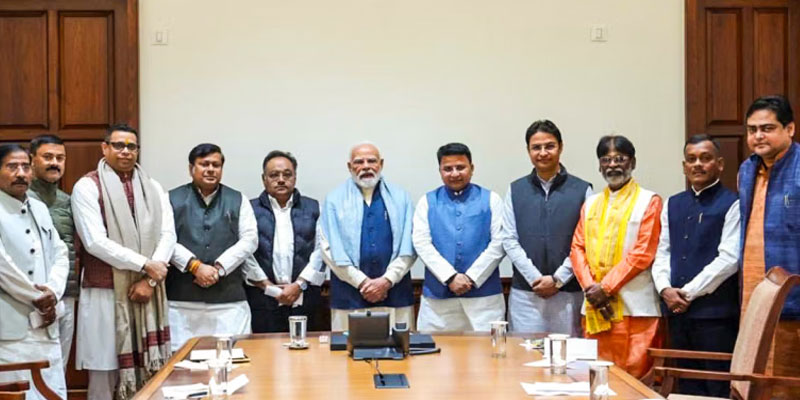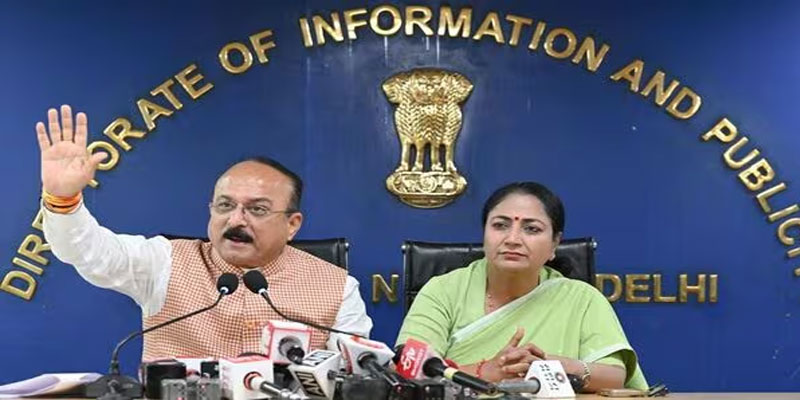

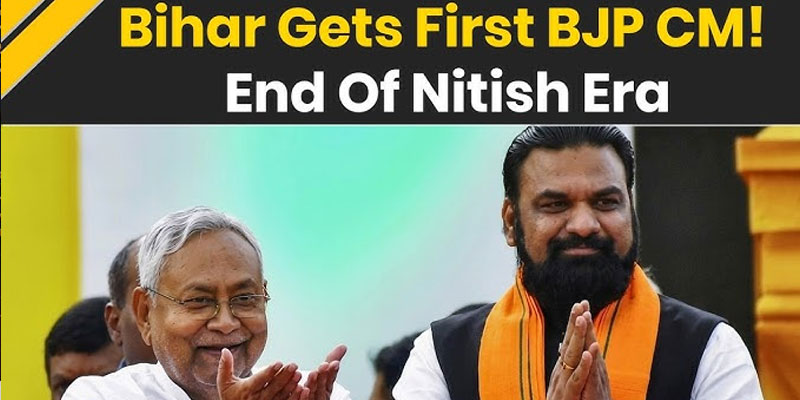
Bihar has entered a new political phase with the swearing-in of Samrat Choudhary as its first Bharatiya Janata Party (BJP) chief minister. This historic transition follows the resignation of Nitish Kumar, ending his long-standing dominance in the state. The development signals a decisive shift within the National Democratic Alliance (NDA), with the BJP now taking direct control of leadership in Bihar.
Samrat Choudhary: Background and Early Political Roots
Born on November 16, 1968, in Lakhanpur village in Munger district, Samrat Choudhary comes from a well-established political family. His father, Shakuni Choudhary, and mother, Parvati Devi, were both active in Bihar politics. He belongs to the Koeri-Kushwaha Other Backward Class (OBC) community, a key social group in the state’s electoral landscape.
Choudhary pursued higher education at Madurai Kamaraj University, earning a medical degree before entering politics in the 1990s. He began his career with the Rashtriya Janata Dal (RJD), winning the Parbatta assembly seat in 2000. He briefly served as agriculture minister under Rabri Devi, marking his early entry into governance.
Political Journey and Shift to the BJP
Choudhary’s political career reflects the fluid nature of Bihar’s alliances. After his stint with the RJD, he joined the Janata Dal (United) (JD(U)), where he served as urban development minister under Jitan Ram Manjhi between 2014 and 2015. He also held multiple terms as a Member of the Legislative Council.
A turning point came in 2017 when he joined the BJP. His rise within the party was swift—he became vice-president in 2018 and a key campaign figure in the 2020 elections. In 2023, he was appointed Bihar BJP president, a move aimed at consolidating support among Kushwaha voters, one of the largest OBC groups in the state. Known for his assertive political style, he gained attention for his strong opposition to Nitish Kumar.
Rise Within the NDA and Governance Role
Following the NDA’s political realignment in 2024, Choudhary was appointed deputy chief minister. He handled important portfolios including finance, home, health, and urban development. During this period, he presented a record budget and emphasized economic growth, employment generation, and administrative reforms.
As home minister, he focused on law and order, introducing measures such as anti-crime initiatives, fast-track courts, and programs aimed at improving women’s safety. His electoral win from Tarapur in 2025 further strengthened his position within the BJP and the NDA framework.
Nitish Kumar’s Exit and the Transition of Power
On April 14, 2026, Nitish Kumar resigned after serving multiple terms as chief minister over two decades. His move to the Rajya Sabha marked the end of an era in Bihar politics. This resignation cleared the path for BJP leadership in the state.
On April 15, 2026, Choudhary took oath as chief minister at Patna’s Lok Bhawan, administered by Governor Syed Ata Hasnain. His appointment was unanimously supported by NDA legislators, with senior leaders including Shivraj Singh Chouhan present, reflecting coalition unity.
A New Political Chapter for Bihar
Samrat Choudhary’s elevation marks a significant transformation in Bihar’s political structure. With the BJP now directly leading the government, the state is likely to see shifts in governance priorities, electoral strategies, and social coalitions.
Supporters view Choudhary as a strong organizational leader with grassroots appeal, while critics highlight his history of party changes and past controversies. Ultimately, his tenure will be judged by his ability to deliver stable governance and tangible development outcomes.
Bihar now stands at a critical juncture, transitioning from a long phase of coalition-led continuity under Nitish Kumar to a new era defined by BJP-led leadership and renewed political direction.
(With agency inputs)