Around 35,000 technology jobs could be on the chopping block this year as artificial intelligence (AI) increasingly transforms the way India’s IT industry operates. What initially appeared to be a temporary slowdown in hiring has evolved into a deeper structural shift, with staffing firms warning that AI-driven automation, weak global demand and changing business models are reshaping workforce requirements. The trend is marked by a growing number of "silent layoffs"—a less visible form of workforce reduction that is steadily altering employment patterns across the country's technology sector.
Layoffs Reflect a Changing IT Industry
India’s IT services industry has long been one of the country's largest private-sector employers, generating millions of high-skilled jobs over the past two decades. However, the sector has witnessed a series of workforce reductions over the past two years as major technology companies recalibrated hiring after the pandemic-driven recruitment surge.
Several leading IT firms have slowed fresh recruitment, deferred campus hiring, reduced lateral hiring and implemented performance-based exits amid weaker global technology spending. Companies have simultaneously increased investments in AI, cloud computing, cybersecurity and automation, shifting demand away from traditional software development and support functions.
The result is a gradual but significant restructuring of the industry's workforce rather than isolated cost-cutting exercises.
Rising Number of Silent Layoffs
According to staffing firm TeamLease, between 10,000 and 15,000 technology professionals had already experienced silent layoffs by May, with the total number of job losses expected to reach 25,000 to 35,000 by the end of 2026.
CIEL HR Services estimates that around 12,000 employees have already lost their jobs during 2026, with total layoffs likely to rise to 18,000–21,000 by year-end. Combined with workforce reductions during 2025, overall job losses across the two years could reach as many as 43,000 positions.
Unlike traditional layoffs, silent layoffs often occur through non-renewal of contracts, delayed replacement hiring, performance-linked exits, internal pressure to resign or transfers to less desirable roles. Because these measures rarely involve large public announcements, the full extent of workforce reductions often becomes visible only over time.
Why AI Is Accelerating Workforce Changes
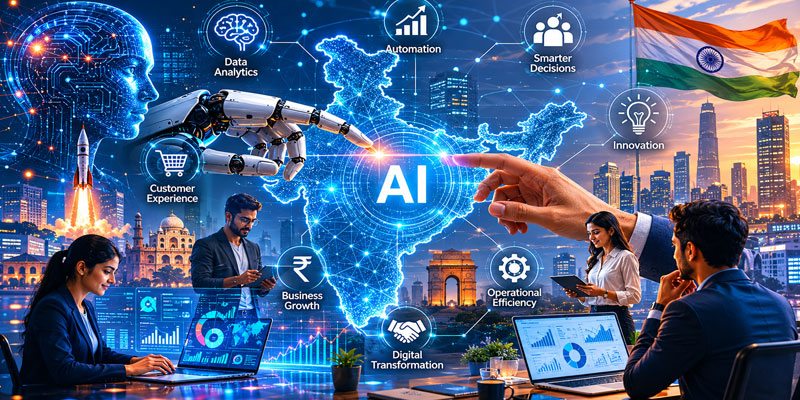
Artificial intelligence has emerged as a major catalyst behind the transformation, although it is not the sole reason. AI-powered tools are increasingly capable of handling coding, software testing, documentation, customer support and several routine operational tasks that previously required large delivery teams.
At the same time, slower client spending, reduced discretionary technology budgets, margin pressures and the end of pandemic-era hiring have encouraged companies to improve productivity with leaner workforces.
Rather than eliminating technology jobs altogether, companies are shifting recruitment towards specialised roles in AI engineering, cloud computing, cybersecurity, data analytics and digital transformation, while reducing demand for repetitive and lower-value functions.
Broader Economic and Workforce Impact
The slowdown carries implications beyond the IT sector. As one of India's largest employers of engineering graduates and skilled professionals, reduced hiring and workforce rationalisation could affect household consumption, urban employment and salary growth.
The changing employment landscape also places greater emphasis on continuous upskilling. Professionals entering the industry may face fewer entry-level opportunities, while experienced employees will increasingly need expertise in emerging technologies to remain competitive.
A New Era for India’s Tech Workforce
The ongoing wave of silent layoffs signals more than a cyclical downturn—it reflects a structural transformation in India's technology industry. AI is accelerating changes that were already underway, pushing companies towards leaner, more specialised and productivity-driven operating models. While the sector is unlikely to lose its importance as a growth engine, its employment model is evolving rapidly. For India's workforce, long-term success will increasingly depend on adaptability, advanced digital skills and continuous learning in an AI-driven economy.
(With agency inputs)