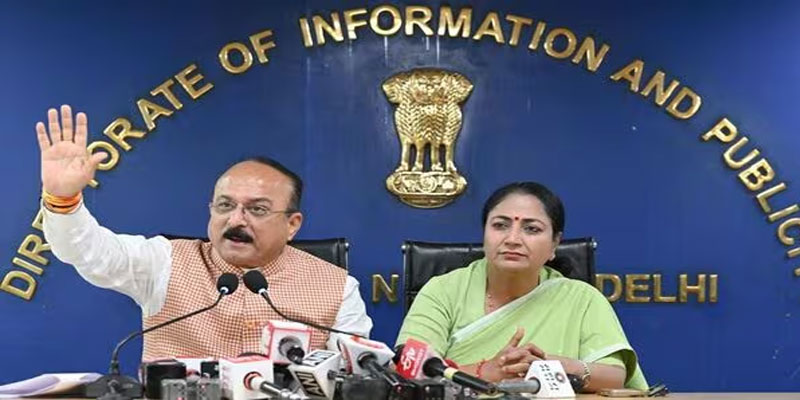
In a landmark move set to reshape the capital’s urban landscape, the Centre has approved “as-is where-is” regularisation of unauthorised colonies in Delhi, benefiting an estimated 45 lakh residents. The decision, covering 1,511 colonies, marks a decisive shift from temporary tolerance to formal legal recognition, offering long-awaited ownership clarity to millions living in planning grey zones.
A Policy Shift: From Compliance to Recognition
Announced by Manohar Lal Khattar, the move builds on the earlier PM-UDAY scheme launched in 2019. However, it significantly relaxes earlier requirements that had slowed progress.
Under the new framework, properties will be regularised in their existing form rather than being forced to meet idealised planning norms. This eliminates the need for pre-approved layout plans—a major hurdle under the previous system—and shifts the focus toward granting legal security instead of enforcing retrospective compliance.
Streamlined Process with Defined Timelines
To ensure efficiency, applications will be processed through the Municipal Corporation of Delhi’s SWAGAM portal, beginning April 24. The government has outlined a structured timeline:
· GIS-based surveys within 7 days of application
· Correction of deficiencies within 15 days
· Issuance of ownership documents within 45 days
Multiple agencies, including the Delhi Development Authority and local civic bodies, will coordinate to ensure smoother execution. This multi-agency approach aims to address past coordination failures that delayed implementation.
Why Earlier Efforts Fell Short
Despite its ambitious goals, PM-UDAY saw limited success. By March 2026, only around 40,000 ownership documents had been issued—far below expectations.
Several factors contributed to this shortfall. The lack of approved layouts made it difficult for residents to obtain building approvals, reducing the incentive to apply. Complex documentation requirements and fears of demolition or increased taxation further discouraged participation. Additionally, bureaucratic delays and poor coordination between agencies created bottlenecks.
The new “as-is where-is” model seeks to bypass these issues by aligning policy with on-ground realities rather than ideal planning frameworks.
Urban and Economic Implications
The decision carries significant implications for Delhi’s urban development. Regularisation will allow residents to access formal credit, legally transfer property, and benefit from improved infrastructure such as roads, drainage, and water supply.
For the government, it opens the door to planned investments and better service delivery in areas that were previously outside the formal system. Property values in these colonies are also likely to rise, boosting household wealth.
However, the move is not without risks. It may inadvertently encourage future unauthorised developments by signalling that violations could eventually be regularised. Environmental concerns and infrastructure strain in densely built areas also remain pressing challenges.
Implementation Challenges and Political Context
The success of this policy will depend heavily on execution. Meeting strict timelines for lakhs of applications will test administrative capacity. Without robust enforcement against new illegal constructions, the cycle of unauthorised expansion could continue.
Politically, the move positions the Centre as addressing a long-standing issue affecting a large voter base. It reflects an effort to convert informal settlements into formal urban assets while delivering tangible benefits to residents.
A Transformative Step with Long-Term Stakes
The “as-is where-is” regularisation marks a pragmatic shift in urban policy—recognising reality over rigid planning ideals. For millions of Delhi residents, it promises legal security and improved living conditions. Yet, its true success will depend on efficient implementation and sustained enforcement. If executed well, it could transform Delhi’s urban fabric; if not, it risks becoming another missed opportunity in the city’s long struggle with informal growth.
(With agency inputs)