A Sudden Reversal Rekindles Global Anxiety
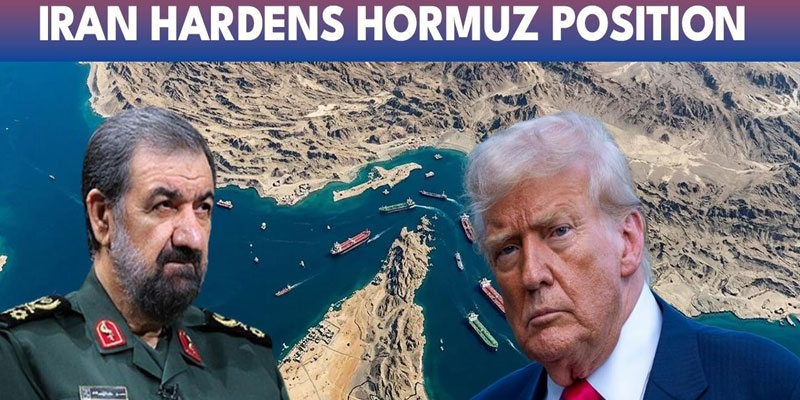
Just days after announcing the reopening of the Strait of Hormuz, Iran has threatened to shut it again, accusing the United States of violating the terms of a fragile ceasefire. The renewed tension follows Iran’s declaration on April 17, 2026, that the vital shipping corridor was “completely open” to commercial vessels after nearly seven weeks of disruption. However, that optimism proved short-lived. Iranian leaders now argue that continued US naval restrictions on Iranian ports undermine the agreement, pushing the region back toward uncertainty and raising fresh concerns for global energy markets.
From Reopening to Renewed Threats
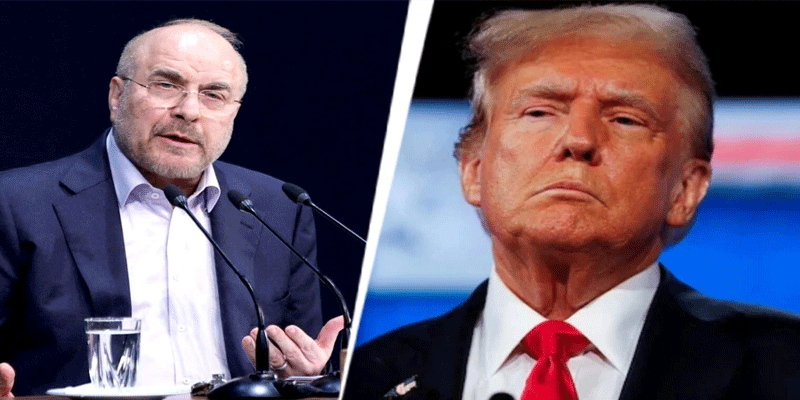
The crisis traces back to the US-Iran conflict that escalated in early March, leading to Iran’s blockade of the Strait of Hormuz—through which roughly a fifth of the world’s oil supply flows. The reopening briefly eased markets, even triggering a sharp drop in oil prices. Former US President Donald Trump publicly welcomed the move but simultaneously reaffirmed that a naval blockade on Iranian exports would remain in place until a broader peace deal was reached.
This dual stance has become the central point of contention. Iran’s Parliament Speaker Mohammad Bagher Ghalibaf warned that the strait would not remain open if restrictions continued, signaling a conditional approach to maritime access.
Iran’s Position: Accusations of Non-Compliance
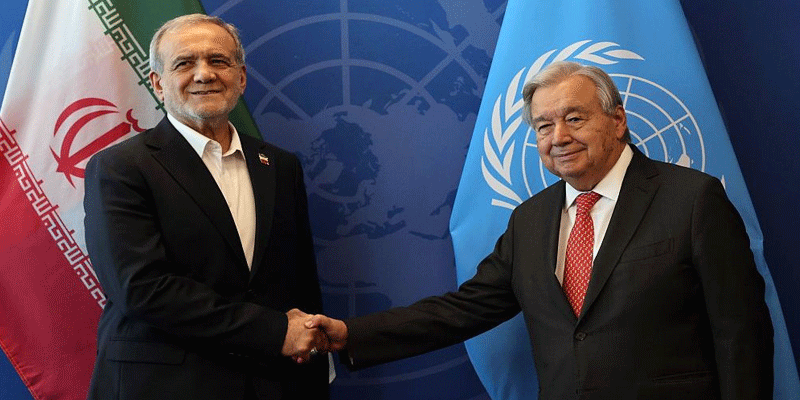
Iranian officials argue that the US has failed to honor key aspects of the ceasefire. Foreign Minister Abbas Araghchi has cited ongoing port restrictions and delays in releasing frozen funds as evidence of non-compliance. Military leaders have also escalated rhetoric, warning that continued pressure on Iranian shipping could lead to broader disruptions across the Gulf and even the Red Sea.
From Tehran’s perspective, the reopening of the strait was contingent on reciprocal actions. The continued interception of vessels and limited port access are viewed as violations, prompting threats to reimpose restrictions.
The US Stance: Strategic Pressure Without Full Closure
The United States, meanwhile, maintains that its actions are part of a broader strategy to enforce sanctions and push Iran toward negotiations on nuclear and regional issues. While not officially declaring a closure of the strait, Washington has continued to monitor and restrict Iranian-linked shipping. This approach reflects a balancing act—preventing a total disruption of global oil flows while maintaining leverage over Tehran.
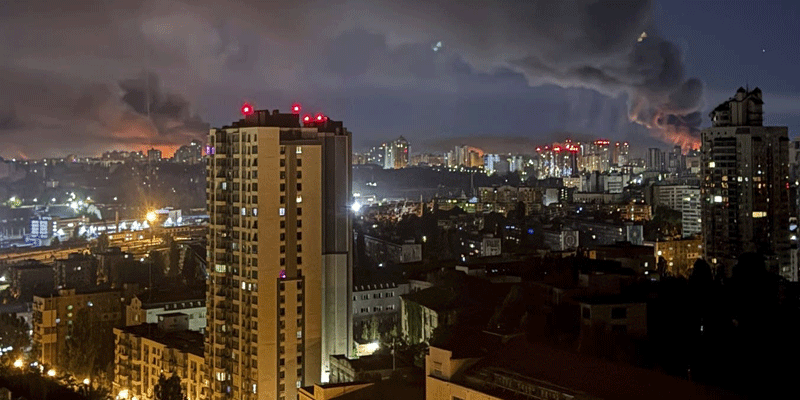
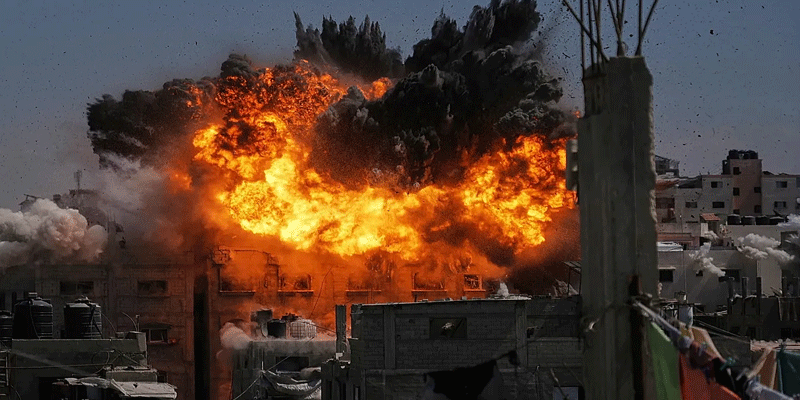
The situation is further complicated by overlapping global pressures, including disruptions in other energy corridors and ongoing geopolitical tensions elsewhere.
Economic and Global Implications
The Strait of Hormuz handles approximately 20 to 21 million barrels of oil per day, making it one of the most critical chokepoints in the global energy system. Any renewed closure or even the threat of disruption can trigger sharp price spikes, potentially pushing oil back above $100 per barrel.
Major importers such as India and China are particularly vulnerable, as they rely heavily on Gulf supplies. The uncertainty also adds volatility to already strained markets, affecting inflation, trade balances, and economic stability worldwide.
A Fragile Truce with Global Consequences
The latest standoff over the Strait of Hormuz highlights how fragile the current ceasefire remains. What was briefly seen as a step toward stabilization has quickly turned into a renewed flashpoint. With both sides holding firm to their positions, the risk of escalation persists. For the global economy, the stakes are immense—any prolonged disruption could ripple across markets and supply chains. Ultimately, the path forward depends on whether diplomacy can bridge the gap between competing demands or whether strategic brinkmanship will once again dominate the region.
(With agency inputs)