A Strategic Call in Uncertain Times
Amid rising geopolitical tensions, Defence Minister Rajnath Singh has made a strong case for India to emerge as a global hub for drone manufacturing. Speaking at the National Defence Industries Conclave 2026, he noted that lessons from recent conflicts—from Ukraine to West Asia—highlight how drones have become central to modern warfare. Singh stressed that India must act in “mission mode” to achieve self-reliance in this critical sector by 2030, or risk strategic dependence on foreign technologies.
Drones and the Changing Nature of Warfare
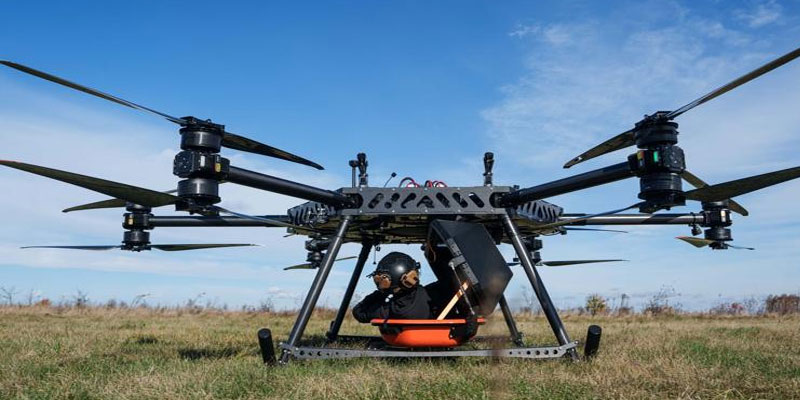
Modern conflicts have redefined the role of drones. From surveillance and precision strikes to logistics and electronic warfare, unmanned systems now shape battlefield outcomes. Low-cost drones and advanced loitering munitions have proven their ability to alter military economics, making them indispensable for both offense and defense. For India, facing security challenges along multiple borders, reliance on imported drone technology poses risks not only to defence preparedness but also to long-term strategic autonomy.
Government Incentives for Drone Manufacturing
Production-Linked Incentive (PLI) Scheme
A key pillar of India’s drone strategy is the Production-Linked Incentive (PLI) scheme introduced in 2021. With an outlay of ₹120 crore, the scheme offers a 20% incentive on value addition for drone and component manufacturers. This flat incentive rate—unlike other PLI schemes—encourages sustained investment. The government has also lowered the minimum value-addition requirement to 40%, making it easier for companies to qualify while promoting localisation of production.
Import Restrictions and Regulatory Reforms
To boost domestic manufacturing, India has imposed restrictions on the import of fully built drones, except for specific purposes like R&D and defence. This “India-first” policy ensures that domestic players have a protected market to grow. Complementing this are the Drone Rules 2021, which simplify compliance by reducing paperwork and easing approval processes. The DigitalSky platform further streamlines registration and operational permissions, making it easier for startups and manufacturers to enter the ecosystem.
Innovation Challenges and Defence Support
At the Conclave, the government launched 101 innovation challenges aimed at startups and MSMEs. These initiatives, supported by Defence Public Sector Undertakings, provide mentorship, access to testing facilities, and integration into defence supply chains. Programs like iDEX and procurement reforms such as Make-II further encourage indigenous development by allocating budgets for startup-led innovations in drones and counter-drone systems.
Emerging “Drone Shakti” and State Incentives
Looking ahead, the proposed “Drone Shakti” mission aims to scale up the sector with larger financial support, including investment subsidies and output-linked incentives. Several states, including Gujarat, Telangana, and Tamil Nadu, are also offering additional benefits such as land subsidies, tax refunds, and R&D support, creating a layered incentive ecosystem.
Industrial and Strategic Implications
If executed effectively, India’s drone push could position it as a major exporter to emerging markets, offering cost-effective alternatives to Western and Chinese systems. Beyond defence, drones have significant civilian applications in agriculture, logistics, mining, and disaster management. However, challenges remain, including supply-chain dependencies, infrastructure gaps, and access to scale-up capital.
From Ambition to Execution
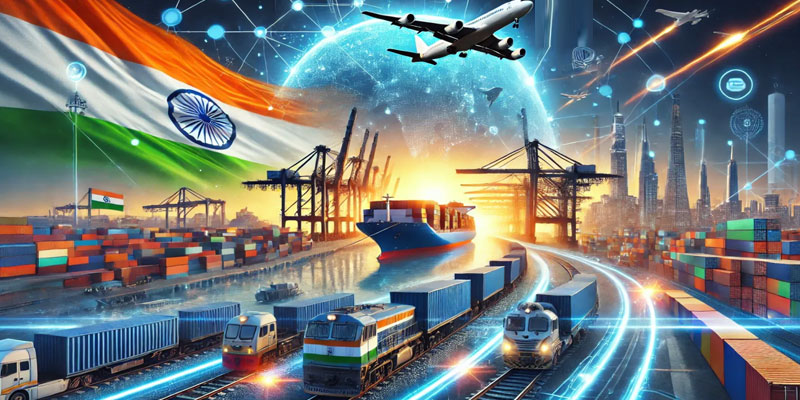
India’s vision of becoming a global drone manufacturing hub reflects both strategic necessity and economic opportunity. Government incentives, regulatory reforms, and innovation-driven policies provide a strong foundation. Yet, success will depend on execution—building robust supply chains, fostering innovation, and ensuring scalability. In an era where drones define both warfare and industry, India’s ability to seize this moment will determine whether it becomes a global leader or remains an aspiring player.
(With agency inputs)