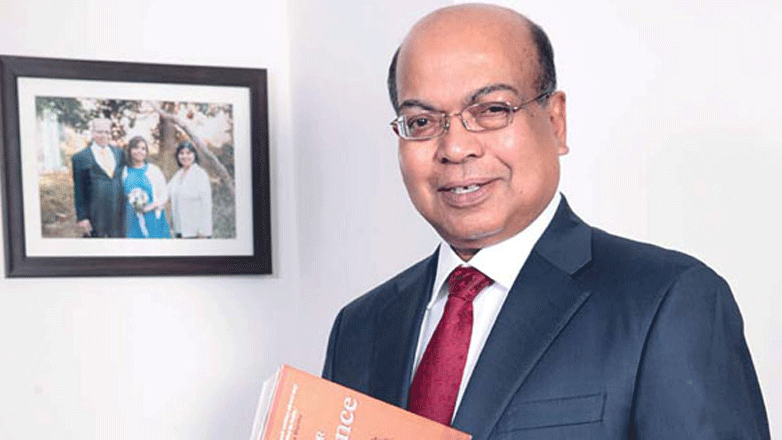
A UK court has rejected Nirav Modi’s plea to reopen his extradition case, clearing the path for his return to India after years of legal battle in the high-profile Punjab National Bank (PNB) fraud case. The March 25, 2026 ruling by the King’s Bench Division effectively exhausts his legal options in the United Kingdom, bringing one of India’s most prominent economic offender cases closer to closure.
The Case That Shook India’s Banking System
Nirav Modi, a diamond business man and nephew of Mehul Choksi, stands accused of orchestrating a massive banking fraud involving fraudulent Letters of Undertaking (LoUs) issued by PNB. The scam, estimated at over ₹13,800 crore, came to light in 2018, shortly after Modi fled India.
Investigations by the Central Bureau of Investigation (CBI) and the Enforcement Directorate (ED) revealed a complex web of financial manipulation, alleged bribery of bank officials, and laundering of funds through international channels. Arrested in London in March 2019, Modi has since been contesting extradition through multiple legal avenues.
Why the UK Court Rejected His Plea
Modi’s latest attempt hinged on introducing “new evidence,” drawing parallels with another case where extradition was blocked over concerns of custodial torture. His legal team argued that he risked ill-treatment in India, potential interrogation by multiple agencies, and unsafe prison conditions.
However, the UK court found these arguments insufficient. It ruled that the circumstances did not meet the threshold of “exceptional” injustice required to reopen the case. Crucially, the court upheld earlier findings that India’s assurances regarding fair trial, humane prison conditions, and protection from multiple-agency interrogation were credible and binding.
This decision reinforces earlier rulings from 2021 and 2022, effectively closing the door on further appeals within the UK legal system.
India’s Assurances and Diplomatic Weight
A key factor in the ruling was India’s consistent diplomatic and legal engagement. Authorities assured that Modi would be housed in Mumbai’s Arthur Road Jail under monitored conditions and would not face custodial excesses.
UK judges placed significant trust in these commitments, reflecting growing confidence in India’s judicial and prison systems. This aligns with precedents seen in cases involving other high-profile fugitives, strengthening India’s position in international extradition matters.
What Happens Next
With judicial remedies exhausted, the process now moves to the UK Home Secretary, who will issue the final extradition order. Once approved, Modi could be extradited to India within months.
Upon return, he is expected to face trial in Mumbai under CBI and ED charges, including fraud, money laundering, and witness tampering. The proceedings could also accelerate asset recovery efforts, with authorities already having attached thousands of crores worth of properties linked to the case.
A Turning Point in Fugitive Accountability
The UK court’s decision marks a significant milestone in India’s pursuit of economic offenders who flee its jurisdiction. It underscores the growing effectiveness of legal, diplomatic, and institutional mechanisms in bringing such individuals to justice.
For Nirav Modi, the legal road in the UK has effectively ended. For India, this is more than just one extradition—it is a signal that financial crimes will face consequences, no matter how far the accused may run.
(With agency inputs)