Trump and Netanyahu Explored All Iran Options, Including Attack
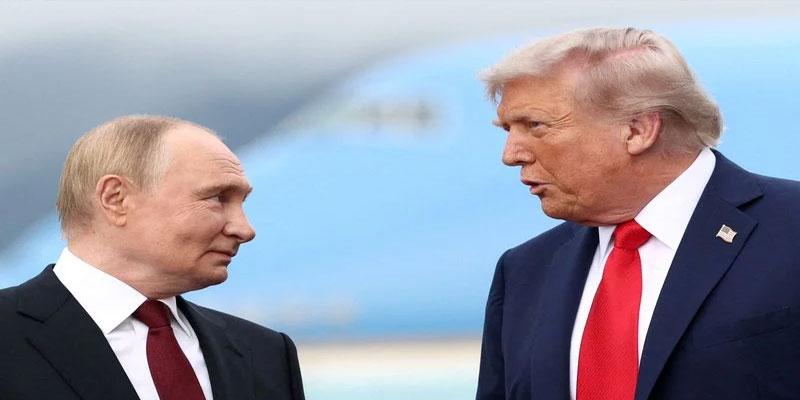
US President Donald Trump and Israeli Prime Minister Benjamin Netanyahu have reaffirmed their shared commitment to preventing Iran from acquiring a nuclear weapon, even as they continue to differ on the preferred path to achieve that objective. According to a senior Israeli official briefed after their latest White House meeting, the two leaders discussed every available option—including diplomacy, intensified sanctions and even the possibility of a "massive strike"—highlighting that while military action remains on the table, it is not yet the preferred or inevitable course of action.
Shared Goal, Different Approaches
Iran's nuclear programme has remained at the heart of US-Israel strategic cooperation for decades. Israel considers a nuclear-armed Iran an existential security threat, while Tehran continues to maintain that its nuclear programme is intended solely for peaceful civilian purposes.
This long-standing disagreement has repeatedly produced alternating phases of diplomatic negotiations, economic sanctions and military confrontations rather than a lasting settlement.
The latest meeting followed a fresh round of US military strikes against Iranian-linked targets earlier this month, which prompted retaliatory attacks by Iran on American military installations in the region. Although Israel did not directly participate in those US operations, it has consistently maintained that it would respond decisively if its security were threatened.
Latest Developments: Strategic Flexibility Over Immediate Escalation
According to the senior Israeli official, Trump and Netanyahu discussed three broad strategic options: pursuing a diplomatic agreement with Iran, maintaining economic blockades and sanctions, or launching a major military strike.
While Netanyahu reportedly expressed scepticism about the prospects of a successful diplomatic agreement, he stopped short of urging Trump to authorise immediate military action. That distinction is significant because it indicates that Israel is allowing Washington space to continue negotiations while ensuring that military pressure remains a credible alternative.
Rather than committing to a single strategy, both leaders appear to have chosen to preserve strategic flexibility as the regional security environment remains volatile.
Key Takeaways from the White House Talks
· Trump and Netanyahu reaffirmed their common objective of preventing Iran from acquiring nuclear weapons.
· The meeting explored diplomacy, economic sanctions and military action as parallel policy options.
· Israel did not press the United States for immediate additional strikes despite discussing military scenarios.
· Washington appears determined to keep negotiations alive while retaining credible military deterrence.
· Israel remains sceptical about Iran's willingness to reach a durable diplomatic settlement.
· The discussions reflect coordination between allies without complete agreement on tactical implementation.
· Iran is likely to interpret the meeting as evidence that diplomacy continues under the shadow of possible military action.
Why the Meeting Matters
The discussions underscore an important nuance in the US-Israel relationship. While both governments remain united on the strategic objective of preventing Iran's nuclear advancement, they have historically differed on how best to achieve it. Washington has often alternated between negotiations and sanctions, whereas Israel has consistently argued that sustained pressure—and, if necessary, military force—is essential to eliminate the threat.
For Iran, this dual-track approach sends a mixed but deliberate signal. Diplomatic engagement remains possible, yet the threat of military action continues to influence negotiations. Such an environment complicates mediation efforts, as trust becomes increasingly difficult to establish when coercive options remain openly under consideration.
Diplomacy and Deterrence Now Move Hand in Hand
The latest Trump-Netanyahu meeting demonstrates that diplomacy has not been abandoned, but neither has the possibility of force. Instead of signalling an imminent military campaign, the talks reflect a strategy of keeping every option available while responding to an evolving regional landscape. This calibrated approach preserves negotiating leverage but also raises the stakes for all parties involved. Whether the coming weeks produce renewed diplomacy or another cycle of confrontation will depend largely on Iran's response and the willingness of regional and global stakeholders to prevent further escalation.
(With agency inputs)