Kathmandu in Flames, Leadership in Disarray
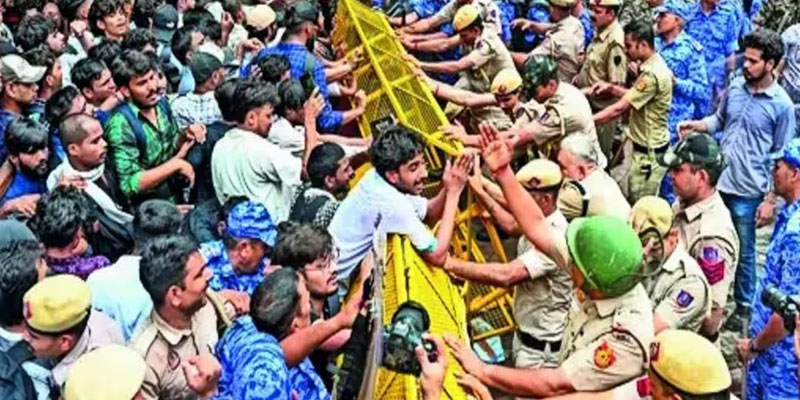
In just 24 hours, Nepal’s simmering discontent boiled over into violent street clashes, airport shutdowns, and political upheaval. Kathmandu, once a magnet for tourists and traders, turned into a city of barricades and burning tyres. At the center of this crisis lies a political class that has failed its citizens repeatedly — unable to offer governance, accountability, or even basic stability. While Prime Minister Narendra Modi has expressed anguish at the tragic loss of young lives and appealed for calm, Nepal’s leaders seem more preoccupied with saving their own legacies than addressing the grievances of an enraged generation.
Modi’s Call for Stability: A Neighbour’s Concern
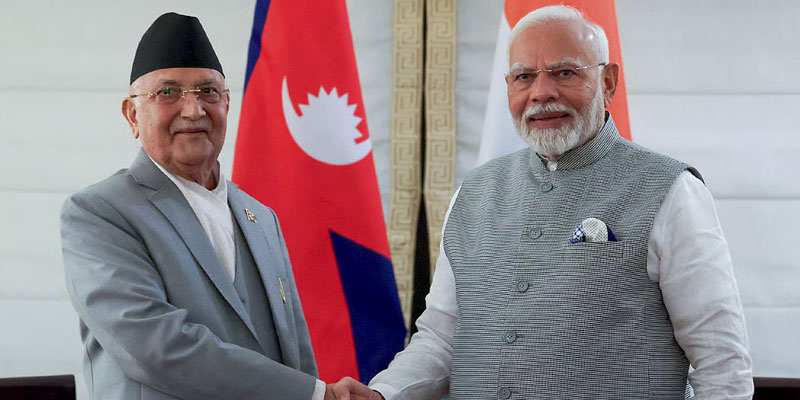
In New Delhi, Prime Minister Modi convened the Cabinet Committee on Security to assess the rapidly deteriorating situation. He was unequivocal: Nepal’s peace and prosperity are essential, not just for Nepalis but for the region as a whole. His statement carried both empathy and strategic urgency, as India cannot afford chaos across its open border. Modi’s appeal for dialogue, restraint, and reconciliation sounded statesmanlike — a stark contrast to Nepal’s leaders, many of whom were either resigning, defending themselves against corruption charges, or cowering as mobs attacked their residences.
An Airspace of Uncertainty: Kathmandu Isolated
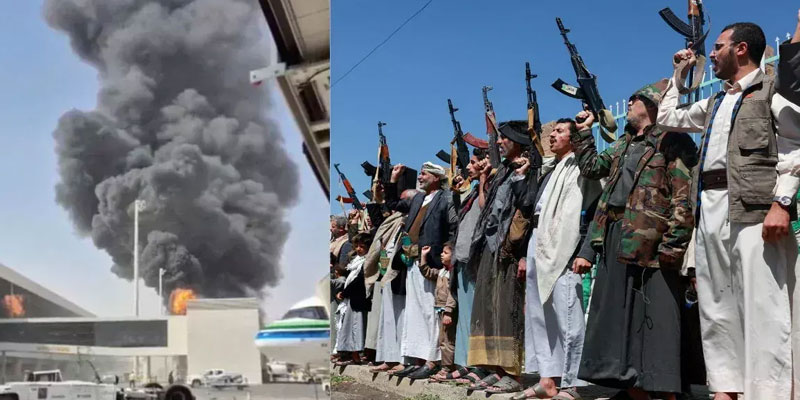
The closure of Kathmandu airport — and the cancellation of flights by Air India, IndiGo, SpiceJet, and even Nepal Airlines — symbolized Nepal’s descent into dysfunction. Air India jets had to turn back mid-air due to smoke near the runway, leaving passengers stranded and families worried. For a country that relies heavily on tourism and cross-border mobility, these disruptions are devastating. The government’s inability to safeguard even the nation’s main airport is a glaring indictment of its paralysis.
Border Watch: India Prepares for Spillover
India has had to step up where Nepal falters. Security has been tightened along the West Bengal–Nepal border, with additional police forces and the Sashastra Seema Bal placed on high alert. New Delhi also issued a travel advisory urging Indian citizens to stay indoors, avoid crowds, and call emergency helplines if necessary. That India must mobilize its resources to mitigate fallout from Kathmandu’s incompetence speaks volumes about Nepal’s governance vacuum.
Nepal Army’s Intervention: Symptom of Political Failure
When politicians resign and protesters rage, the army steps in — and that is exactly what happened after Prime Minister K. P. Sharma Oli bowed out. The Nepal Army declared it would take charge of security operations, warning against “groups exploiting unrest.” But this intervention only underscores how fragile Nepal’s democracy remains. When generals must pick up the piece’s politicians scatter, it is not a show of strength but of systemic collapse.
Youth vs. Elites: The Real Divide
At the heart of this crisis is a generational uprising. Young Nepalis, angered first by a reckless social media ban and then by rampant corruption, poured onto the streets. The deaths of 19 protesters at the hands of police poured fuel on the fire. Their fury is directed squarely at the political class — a coterie of recycled leaders who have clung to power for decades while living in luxury.
The torching of former Prime Minister Jhala Nath Khanal’s home — where his wife tragically lost her life — is a tragic but telling symbol of how deep the rage runs. When even the residences of serving and former leaders like Pushpa Kamal Dahal, Sher Bahadur Deuba, and President Ramchandra Paudel are targeted, it is clear: the people no longer see their leaders as protectors, but as parasites.
The Rotten Core of Nepal’s Politics
Nepal’s political class has squandered every opportunity since the democratic transition. Instead of strengthening institutions, leaders have treated the state as their private fiefdom. Corruption scandals, opportunistic alliances, and cynical crackdowns have hollowed out public trust. Oli’s resignation was less an act of responsibility than a desperate attempt to escape accountability. The youth-led protests are not merely about a social media ban — they are about decades of betrayal.
A Warning and an Opportunity
The crisis in Nepal is a cautionary tale of what happens when leaders stop listening to their people. The anger of Generation Z cannot be quelled by curfews or soldiers; it demands genuine reform and a political class willing to reinvent itself. If Nepal’s leaders continue on their current path, they risk pushing the country into prolonged instability and losing an entire generation’s faith in democracy.
For India, and for Prime Minister Modi in particular, the stakes are high. A peaceful and prosperous Nepal is vital for regional stability. Modi’s appeal for calm and his emphasis on dialogue reflect both neighbourly concern and strategic necessity. But India cannot substitute for leadership in Kathmandu. The responsibility lies squarely with Nepal’s elites to shed arrogance, confront corruption, and finally prioritize the people they claim to serve.
(With agency inputs)