A Relationship Tested, Yet Resilient
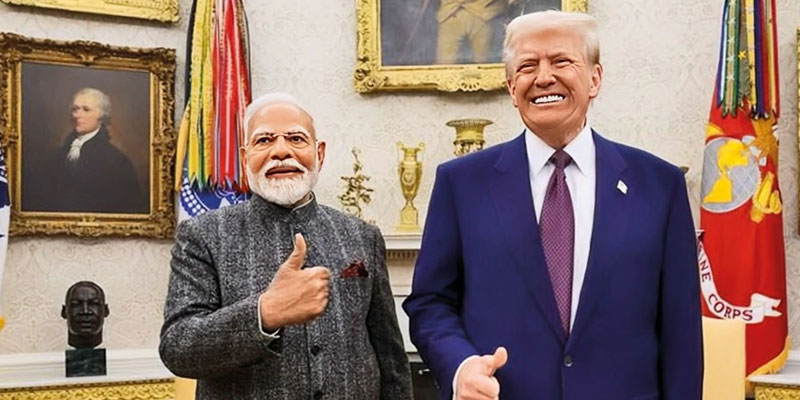
India and the United States share a partnership defined by both cooperation and friction. Trade disputes—particularly on tariffs—have periodically clouded the relationship. Yet, the personal rapport between Prime Minister Narendra Modi and President Donald Trump has often acted as a stabilizing force. Recent friendly exchanges on social media have reignited optimism, suggesting that both sides may be ready for a reset. Against this backdrop, the possibility of Trump traveling to India for the Quad Leaders’ Summit later this year signals a potential turning point.
Ambassadorial Assurance at Senate Hearing
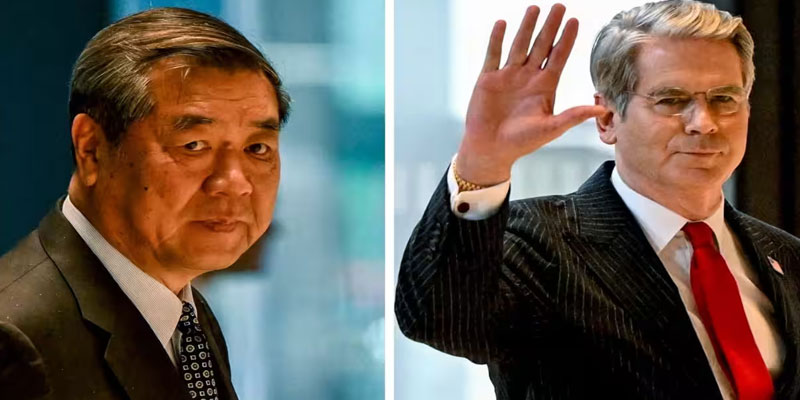
Sergio Gor, Trump’s nominee to serve as the next U.S. Ambassador to India, revealed during his Senate confirmation hearing that the president remains “fully committed” to engaging with Quad leaders. While avoiding a firm timeline, Gor confirmed that discussions are underway for Trump’s visit to India, likely coinciding with the November summit. His remarks came shortly after reports hinted that Trump had abandoned such travel plans. The assurance from Gor, a trusted Trump aide, strongly suggests the visit is back in play.
Modi’s Invitation and Trump’s Response
The groundwork for this possible trip was laid during a call between Modi and Trump on June 17. According to the Indian account, Modi extended a formal invitation, which Trump accepted. The two leaders are expected to speak again soon to finalize details. Should the visit materialize, it will reaffirm India’s centrality to the Quad—an alliance that includes the U.S., Japan, and Australia—focused on maintaining stability and balance in the Indo-Pacific region.
Friendship Amid Disagreements
Despite periodic tensions, particularly over trade, Gor emphasized the depth of Trump’s personal bond with Modi. He described their relationship as “incredible,” noting that while the U.S. president has often criticized other global leaders, he consistently singles out Modi for praise. Gor highlighted that progress on resolving the tariff issue—specifically the contentious 50 percent duties on Indian goods—was within reach, suggesting that both countries were “not that far apart” from a settlement.
Navigating Energy and Strategic Challenges
Another pressing issue discussed was India’s reliance on Russian oil. Gor underlined that persuading India to reduce purchases from Moscow is a top priority for Washington, especially as the U.S. seeks to tighten sanctions on Russia. He acknowledged, however, that the path forward requires careful dialogue and cooperation, given India’s energy security needs. This signals that while friction points exist, Washington intends to engage rather than dictate.
Toward a Constructive Future
The possibility of Trump’s India visit offers more than symbolic value. It reflects a willingness on both sides to address difficult issues without losing sight of the broader strategic partnership. Trade disputes, tariff negotiations, and energy choices remain hurdles, but the personal chemistry between Modi and Trump provides a foundation to move forward.
From Discord to Opportunity
India and the U.S. stand at a crossroads—where old irritants threaten to stall progress, yet renewed leadership engagement could reset the tone. A presidential trip to New Delhi for the Quad Summit would not only strengthen the Indo-Pacific alliance but also signal that the world’s largest democracies can rise above differences to pursue shared goals. If successful, it could transform tensions into opportunities, shaping a more resilient partnership for years to come.
(With agency inputs)