Washington Tightens the Screws
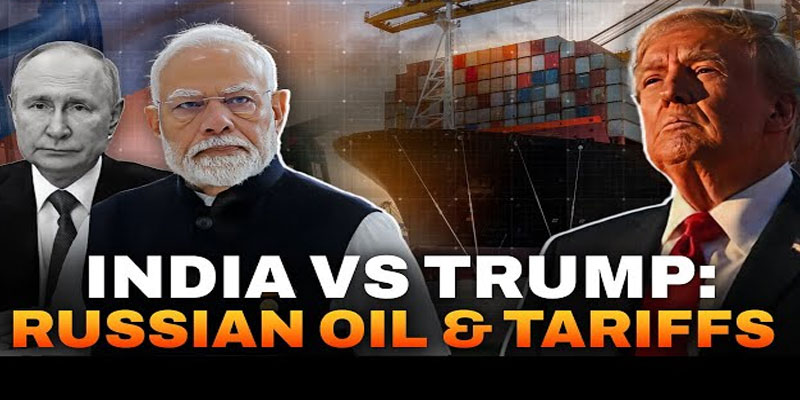
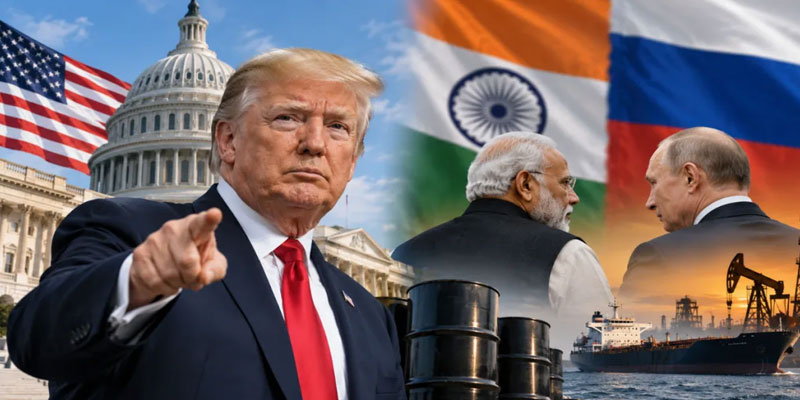
The Trump administration has sharply escalated economic pressure on nations maintaining trade ties with Russia, threatening “very severe” sanctions and imposing some of the steepest tariffs in recent memory—including a punitive 50% duty on Indian imports. The move marks the most aggressive phase yet in Washington’s push to financially isolate Moscow as the Ukraine war grinds on.
The latest salvo aligns with growing momentum in the U.S. Senate, where lawmakers are advancing the Sanctioning Russia Act of 2025, a sweeping bill designed to punish countries seen as indirectly fueling Russia’s war machine through continued energy purchases.
A Sanctions Regime Under Strain
Since Moscow’s 2022 invasion of Ukraine, the United States and its allies have rolled out unprecedented sanctions aimed at crippling Russia’s financial system and cutting off revenue that supports its military operations. Yet, despite these measures, major global economies—including China, India, and Brazil—continued buying Russian oil at discounted prices.
This sustained demand weakened the intended impact of Western sanctions and kept Russia’s energy earnings flowing, frustrating U.S. policymakers who viewed such purchases as undermining Ukraine’s defense.
In response, the Trump administration hardened its stance in 2025. Tariffs targeting countries trading with Russia were rolled out in phases, beginning with a 25% levy on Indian imports. When India’s Russian oil purchases surged again later in the year—contrary to diplomatic assurances—the U.S. added another 25% penalty, bringing the total tariff burden to 50%.
The Sanctioning Russia Act of 2025: Washington’s New Hammer
The legislative backbone of this expanded economic offensive is the Sanctioning Russia Act of 2025, introduced by Senators Lindsey Graham and Richard Blumenthal. The bipartisan bill gives the President extraordinary authority to impose secondary sanctions and tariffs of up to 500% on imports from nations that continue significant economic engagement with Russia.
With 85 Senate cosponsors, the bill signifies rare cross-party unity in Washington. Its scope extends far beyond Russia, targeting states and private entities that indirectly bolster Moscow’s economy by purchasing Russian energy or facilitating financial transactions. The model mirrors U.S. sanctions against Iran—broad, extraterritorial, and designed to deter international partners from circumventing Western pressure.
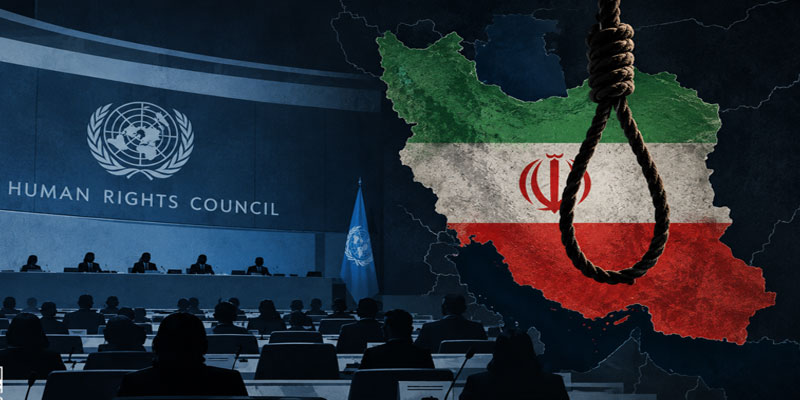
President Trump has openly endorsed this hardline framework, vowing “very tough sanctioning” not only against Russia’s partners but potentially against Iran as well, signaling a strategic merger of sanctions agendas.
Impact on India and the Global Order
India finds itself in a tightening bind. As one of the world’s fastest-growing energy consumers, it has long relied on diverse and affordable supplies to fuel its economy. Russian oil—discounted and stable—has become a major part of that strategy.
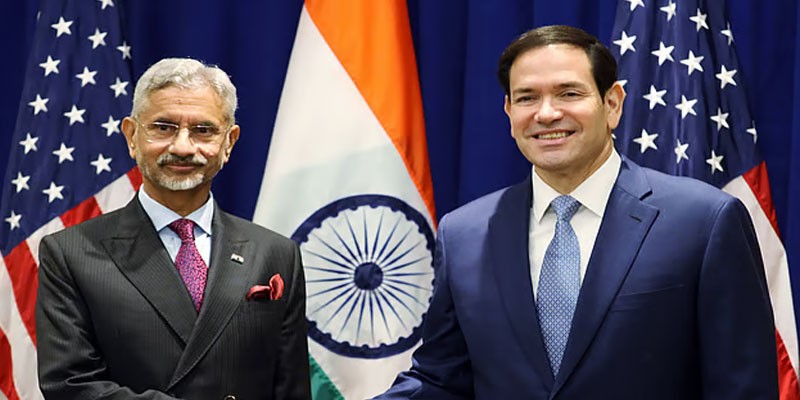
While India has expanded U.S. energy purchases, including new liquefied petroleum gas (LPG) contracts, a sudden and sharp pivot away from Russian crude remains economically impractical. Washington’s tariffs have strained bilateral trade but have not yet significantly altered India’s energy calculus.
The broader fallout of these measure risks deepening strategic rifts between the U.S. and major Asian powers. China and India, both asserting autonomy in foreign policy, view Washington’s sanctions as overreach—an attempt to reshape global energy flows through coercive economic leverage.
Economic Warfare Enters a New Phase
The Trump administration’s tariff escalation and the Senate’s sweeping sanctions bill mark a decisive shift toward full-spectrum economic warfare aimed at squeezing Russia’s financial lifelines. The Sanctioning Russia Act of 2025 seeks to choke off Moscow’s revenue not only directly but through aggressive pressure on third-party states.
Yet this hardline strategy also raises deeper questions about global economic stability, the limits of U.S. influence, and whether coercive tools can achieve strategic goals without fracturing relations with rising powers. As the Ukraine conflict endures, the world now faces an increasingly polarized economic order—shaped as much by sanctions as by diplomacy.
(With agency inputs)