From Street Revolt to Ballot Box
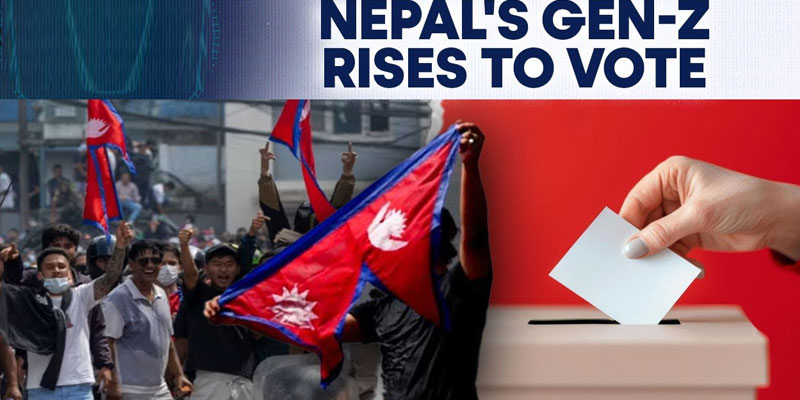
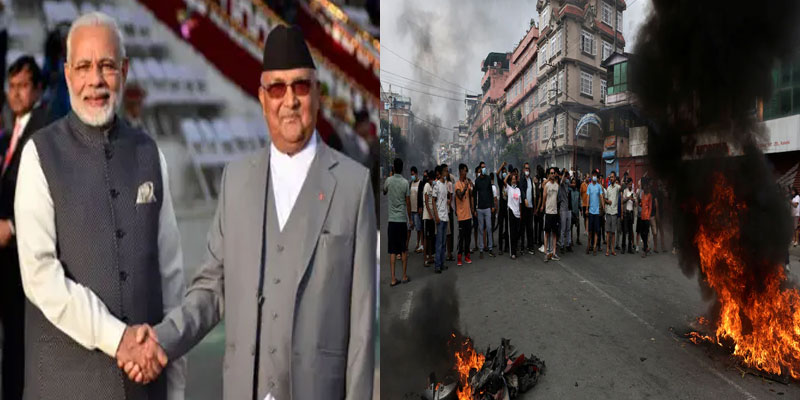
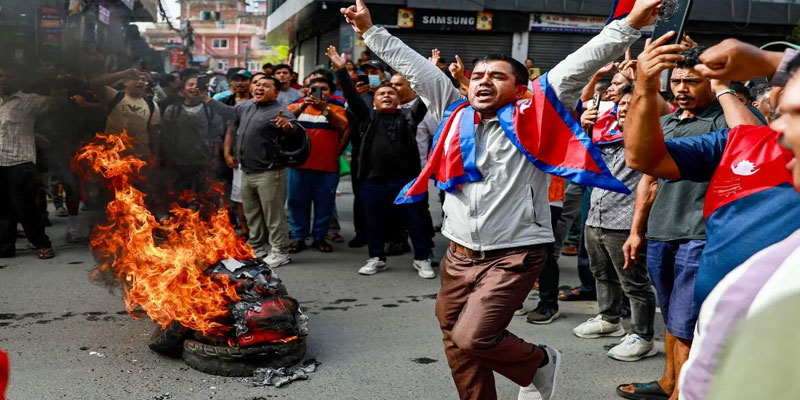
Nepal heads into its March 5, 2026 parliamentary elections under extraordinary circumstances. The vote comes barely six months after massive Gen Z–led protests forced the resignation of Prime Minister KP Sharma Oli in September 2025. The anti-corruption uprising, which left 77 dead, exposed deep frustration with entrenched political elites and ushered in an interim government under former chief justice Sushila Karki.
Now, the first national election since the upheaval has become a referendum not only on governance but on the very direction of Nepal’s republican experiment. Adding a dramatic twist is the re-emergence of Gyanendra Shah, whose unexpected intervention has stirred debate about monarchy, accountability and national identity.
Youth Wave vs. the Old Guard
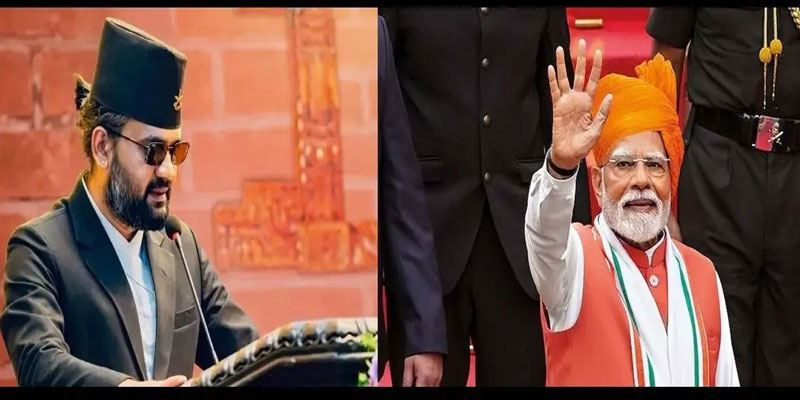
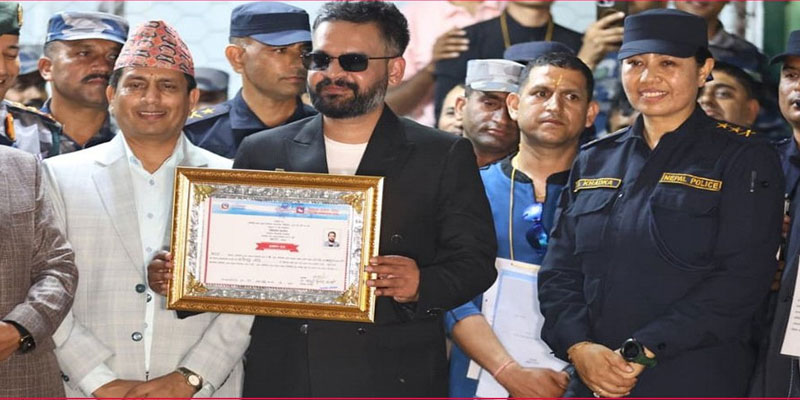
At the heart of the contest is a generational clash. Thirty-five-year-old Kathmandu Mayor Balen Shah, aligned with the reformist Rastriya Swatantra Party (RSP), is challenging Oli in Jhapa-5—an electoral bastion long dominated by Oli’s CPN-UML. Jhapa-5 has returned Oli repeatedly since the early 1990s, and he secured over 52,000 votes there in 2022.
Balen Shah’s appeal rests on outsider credibility. A rapper-turned-politician who rose to prominence through his anti-establishment campaign in Kathmandu, he embodies Gen Z’s impatience with traditional party structures. Nearly 40 percent of Nepal’s electorate is under 40, and youth turnout is projected to cross 70 percent. His rallies—complete with symbolic bells demanding “clean governance”—have gained traction among urban and swing voters disillusioned with stalled development projects and protest crackdowns under Oli’s tenure.
For Oli, the campaign hinges on his record of infrastructure expansion and administrative continuity. Yet unfinished ventures such as the Damak industrial complex and memories of the 2025 unrest weigh heavily on his pitch for stability.
Gyanendra’s Subtle but Strategic Return
The most intriguing variable in this election is the indirect role of former King Gyanendra. Ousted in 2008 after the monarchy was abolished, he has largely remained on the political sidelines—until now.
On February 18, he released a carefully timed video message urging “accountability” and criticizing what he described as cartelized politics. Without endorsing any candidate, he questioned whether elections alone could resolve Nepal’s systemic crises. The message resonated strongly with monarchist sympathizers and sections of youth frustrated with mainstream parties.
Analysts view this as a strategic hedge rather than a full-fledged royal comeback. By framing his appeal around national unity and moral renewal, Gyanendra has revived nostalgia for constitutional monarchy without formally challenging the republic. His intervention appears to bolster reformist and pro-monarchy forces, potentially lifting the RSP’s proportional vote share while subtly undermining the credibility of traditional parties.
Stability, Fragmentation and Regional Stakes
The March 5 vote tests the resilience of Nepal’s post-2008 republican framework. A breakthrough by reformist forces could fragment the 2022 parliamentary arithmetic, forcing another coalition government. Conversely, a victory for Oli would consolidate communist dominance but risk renewed youth discontent.
Regionally, India and China are closely watching. Oli has previously leaned toward Beijing’s Belt and Road initiatives, while reformist figures emphasize pragmatic ties with New Delhi. Political instability in Kathmandu carries implications for cross-border trade, security cooperation and regional balance.
Reform, Revival or Repetition?
Nepal’s election is more than a routine democratic exercise—it is a reckoning with a restless generation and unresolved questions about governance. Gyanendra’s shadow looms not as a direct claimant to power but as a symbol of lingering dissatisfaction with the republic’s performance.
Whether March 5 delivers structural reform or reinforces entrenched politics will depend on youth mobilization and coalition arithmetic. One thing is certain: Nepal’s political landscape is no longer defined solely by its old guard. The streets have spoken, and now the ballot will decide whether that voice reshapes the nation’s future—or merely echoes within it.
(With agency inputs)