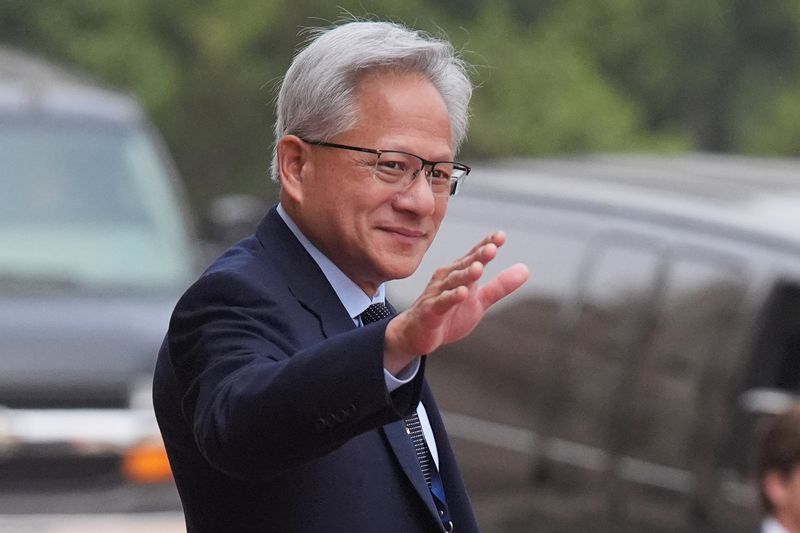
Nvidia co-founder steps down immediately after 33 years; CFO Colette Kress named interim CEO as investigation into alleged Chinese intelligence links intensifies.
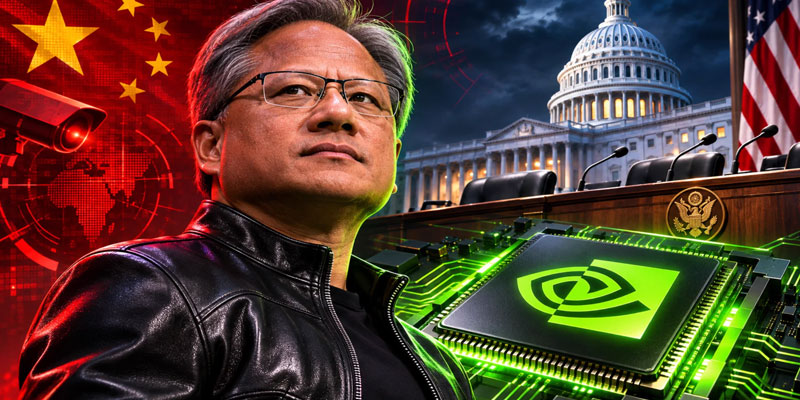
In a dramatic development that could reshape the global artificial intelligence industry, Nvidia co-founder Jensen Huang has resigned as the company's president, chief executive officer and board director with immediate effect on November 12, 2026. The unprecedented leadership change comes amid an escalating controversy involving alleged foreign-intelligence targeting, personal relationships and potential corporate-security concerns. CFO Colette Kress has been appointed interim CEO, while the board begins its search for a permanent successor.
Huang, 63, co-founded Nvidia in 1993 and led its transformation into the world's most valuable chipmaker, making him one of the most influential figures in the global technology industry.
Foreign Intelligence Allegations Trigger Corporate Crisis
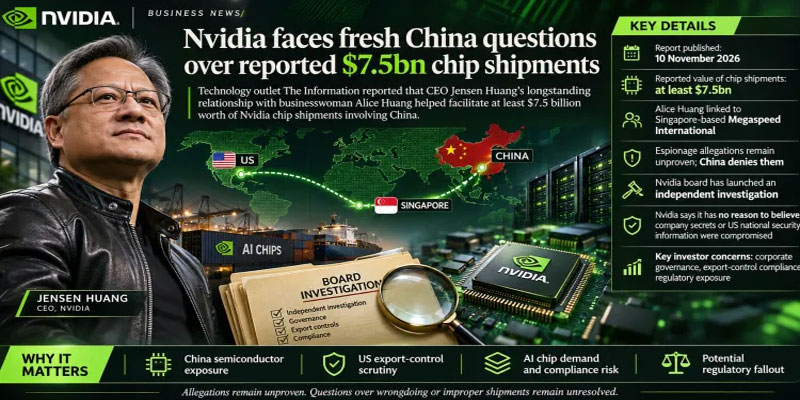
The controversy intensified after reports alleged that Huang had an extramarital relationship with Alice Huang, a former executive at Singapore-based cloud company Megaspeed. US authorities reportedly suspected that she was associated with Chinese intelligence. The two individuals are not related.
Separately, another report alleged that Huang had an affair with Kimberly Powell, Nvidia's vice-president of healthcare, who reported directly to him.
On November 8, Huang publicly apologised for being unfaithful to his wife. However, the controversy escalated beyond personal conduct when concerns emerged about whether his relationships could have exposed the company to foreign-intelligence operations.
Nvidia's board subsequently initiated an independent investigation and appointed former acting US Attorney Joon H. Kim and prominent law firm Wachtell, Lipton, Rosen & Katz to examine the allegations.
Nvidia Clarifies No Confirmed Security Breach
Despite the seriousness of the allegations, Nvidia has not confirmed any compromise of classified information, corporate secrets or US national security. The board had earlier stated that it had no reason to believe such a breach had occurred.
Beijing has also denied allegations that Alice Huang was a Chinese intelligence operative. The claims remain allegations reported by US officials and media, rather than established judicial findings.
Colette Kress Takes Charge Amid Market Turmoil
Kress will assume interim leadership while continuing as executive vice-president and chief financial officer. The board will consider both internal and external candidates for the permanent position.
The announcement triggered a sharp market reaction, with Nvidia shares falling approximately 10%. Reuters reported that the company had lost nearly $300 billion in market value since the investigation was announced on November 8.
The sell-off also affected other AI-linked stocks, reflecting investor concerns about leadership stability and the broader technology sector.
A Leadership Change with Global AI Implications
Huang's departure carries implications far beyond Nvidia. Its graphics processing units (GPUs) remain central to training and operating advanced AI models worldwide.
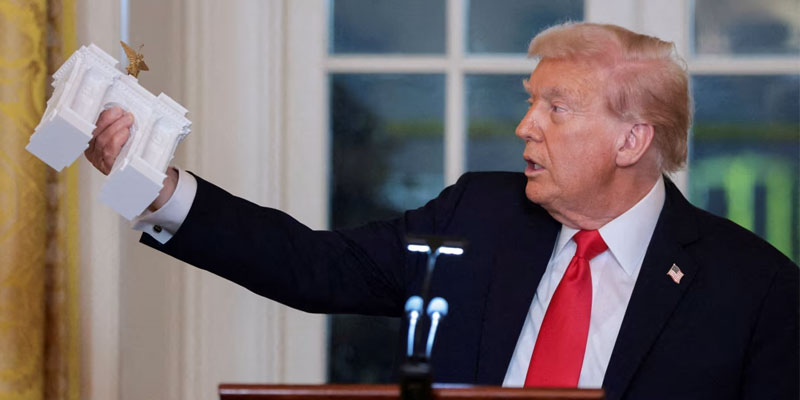
He was also a prominent advocate of maintaining Nvidia's access to the Chinese market and maintained close ties with US President Donald Trump. On November 8, Trump praised Huang's contribution to America and indicated that Huang had told him he was unaware of the woman's alleged intelligence connections.
The Road Ahead: An Uncertain Future
Nvidia now faces three immediate challenges: stabilising investor confidence, completing the independent investigation and ensuring continuity in its technology and business strategy. The board's choice of permanent leadership will be closely watched by global technology companies, governments and investors.
Huang's exit marks the end of a remarkable 33-year leadership era. However, the biggest unanswered question remains whether the alleged foreign-intelligence connections created an actual corporate or national-security vulnerability, or whether the crisis was primarily one of reputation and governance. The investigation's findings could have far-reaching consequences for Nvidia and the future of the global AI industry.