A Tranquil Valley Turned Tragic
April 22, 2025, shattered the calm of Baisaran Valley—nicknamed the "Mini Switzerland of India"—as armed terrorists opened fire on a group of unsuspecting tourists in Pahalgam, Jammu and Kashmir. In what is being called the deadliest terror attack in the region in recent years, 26 people were killed and many others severely injured. As the nation reels from the tragedy, global responses poured in, with the United States extending unequivocal support. President Donald Trump and Vice President JD Vance both expressed solidarity with India, reinforcing the deepening Indo-U.S. alliance in the face of terrorism.
White House Response: Condolences and Commitment
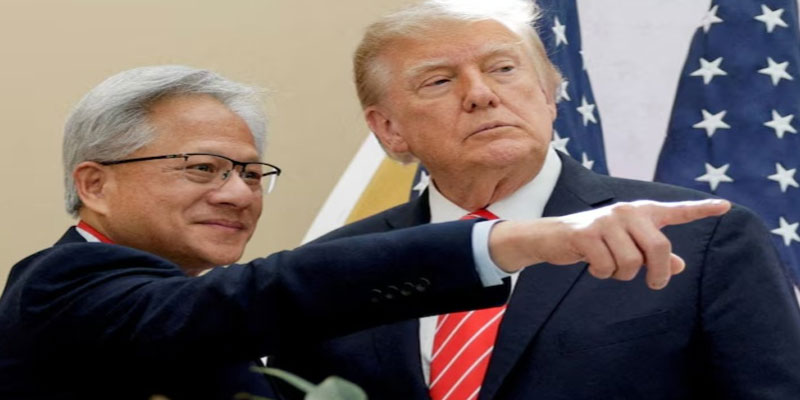
President Donald Trump personally reached out to Prime Minister Narendra Modi, condemning the attack and pledging full U.S. support to bring the perpetrators to justice. According to Ministry of External Affairs spokesperson Randhir Jaiswal, Trump conveyed “his deepest condolences at the loss of innocent lives” and emphasized that “India and the United States stand together in the fight against terror.” The White House later confirmed that Trump had been fully briefed by his National Security Advisor and continues to monitor developments.
White House Press Secretary Karoline Leavitt noted the strategic and emotional weight of the attack, saying, “These types of horrific events by terrorists are why those of us who work for peace and stability in the world, continue our mission.” Trump also shared a heartfelt message on Truth Social, declaring unwavering support for India and offering prayers for the victims and their families.
Vice President JD Vance's On-Ground Solidarity
In an emotionally resonant moment during his diplomatic visit to India, U.S. Vice President JD Vance, accompanied by his wife Usha and their children, expressed deep sorrow over the attack. At the historic Amber Fort in Jaipur, Vance stated, “Our thoughts are with the victims and their families as they mourn this tragic loss. We stand with the people of India during this difficult time.”
Vance's visit, aimed at strengthening Indo-U.S. relations through trade, defense, and regional security dialogues, took on added significance following the attack. His presence in India, coupled with his public condemnation, symbolized not just bilateral camaraderie but also a shared resolve against global terrorism.
The Attack: A Calculated Strike on Peace
The terror attack targeted tourists enjoying the scenic beauty of Baisaran Valley—a symbol of harmony and natural tranquility. Eyewitness accounts describe panic, chaos, and deliberate targeting of victims based on their religion, pointing to a sectarian motive behind the bloodshed.
In immediate response, Indian authorities launched an intensive manhunt. Union Home Minister Amit Shah flew to Srinagar, declaring a large-scale security operation to capture those responsible. “We will not spare those responsible for this heinous act,” Shah asserted.
Prime Minister Modi, addressing the nation, condemned the violence, emphasizing unity and resolve. “The perpetrators of this barbaric act will not go unpunished,” he assured, reinforcing the nation’s stance against terrorism.
A Test of Global Solidarity and Domestic Resolve
The Pahalgam terror attack is more than a domestic tragedy; it is a stark reminder that terrorism remains a global menace demanding international cooperation. The swift and sincere response from U.S. leadership highlights the evolving partnership between India and the United States—a relationship anchored not only in trade and defense but in shared values of peace and democratic resilience.
As India mourns its dead and its security forces intensify operations, the world watches. How India handles this tragedy, and how its allies respond in action—not just words—will shape the contours of future counterterrorism strategies and international diplomacy.
(With inputs from agencies)

Politics