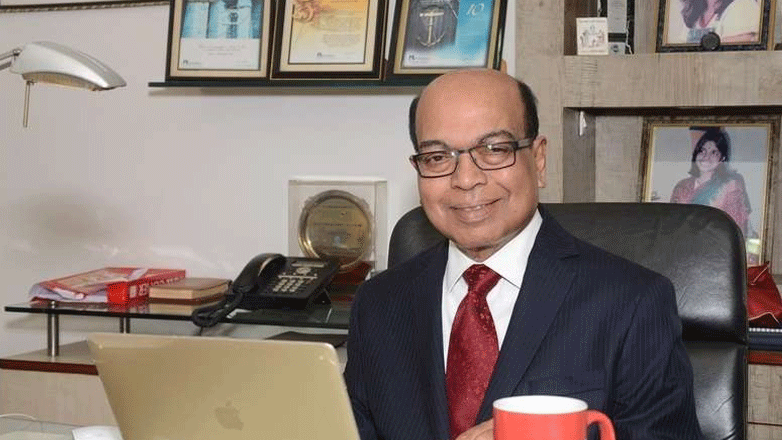
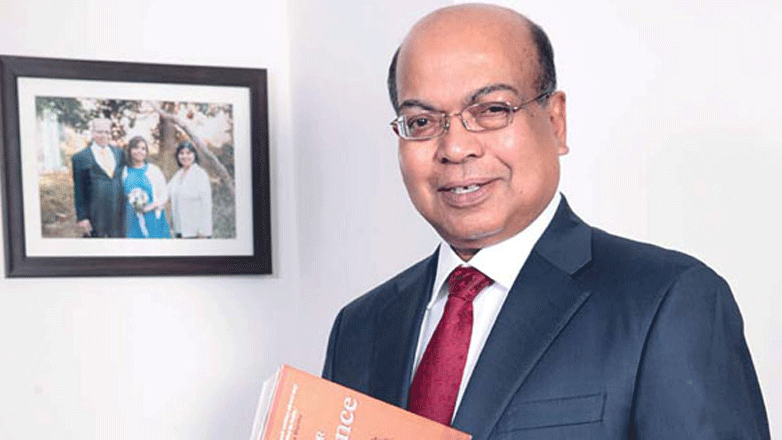
Fifty kilograms of rat poison, 30,000 empty capsules and an alleged plan to target thousands during a Muharram procession have brought one of Mumbai’s most disturbing criminal investigations into focus. Police allege that a Pune-based man, identified as Fayyaz Premji, attempted to distribute capsules laced with zinc phosphide—a highly toxic rat poison—during the Ashura procession in Mumbai’s Byculla area. Investigators claim the capsules were presented as painkillers or immunity boosters to unsuspecting participants. While the allegations are yet to be tested in court, the case has raised serious concerns over the vulnerability of large public gatherings to low-tech but potentially devastating attacks.
What Police Have Alleged
According to the Mumbai Police, Premji had allegedly procured around 50 kg of zinc phosphide and ordered nearly 30,000 empty capsules well before the procession, suggesting extensive preparation. Investigators say around 14,900 poison-filled capsules were recovered during the operation, while some individuals who reportedly consumed the capsules complained of illness, triggering immediate police action.
Police have also claimed that the accused allegedly expressed an intention to kill at least 15,000 people. However, this purported confession remains part of the prosecution’s case and has not been judicially examined.
Why The Alleged Plot Is Significant
If the allegations are substantiated, the case points to a carefully planned attempt at mass harm rather than an impulsive criminal act. Unlike conventional attacks, the alleged use of poison disguised as harmless medication represents a concealed method capable of causing widespread casualties before authorities detect the threat.
Targeting a Muharram procession would have further amplified the potential impact. Such events attract large crowds, making it difficult to immediately identify symptoms of poisoning, while panic in densely packed gatherings can complicate emergency response efforts.
Background And Security Concerns
Security experts have long warned that readily available industrial chemicals can be repurposed for malicious purposes. Zinc phosphide, commonly used as rat poison, becomes highly toxic when ingested, making it a dangerous substance if misused.
The case also highlights the challenges faced by law enforcement in securing large religious gatherings without disrupting public participation. It reinforces the need for vigilance not only by police personnel but also by volunteers and community members, who reportedly first questioned the accused before police intervened.
Latest Investigation Updates
The investigation is now focused on determining how the accused obtained the poison, whether he acted independently, and if any accomplices were involved. Police are also examining reports that he operated a paint business, which may have facilitated access to industrial chemicals.
Investigators are further verifying claims regarding his foreign travel and possible wider connections. As of now, however, no confirmed evidence has publicly established links to any larger network, and these aspects remain under investigation.
A wake-up call for public security
Beyond the sensational allegations, the Mumbai Muharram poisoning case underscores evolving security risks posed by inexpensive, easily concealed methods of attack. Whether the prosecution ultimately proves every allegation in court, the incident serves as a reminder that public safety increasingly depends on intelligence gathering, vigilant communities and rapid police intervention. It also demonstrates how an ordinary-looking object can become a deadly weapon, reinforcing the importance of preparedness against unconventional threats in crowded civic and religious spaces.
(With agency inputs)