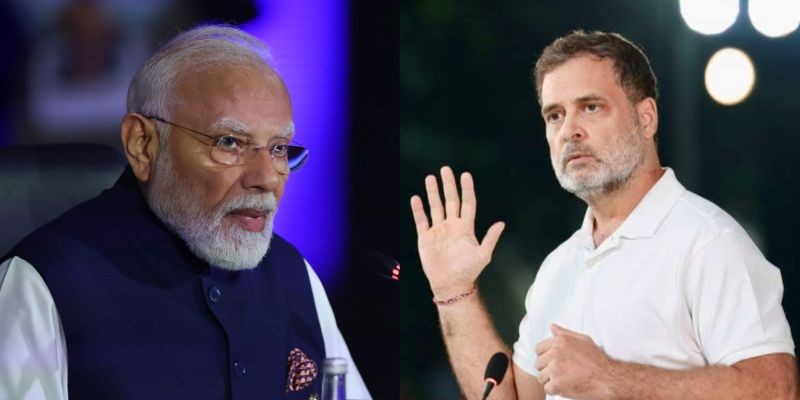
Rahul Calls India Geopolitical Side Player, BJP Hits Back
Congress leader Rahul Gandhi has triggered a fresh political confrontation by describing India as a “side player” in global geopolitics, questioning why Pakistan is reportedly participating in US-Iran diplomatic negotiations while New Delhi remains outside the discussions. The BJP has launched a sharp counterattack, branding him a “Pak fanboy” and accusing him of undermining India's international standing. The exchange has escalated following the Trump-Xi-Putin trilateral summit in Shenzhen, turning India's foreign-policy positioning into another major flashpoint between the Congress and the ruling party.
Rahul Gandhi Questions India's Global Influence
Speaking to students at the University of Chicago on November 19, 2026, Gandhi argued that India possesses considerable geopolitical understanding but is not exercising its potential influence in international affairs. He questioned why Pakistan was reportedly involved in high-level discussions between Washington and Tehran while India appeared to be watching from the sidelines.
He also criticised excessive dependence on personal relationships between world leaders, arguing that international diplomacy should be driven by economic interests, strategic considerations and institutional partnerships rather than individual friendships.
'Compromised PM' Remark Intensifies Controversy
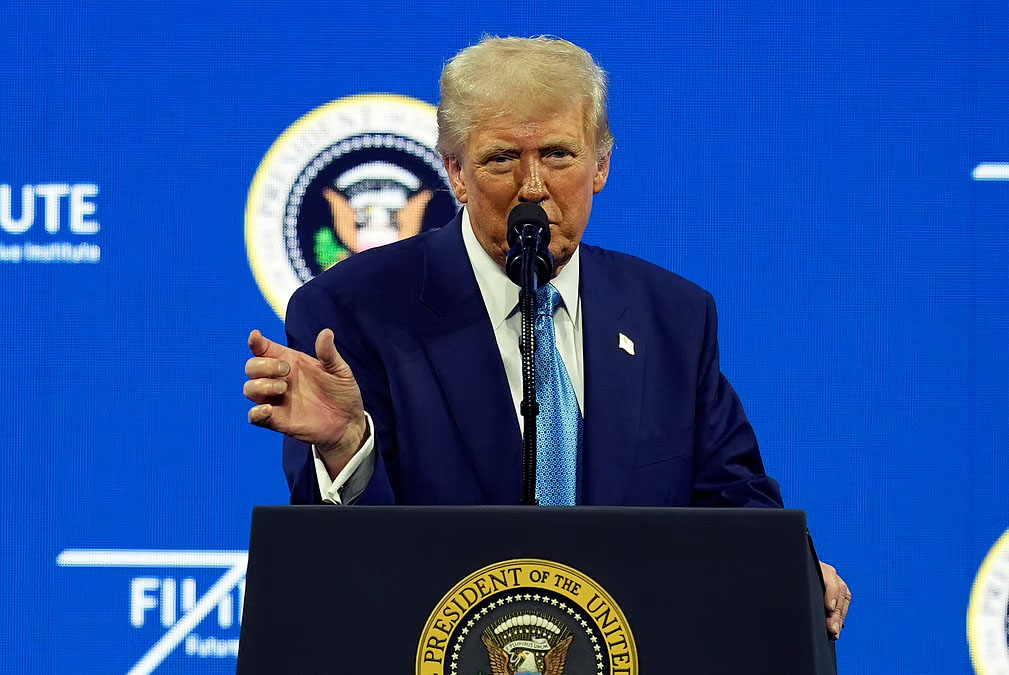
The political confrontation intensified after the Trump-Xi-Putin meeting in Shenzhen. Reacting to the summit, Gandhi posted on X that an Indian Prime Minister under Congress rule would have been sitting at the negotiating table.
Gandhi sought to portray the absence as evidence of India's declining diplomatic influence, questioning the government's ability to secure a meaningful position in emerging global negotiations.
BJP's 'Pak Fanboy' Counterattack
The BJP responded aggressively, with spokesperson Pradeep Bhandari calling Gandhi a “Pak fanboy” and accusing him of being obsessed with Pakistan. The party alleged that his remarks amounted to pro-Pakistan propaganda and were damaging India's international image. The BJP also defended Modi's foreign policy, citing India's growing participation in BRICS and other multilateral forums as evidence of its expanding global influence.
Congress-Era Decisions Become Political Ammunition
The BJP also invoked historical Congress governments' dealings with Pakistan, particularly the release of Pakistani prisoners of war following the 1971 conflict and the 2009 Sharm el-Sheikh joint statement.
These references were intended to challenge Gandhi's criticism by questioning the Congress's own foreign-policy record.
India's Global Standing Becomes Political Battleground
The confrontation reflects a deeper ideological divide over India's geopolitical ambitions. While Gandhi questions India's diplomatic visibility, the BJP maintains that Modi has strengthened its international standing. Ultimately, India's influence must be judged not by summit photographs or political rhetoric, but by its ability to shape global decisions, protect strategic interests and deliver tangible diplomatic outcomes.
(With agency inputs)