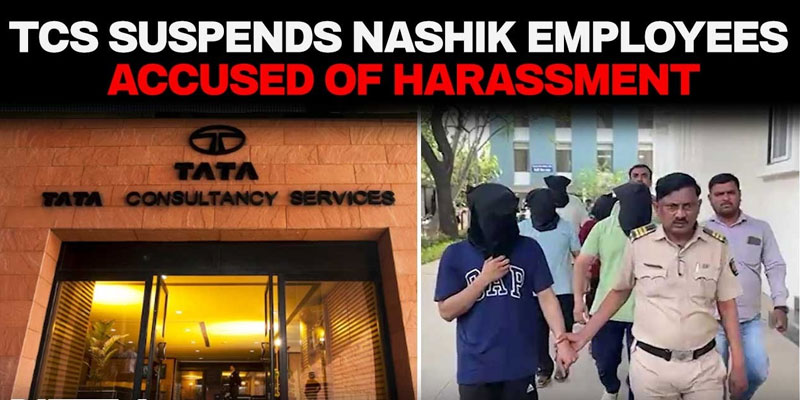
At Tata Consultancy Services’ Nashik BPO unit, a disturbing pattern of neglect has come to light—over 70 emails, chats, and calls detailing harassment complaints were allegedly ignored by HR over four years. What began as isolated allegations has now exploded into a full-blown scandal, raising serious questions about workplace safety, accountability, and the effectiveness of internal grievance mechanisms.
The Allegations: A Pattern of Abuse
The case surfaced in late March 2026 when eight women employees accused senior colleagues of sustained sexual harassment and coercion between February 2022 and March 2026. The complaints describe a systematic pattern: vulnerable recruits were allegedly targeted, isolated, and subjected to harassment, including inappropriate advances and, in some cases, religious coercion.
Police registered nine FIRs—eight by women and one by a male complainant—indicating that the issue extended beyond isolated incidents. Investigators have described the situation as an “organized racket,” suggesting coordinated misconduct within the workplace.
HR Under Scrutiny: Ignored Warnings and Institutional Failure
The most alarming aspect of the case is the alleged inaction by HR. A Special Investigation Team (SIT) found that more than 70 complaints—via emails, internal chats, and phone calls—were not escalated.
HR Manager Nida Khan, who was also part of the Internal Complaints Committee under POSH (Prevention of Sexual Harassment) guidelines, has been accused of dismissing complaints and discouraging victims. Reports suggest she downplayed incidents with remarks implying normalization of misconduct, while allegedly siding with the accused.
This failure strikes at the heart of corporate compliance systems. The POSH framework, designed to protect employees, appears to have been bypassed entirely—forcing victims to seek legal recourse outside the organization.
Arrests and Ongoing Investigation
By mid-April, authorities had arrested multiple individuals, including team leaders and senior staff, while others remain under investigation. Key accused persons, including HR officials, face charges related to harassment, intimidation, and criminal conspiracy.
The SIT has recovered extensive digital evidence, including dozens of emails and chat records, which point toward a coordinated effort to suppress complaints. Investigators are also examining financial transactions and potential external links, widening the scope of the probe.
Meanwhile, some accused individuals have been dismissed, and legal proceedings—including bail hearings—are underway, ensuring continued judicial scrutiny.
Corporate Response and Political Fallout
TCS has responded by suspending implicated employees, initiating an internal inquiry, and shifting Nashik operations to a work-from-home model. The company has reiterated its zero-tolerance stance on harassment, though critics argue that such assurances ring hollow given the scale of alleged negligence.
The incident has also triggered political and regulatory attention. Authorities are considering broader audits of workplace safety compliance, particularly in sectors employing large numbers of women.
A Wake-Up Call for Corporate India
The TCS Nashik case is more than an isolated scandal—it is a stark reminder of systemic gaps in workplace safety and accountability. When internal mechanisms fail, the consequences extend beyond individuals, eroding trust in institutions and corporate governance.
For India’s vast IT workforce, especially its growing number of women employees, this episode underscores the urgent need for stronger enforcement of safeguards, independent oversight, and a culture that prioritizes employee dignity over reputational risk. Real reform will depend not just on policy, but on accountability at every level.
(With agency inputs)