India’s Military Mobilization Follows Deadly Terror Strike
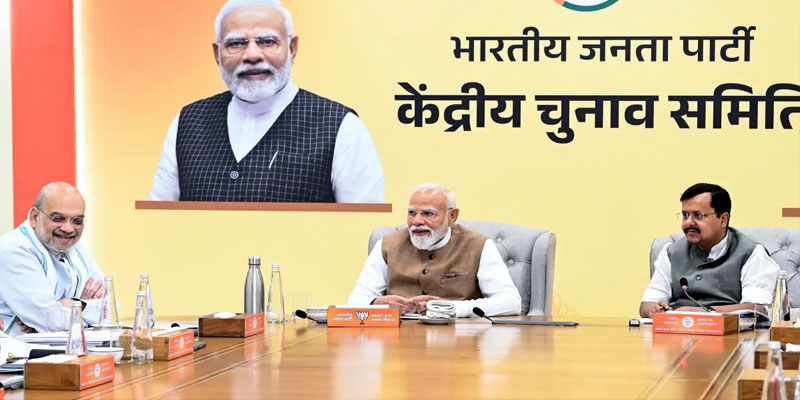
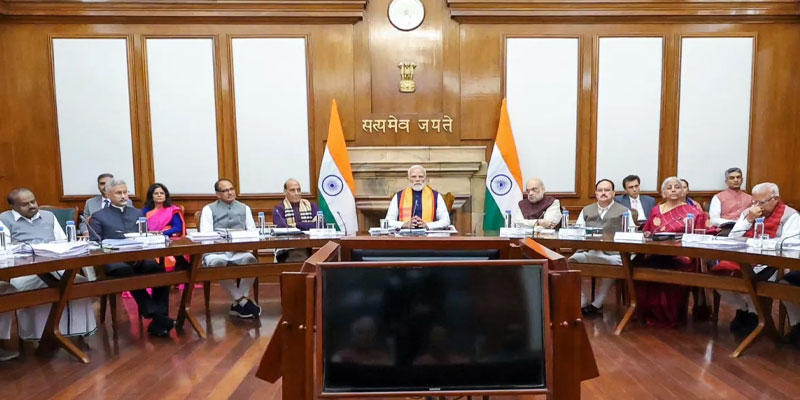
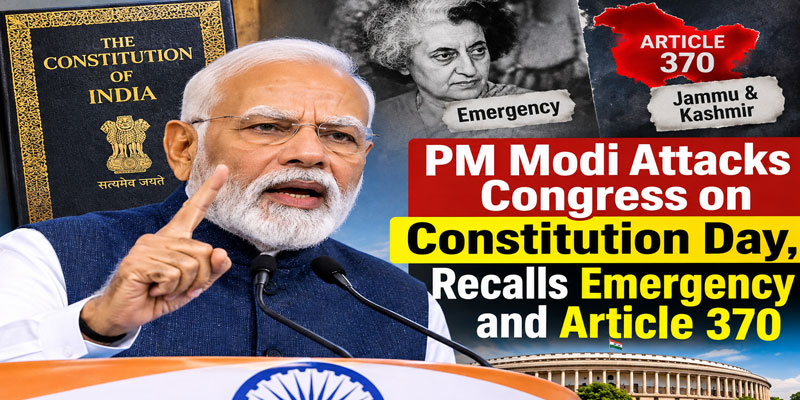
On Tuesday, April 29, 2025, Indian Prime Minister Narendra Modi convened a high-level meeting with defense officials in New Delhi following last week's deadly terror attack in Pahalgam, Jammu and Kashmir. The attack claimed the lives of 26 civilians and has since fueled a rapid escalation in regional tensions between India and Pakistan.
In response to the atrocity, reportedly carried out by terrorists based in Pakistan, PM Modi granted the Indian armed forces full operational freedom to determine how and when to retaliate. This green light comes amid rising calls within India for strong action and accountability, both against the perpetrators and their alleged sponsors across the border.
Pakistan Alleges Indian Aggression Is Based on 'False Pretexts'
Just a day later, on April 30, Pakistan’s Information Minister Attaullah Tarar announced that Islamabad possesses “credible intelligence” indicating that India is preparing to initiate a military strike within the next 24 to 36 hours. He described the anticipated Indian action as one based on “baseless and fabricated allegations” linking Pakistan to the Pahalgam attack.
In a statement posted on X (formerly Twitter), Tarar cautioned that any such action would be met with “assured and decisive” retaliation. He stressed that Pakistan rejects the accusations, asserting that it had instead offered an “independent and neutral investigation” into the incident—an offer which he claims India declined in favor of military escalation.
Historical Patterns Undermine Pakistan’s Credibility
While Pakistan insists on its innocence and positions itself as a victim of terrorism, its credibility remains severely undermined by its historical entanglements with extremist groups. This perception was further cemented by recent remarks from Pakistan’s Defence Minister Khawaja Asif in a Sky News interview, where he admitted that Pakistan had supported terrorist groups as part of geopolitical strategies aligned with Western interests for decades.
“We have been doing this dirty work for the United States and the West, including Britain, for about three decades,” Asif confessed, fueling India’s narrative that Pakistan continues to harbor and sponsor terrorism under the guise of strategic depth.
Escalation Along the Line of Control
Meanwhile, the situation on the ground has grown increasingly volatile. Cross-border firing along the Line of Control (LoC) in Jammu and Kashmir has entered its sixth consecutive day, with Indian forces issuing what officials termed a “proportionate” response to unprovoked Pakistani aggression. Skirmishes have been reported in the Rajouri, Jammu, Baramulla, and Kupwara sectors.
These military exchanges, though limited in scope, reflect the mounting friction between the nuclear-armed neighbors and underscore the broader regional implications of the Pahalgam incident.
Strategic Calculations and Global Stakes
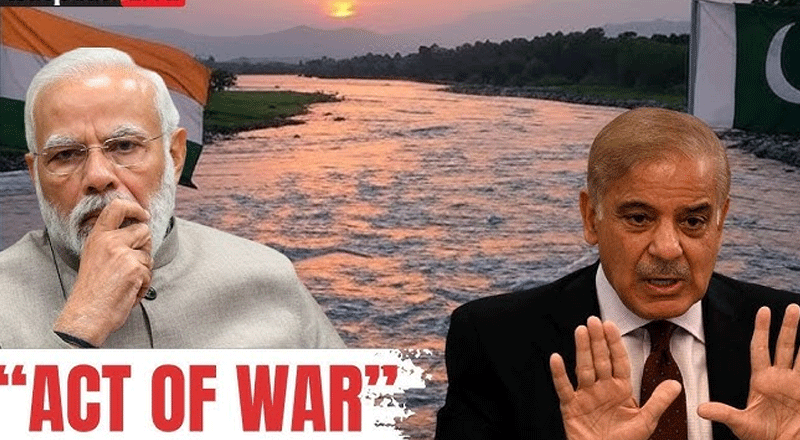
India’s diplomatic response has been swift and severe. New Delhi has expelled Pakistani military attachés, revoked visas for Pakistani nationals, and suspended key agreements such as the Indus Waters Treaty. These measures signify that India is not treating this attack as an isolated act of terrorism but as part of a broader state-sponsored pattern—a pattern it seeks to dismantle decisively.
While Pakistan appeals to the international community for restraint, its internal contradictions and historical duplicity complicate its diplomatic position. The world now watches closely, wary of a potential flashpoint that could spiral beyond control.
A Crisis at the Crossroads of Action and Accountability
At the heart of the current crisis lies a familiar question: how should sovereign nations respond to terrorism when it is allegedly backed by another state? India’s anticipated military action appears to be a message that impunity is no longer an option. However, the risks of escalation between two nuclear powers cannot be overstated.
Both nations stand at a critical juncture—where decisions made in the next 36 hours could reshape South Asian security dynamics for years to come. As global powers urge restraint, the region awaits either a step toward justice or a plunge into deeper instability.
(With inputs from agencies)
Politics